

The Life and Works of Alfons Mucha: A Pioneer of Art Nouveau in the Czech Republic
Alfons Mucha, born in 1860 in the small town of Ivancice, Czech Republic, was a pioneer of Art Nouveau. His remarkable talent and artistic vision set him apart from his contemporaries, making him one of the most influential figures in Czech art history. Mucha’s journey as an artist began at a young age when he showed a keen interest in the arts, particularly drawing and painting. His undeniable talent soon caught the attention of local mentors and art schools, propelling him on a path towards creativity and innovation.
Throughout his prolific career, Mucha transformed the art scene in the Czech Republic and beyond. His distinct style, characterized by intricate line work, lush colors, and graceful female figures, became synonymous with the Art Nouveau movement. Mucha’s masterpieces encompassed a wide range of mediums, including painting, illustration, sculpture, and graphic design. His iconic works such as “The Slav Epic” and the series of decorative panels known as “The Seasons” showcased his ability to capture the essence of the human spirit and the beauty of nature. Mucha’s contributions to the world of art continue to inspire and influence artists to this day.


The Artistic Journey of Alfons Mucha: From Painter to Icon
In the late 19th century, Alfons Mucha emerged as a prominent figure in the art world, leaving an indelible mark on the Art Nouveau movement. Born in 1860 in the then Austro-Hungarian Empire, Mucha initially pursued a career in theatrical decoration and design. His prodigious talent soon caught the attention of Count Karl Khuen-Belasi, who sponsored Mucha’s formal art education in Munich and then in Paris.
It was in the vibrant city of Paris where Mucha truly found his artistic voice. Inspired by the beauty of the blossoming Art Nouveau movement, he seamlessly integrated elements of nature, myth, and spirituality into his works. Mucha’s distinctive style, characterized by intricate details, sinuous lines, and ethereal colors, quickly captivated the imagination of art enthusiasts. His opulent decorative panels and posters, featuring iconic female figures adorned with flowers and ornate motifs, became synonymous with the Art Nouveau movement and propelled Mucha into international recognition and acclaim.
The Birth of Art Nouveau: Exploring the Influences on Mucha’s Style
Art Nouveau, a revolutionary art movement that swept across Europe in the late 19th century, emerged as a response to the rapid industrialization and mass production of the era. Alfons Mucha, a Czech artist, played a pivotal role in the birth of this artistic style. Influenced by a variety of sources, including Japanese woodblock prints, the Arts and Crafts movement, and the decorative arts of the Rococo period, Mucha developed a unique and distinctive aesthetic that would become synonymous with Art Nouveau.
In his work, Mucha incorporated the flowing lines, organic forms, and intricate details characteristic of the Art Nouveau style. Inspired by the sinuous curves of nature, his compositions often featured delicate flowers, graceful female figures, and ornamental motifs. Mucha also drew inspiration from the concept of Gesamtkunstwerk, or total work of art, which sought to integrate various artistic disciplines into one cohesive piece. This approach is evident in his iconic posters, where typography, illustration, and decorative elements seamlessly fuse together to create visually stunning and harmonious compositions. By merging these influences and techniques, Mucha established himself as a trailblazer of Art Nouveau, setting the stage for a new era of artistic expression.
Mucha’s Impact on Czech Art and Culture: A Time of Renaissance
During the late 19th and early 20th centuries, the Czech Republic experienced a cultural renaissance, largely thanks to the profound impact of Alfons Mucha on its art and culture. Mucha’s innovative and distinctive style, characterized by its intricate ornamental details and harmonious colors, breathed new life into Czech artistic traditions. His artistry became a symbol of national identity and played a vital role in shaping the country’s cultural landscape.
By embracing the Czech Art Nouveau movement, Mucha not only revived traditional Czech decorative arts but also brought them international recognition. He showcased the rich folklore, history, and mythology of the Czech Republic through his exquisite paintings and decorative arts, captivating audiences both at home and abroad. Moreover, Mucha’s dedication to elevating the status of art as a means of cultural expression inspired other Czech artists to explore and embrace their unique heritage, ultimately leading to a flourishing creative scene in the Czech Republic.
The Symbolism in Mucha’s Art: Decoding the Hidden Meanings
Mucha’s art is steeped in symbolism, with every element carefully chosen to convey deeper meanings and messages. Through his use of symbols, Mucha sought to evoke emotions, explore philosophical concepts, and celebrate the spirituality of life. One of the most prominent symbols found in Mucha’s art is that of the female figure. Often depicted as ethereal and graceful, these women symbolize beauty, elegance, and idealized femininity. They represent the embodiment of nature, fertility, and the celestial realms. In Mucha’s works, these women are both mysterious and alluring, inviting the viewer to contemplate the deeper meaning behind their presence.
Another notable symbol frequently seen in Mucha’s art is that of flowers and plants. These symbols symbolize the interconnectedness of nature and humanity. Mucha often depicted flowers as intricate and delicate, emphasizing their fragility and transience. These floral motifs not only add aesthetic beauty to his art but also serve as a reminder of the fleeting nature of life and the impermanence of all things. They represent the cycle of birth, growth, decay, and rebirth, echoing the broader themes of nature and spirituality that permeate Mucha’s work. By including these symbols, Mucha invites viewers to reflect on the ephemeral nature of existence and contemplate the deeper mysteries of life.
The Mucha Museum in Prague: A Glimpse into the Artist’s World
Nestled in the heart of Prague, the Mucha Museum offers visitors a rare opportunity to step into the vibrant and enchanting world of Czech artist Alfons Mucha. Located in the picturesque Kaunický Palace, the museum is dedicated to preserving and showcasing Mucha’s iconic Art Nouveau masterpieces. From his mesmerizing paintings to his revolutionary poster designs, the museum provides a comprehensive look into the artist’s life and works.
As visitors enter the museum, they are greeted by an immersive experience that brings Mucha’s artistic journey to life. The exhibition halls are adorned with a rich display of his intricate works, featuring his signature style characterized by flowing lines, delicate pastel colors, and exquisite attention to detail. The museum’s carefully curated collection includes iconic pieces such as “The Slav Epic” and “The Four Seasons,” allowing visitors to fully appreciate Mucha’s artistic brilliance. Additionally, the museum offers fascinating insights into Mucha’s creative process through the display of his sketches, studies, and personal belongings, providing a deeper understanding of the artist’s vision and inspirations.
The Legacy of Mucha’s Posters: Revolutionizing Advertising in the Czech Republic
Alfons Mucha’s posters have left an indelible mark on the advertising industry in the Czech Republic. Their distinctive style, characterized by intricate decorative elements and graceful figures, revolutionized the way products and events were promoted during the Art Nouveau period. Mucha’s ability to seamlessly blend art and commerce resulted in visually captivating advertising campaigns that captivated audiences and elevated the status of advertising as a legitimate art form.
The impact of Mucha’s posters cannot be overstated. His mastery of composition, typography, and color created a new visual language that spoke directly to consumers. The posters became sought-after collectibles, with people eagerly anticipating the release of each new creation. Mucha’s innovative approach to advertising not only revitalized the design industry but also provided a platform for Czech artists to express their creativity and skills in a commercial setting. Today, Mucha’s posters continue to be cherished as iconic symbols of the Czech Republic’s artistic heritage, making an enduring impact on both advertising and the wider realm of art.

The Influence of Mucha’s Style on Contemporary Czech Artists
Mucha’s distinct style and artistic vision continue to inspire and influence contemporary Czech artists. From his use of intricate patterns and elaborate ornamentation to his ability to seamlessly blend different artistic disciplines, Mucha’s aesthetics have left an indelible mark on the art scene in the Czech Republic.
Many artists today draw inspiration from Mucha’s emphasis on capturing the beauty and essence of the female form. The fluidity of his lines and the ethereal quality of his subjects’ faces have become trademarks of Mucha’s style, and can be seen echoed in the works of countless painters and sculptors across the country. Additionally, Mucha’s use of vibrant, rich colors and his incorporation of natural elements, such as flowers and tendrils, into his compositions have also become hallmarks of contemporary Czech art. These elements not only pay homage to Mucha’s influence, but they also serve as a way for artists to connect with their cultural heritage and express their own artistic identities.
The Restoration and Preservation of Mucha’s Artworks: Ensuring His Legacy
The restoration and preservation of Alfons Mucha’s artworks is of utmost importance to ensure the lasting legacy of this renowned artist. Over the years, Mucha’s masterpieces have faced the natural wear and tear that comes with the passage of time. However, dedicated teams of art conservators and experts have made it their mission to meticulously restore and preserve these valuable artworks.
The restoration process involves a combination of scientific analysis, historical research, and skilled craftsmanship. Conservators carefully examine each artwork, studying the materials used, the painter’s techniques, and any damages or alterations that may have occurred over time. They employ specialized tools and techniques to remove dirt, grime, and varnish layers, revealing the original vibrancy and colors of Mucha’s paintings. Through delicate repair and retouching work, they ensure that any structural damage is restored and that the artwork appears as close to its original state as possible, without compromising its integrity.
The preservation of Mucha’s artworks extends beyond the restoration process. Proper storage and display are crucial for safeguarding these valuable pieces for future generations. Museums, galleries, and private collectors employ strict environmental controls, including temperature, humidity, and lighting, to prevent deterioration and damage. Additionally, protective frames, archival materials, and secure transportation methods are utilized to enhance the longevity of Mucha’s art. Through these efforts, the artistic brilliance and cultural significance of Mucha’s works are preserved, allowing audiences around the world to experience the beauty and innovation of this visionary artist.
Celebrating Mucha: Exhibitions and Events Honoring the Czech Republic’s Art Nouveau Master
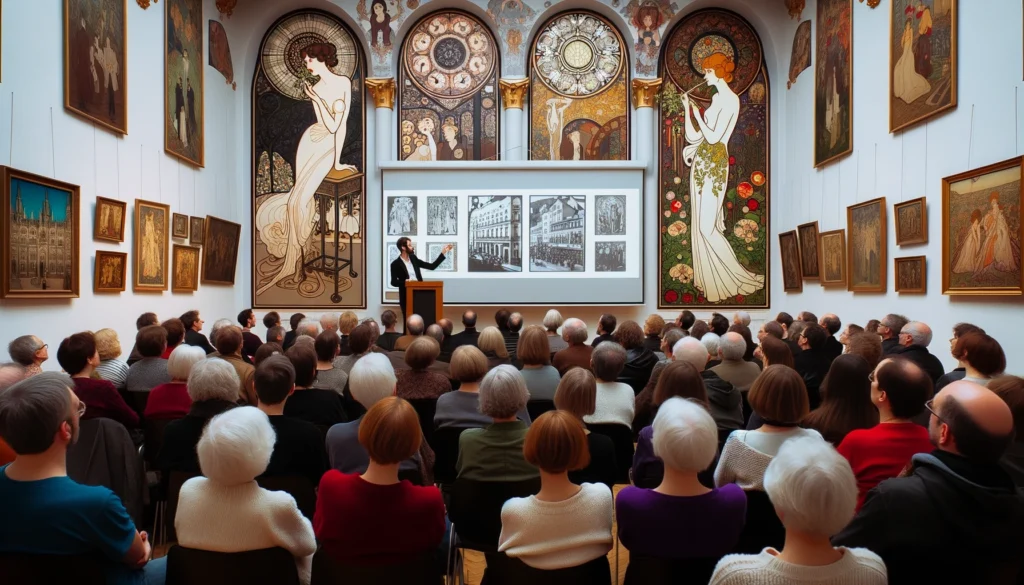
Alfons Mucha, the Czech Republic’s celebrated Art Nouveau master, continues to captivate art enthusiasts and historians alike with his intricate and symbolic works. As his influence spans generations, it is no surprise that exhibitions and events dedicated to honoring Mucha’s legacy are frequently held within the Czech Republic. These events serve as a testament to the enduring impact of his art and provide a platform for appreciating his unique artistic contributions.
One such notable exhibition is “Mucha: Master of Art Nouveau,” which showcases a vast collection of Mucha’s works, including his iconic posters, paintings, and decorative arts. Set against the backdrop of the Mucha Museum in Prague, this exhibition offers visitors a comprehensive journey through Mucha’s artistic evolution and allows them to delve into the rich tapestry of his creative mind. Through meticulously curated displays and informative presentations, “Mucha: Master of Art Nouveau” pays homage to the masterful techniques and visionary concepts that defined Mucha’s artistic legacy.
Another significant event celebrating Mucha’s artwork is the annual “Mucha Festival,” held in the town of Ivančice. This vibrant festival transforms the town into a living homage to Mucha, where the streets come alive with exhibitions, workshops, and performances inspired by his renowned works. Artists, scholars, and enthusiasts from around the world gather to immerse themselves in the Art Nouveau atmosphere and pay homage to Mucha’s visionary contributions. The “Mucha Festival” serves as a joyous celebration of Mucha’s art and an opportunity for visitors to engage with his iconic style in a dynamic and immersive way.