

Introduction
In recent years, the global automotive industry has witnessed rapid transformation, primarily driven by the rise of electric vehicles (EVs). While many European countries have positioned themselves as frontrunners in green mobility, a new player has emerged as a dominant force — China. China’s ambitious strategy of producing and exporting electric vehicles, often backed by government subsidies, has begun to reshape the dynamics of the European automotive industry.
The growing influx of Chinese EVs into the European market, particularly between 2013 and 2023, has generated much debate. This article explores the factors behind this surge, its short-term and long-term effects on the European car industry, and the broader socio-economic impacts this may bring.

The Rise of Chinese Electric Vehicles
The Chinese Expansion Strategy
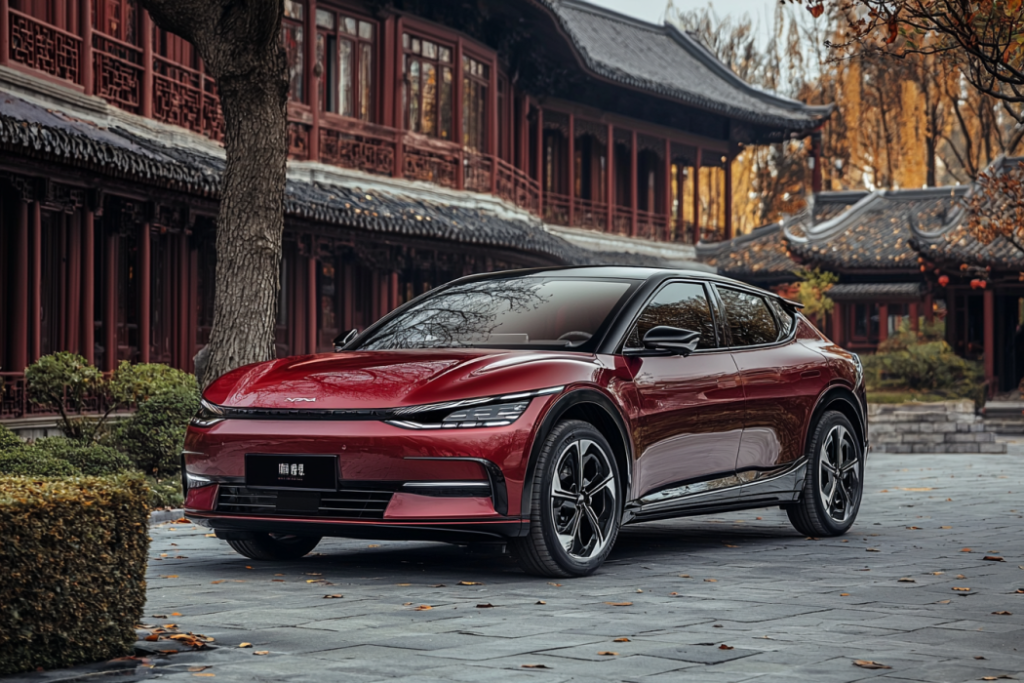
China’s automotive industry has experienced exponential growth in the last decade. Once known primarily for producing low-cost conventional vehicles, China shifted its focus towards EVs, driven by an aggressive governmental push for innovation and environmental sustainability. The Chinese government’s support, through extensive subsidies and grants to local manufacturers, has been a significant factor in China becoming the world’s largest EV producer.
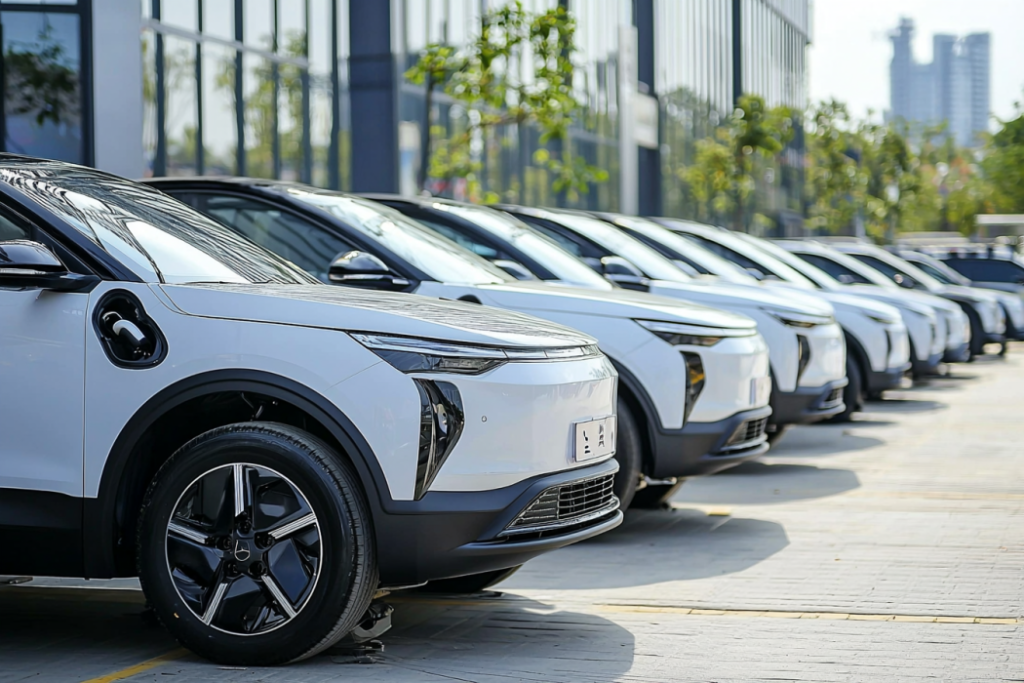
As environmental concerns become more pressing, Europe’s stringent emissions regulations have forced automakers to prioritize EV production. However, European manufacturers have struggled with production costs, technological development, and scaling the production of EVs as fast as their Chinese counterparts. China’s relatively low production costs, thanks to cheaper labor and massive economies of scale, have allowed it to flood the European market with affordable, quality electric vehicles. By 2023, Chinese-made EVs accounted for a significant portion of all electric vehicle imports to the EU, raising concerns among European automakers.
Key Factors Behind the Import Boom
Government Subsidies and Economic Strategy
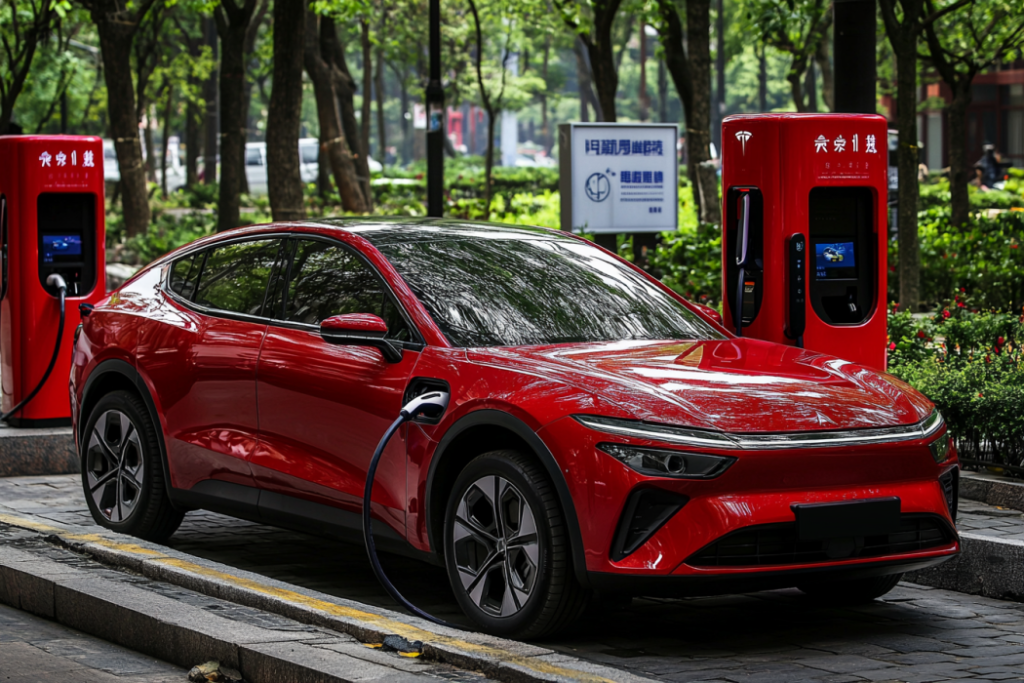
One of the key driving factors for the increasing presence of Chinese EVs in the European market is the large subsidies provided by the Chinese government. These subsidies have allowed Chinese manufacturers to reduce production costs and sell their vehicles at competitive prices. These incentives come as part of China’s broader plan to dominate the EV sector, aligning with its “Made in China 2025” strategy, which aims to make China a leader in high-tech industries, including EV production.
On the other hand, European governments, while providing incentives to local buyers, have struggled to offer substantial subsidies to manufacturers, putting European automakers at a cost disadvantage. For example, leading European manufacturers like Volkswagen, BMW, and Renault have expressed concerns about maintaining profitability while keeping up with Chinese competitors in terms of affordability and technological advances.
Lower Production Costs in China
Another critical factor that explains the success of Chinese EV imports is the significantly lower production costs in China. From cheaper raw materials to more affordable labor, China’s manufacturing sector operates at a lower cost base compared to Europe. Coupled with state support and a robust supply chain, Chinese EVs can be sold in Europe at prices that often undercut local manufacturers.
Consumer Demand for Affordable EVs
As the demand for electric vehicles surged in Europe due to the growing awareness of climate change and government policies aimed at reducing carbon emissions, European consumers have been on the lookout for more affordable options. Chinese EV brands have capitalized on this demand by offering electric vehicles that are both budget-friendly and equipped with competitive technology. Chinese EV brands such as NIO, BYD, and MG have quickly gained traction among price-conscious consumers.
Short-Term Effects on the European Automotive Industry
A Shift in Market Dynamics
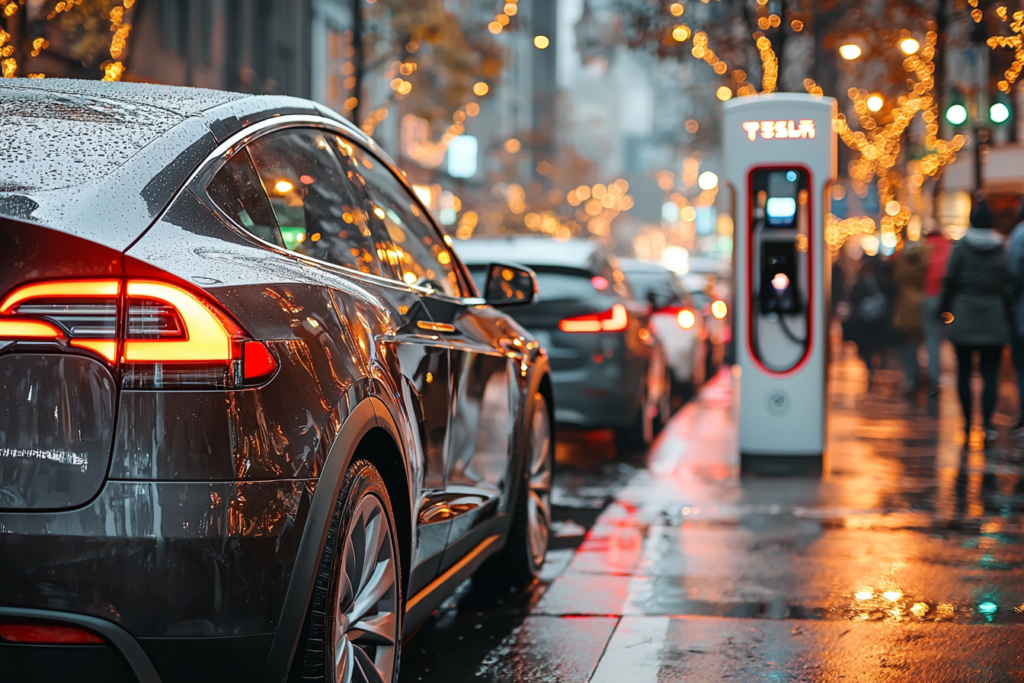
The immediate effects of Chinese EV imports on the European automotive sector have been a reshuffling of market shares and increased competition for traditional European manufacturers. In the short term, the sales and profitability of European automakers, particularly those producing mid-tier vehicles, have been negatively impacted.
Many European carmakers have reported declining market shares as Chinese imports, especially in the EV segment, continue to rise. The affordability and technological prowess of Chinese models are drawing away potential European customers who may have otherwise bought from local brands.
Pressure on Local Manufacturers
In response to the surge in Chinese imports, European manufacturers are feeling the pressure to accelerate their transition towards electric vehicle production while maintaining profitability. Companies like Volkswagen, BMW, and Stellantis have been forced to re-strategize, leading to increased investments in research and development, particularly in battery technology, which is central to the EV market. European manufacturers are also exploring partnerships and joint ventures with Asian companies to share production costs and expertise, especially in battery manufacturing.
However, despite these efforts, European companies have found it challenging to match the scale and speed of Chinese manufacturers.
Long-Term Prospects: Challenges and Opportunities
Improving Efficiency and Competitiveness
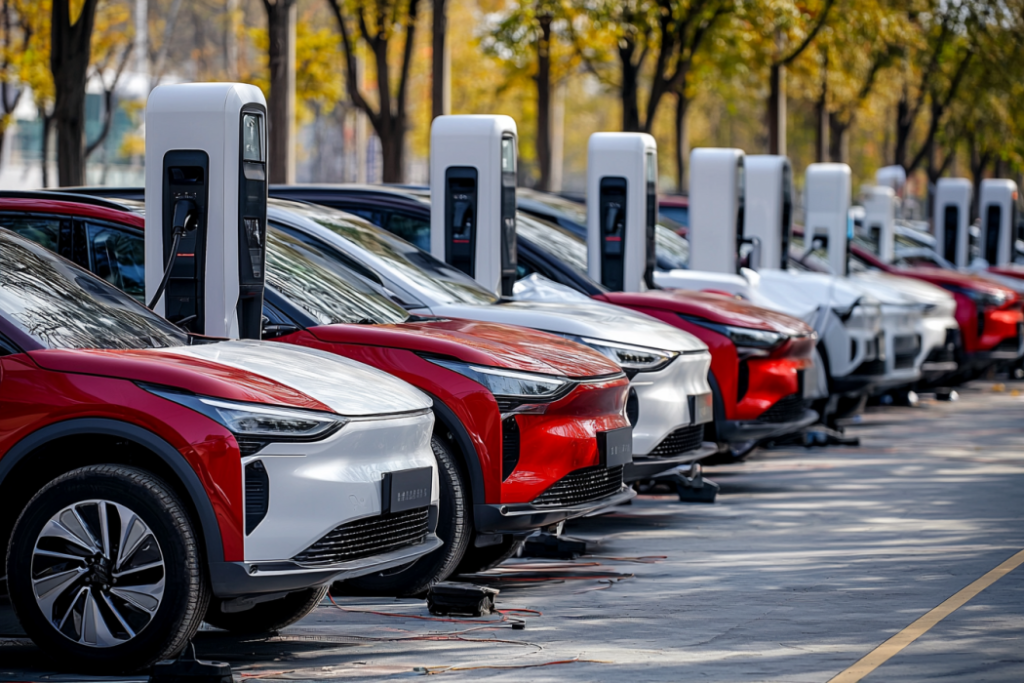
While the immediate impact of Chinese imports has been a blow to European manufacturers, the long-term outlook presents opportunities for growth. The entry of Chinese EVs has forced European carmakers to innovate and enhance efficiency. The presence of Chinese competition may help local manufacturers to improve their production processes and adopt new technologies that make their vehicles more affordable and desirable to the European market.
Additionally, European carmakers are likely to benefit from the establishment of new battery manufacturing plants within Europe, which will reduce reliance on Chinese-made batteries and help level the playing field.
A Push for Green Technology
Another potential long-term benefit is that the competition brought by Chinese manufacturers will push European companies to accelerate the development of advanced green technologies, furthering the EU’s ambitious environmental goals. By improving efficiency and sustainability, European automakers could increase their global competitiveness, leading to better, more affordable vehicles for consumers.
The Role of Tariffs and Trade Policy
As the influx of Chinese EVs continues, there is growing debate within the EU about whether to impose tariffs or other trade barriers to protect local industries. Some policymakers argue that the subsidies provided by the Chinese government create an uneven playing field, and tariffs may be necessary to level the competitive landscape.
While trade barriers may provide short-term relief to European automakers, they could also trigger retaliatory measures from China, leading to a potential trade war that could harm European exports to China, particularly in the luxury vehicle segment where European brands hold significant market share.
The Socio-Economic Impact on Europe
Job Market and Industry Shifts
The automotive industry is a major employer in Europe, supporting millions of jobs across the continent. The increasing presence of Chinese-made electric vehicles in the European market could have far-reaching implications for employment in the sector. As local manufacturers struggle to compete, there is a risk of factory closures, layoffs, and a decline in related industries, such as parts manufacturing and supply chains.
On the other hand, the shift towards electric vehicles presents an opportunity for the creation of new jobs in green technology sectors, particularly in battery production, software development, and electric vehicle infrastructure.
Environmental Implications
The environmental benefits of electric vehicles are clear, and the rise of Chinese EVs in Europe contributes to the EU’s broader goal of reducing carbon emissions and combating climate change. However, the importation of these vehicles also raises questions about the environmental impact of long-distance shipping and the sustainability of production practices in China.
Europe’s focus on building a robust EV infrastructure, including expanding charging networks and incentivizing the purchase of green vehicles, complements the rise of Chinese imports. In the long term, Europe is likely to benefit from the increased availability of affordable electric vehicles, regardless of their country of origin.
Conclusion
The rapid rise of Chinese electric vehicle imports to the EU between 2013 and 2023 has undeniably reshaped the European automotive industry. While European automakers face significant challenges in the short term, including increased competition and declining market shares, the long-term outlook holds potential for innovation and growth.
By pushing local manufacturers to improve efficiency and adopt new technologies, the competition from Chinese EVs may ultimately benefit the European automotive industry. However, this transition must be carefully managed to protect jobs and ensure that Europe continues to lead in green technology and sustainability.
The ongoing evolution of trade policies and government strategies will be crucial in determining the future relationship between China and Europe in the electric vehicle market.