


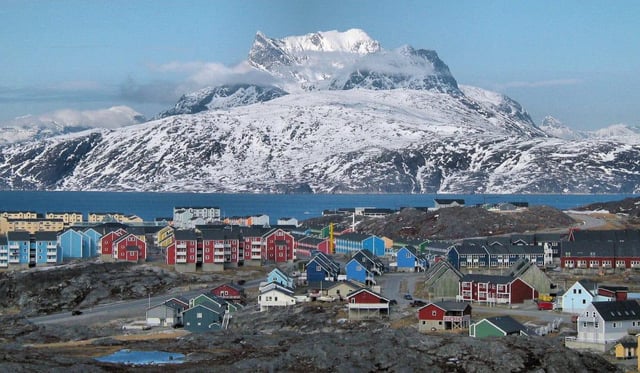
In a move that piqued international interest and speculation, Donald Trump recently expressed a strong desire for the United States to consider acquiring Greenland, underscoring its strategic significance. The proposal arose amidst rumblings of geopolitical reconfiguration and strategic considerations in the U.S.; however, the suggestion has sparked a variety of reactions both at home and abroad.
The Strategic Allure of Greenland
Greenland, the world’s largest island, is a Danish territory with a population of just over 56,000 people. Renowned for its vast icy landscapes, Greenland holds enormous strategic and resource potential. Trump’s interest is not without merit when considering its geographic location between North America and Europe, offering a unique military positioning advantage.
Furthermore, as the Arctic ice melts due to climate change, new shipping routes and untapped natural resources such as oil, gas, and rare minerals become increasingly accessible, rendering Greenland even more valuable. This evolving geopolitical landscape makes the island an attractive asset that could bolster U.S. military and economic interests in the Arctic region.
Mixed Reactions and Diplomatic Ramifications
Reaction to Trump’s suggestion has been mixed. Danish Prime Minister Mette Frederiksen described the proposal as “absurd,” asserting that Greenland is not for sale. In Greenland itself, the notion has been met with skepticism and complexity, as natives contemplate the implications of a change in governance and its impact on their autonomy.
While the American political scene has not universally embraced the proposal, key figures emphasize the importance of considering strategic interests in the Arctic, especially as other global powers like Russia and China increase their presence in the region. This geopolitical sentiment underscores the unique environment of the Arctic, where diplomacy, climate science, and strategic military considerations intersect.
Historical Context and Future Prospects
The idea of the United States acquiring Greenland is not novel. In 1946, the U.S. under President Harry Truman pitched a similar offer, proposing $100 million in gold for the island. Although this historical bid was ultimately unsuccessful, it highlights a recurring interest over the decades.
If Trump’s aspirations were genuinely pursued, such an acquisition would prompt complex diplomatic negotiations, involving not only Denmark and Greenland, but potentially the broader international community. This would entail discussions on sovereignty, economic partnerships, and security alliances, reshaping diplomatic ties and agreements.
For the residents of Greenland, change under American governance would introduce a new reality. While increased economic investment is a potential benefit, it must be balanced with respect to local culture, autonomy, and environmental considerations.
The discourse surrounding Greenland’s strategic importance illustrates the intersection of environment, policy, and global strategy. As the U.S. evaluates its Arctic interests, discussions continue on how best to approach such an endeavor diplomatically and strategically.
The allure of Greenland remains an intriguing element in discussions about global power dynamics, resource acquisition, and environmental stewardship. As debates unfold, the island’s role in international affairs continues to be a point of compelling strategic interest.