


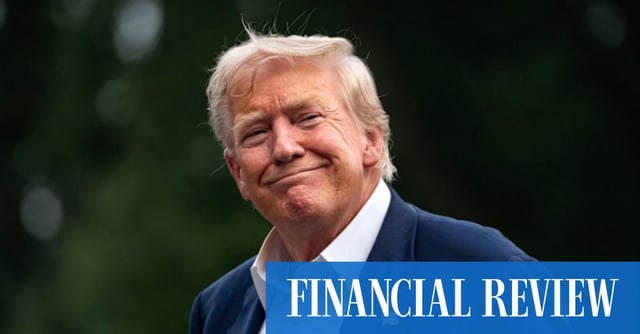
In a significant move that is poised to reshape international trade dynamics, former U.S. President Donald Trump announced the imposition of a 25% tariff on both Indian imports and Russian oil. These tariffs, intended to bolster domestic industries and reduce dependency on foreign commodities, have stirred substantial discourse in global economic forums.
Impact on US-India Trade Relations
For decades, India and the United States have enjoyed a robust trade relationship, with bilateral trade reaching unprecedented levels in recent years. However, this newly announced tariff introduces a considerable strain on this partnership. A 25% levy is likely to affect a wide range of Indian products, from textiles to technology, potentially making them less competitive in the American market.
Experts argue that the tariffs may compel India to seek alternative markets to offset lost revenues, possibly redirecting trade routes toward Europe or Asia. Furthermore, Indian companies that heavily rely on American consumers could face significant profit margins shrinkage, necessitating strategic pivots in their operational models.
Consequences for Russian Oil Imports
Parallel to the tariffs on Indian imports, the decision to tax Russian oil by 25% comes amid ongoing tensions between Russia and Western powers. The United States has historically been dependent on Russia for a substantial portion of its oil supply, a reliance that some policymakers view as a national security vulnerability.
This tariff is designed to encourage a shift toward energy independence while promoting domestic energy production. However, critics warn it may lead to increased oil prices domestically, putting additional pressure on American consumers. This tariff strategy reflects a complex balancing act: reducing dependency on foreign oil while managing domestic economic impacts.
Potential Domestic Ramifications
- Increased energy costs could heighten inflationary pressures.
- U.S. consumers may face higher prices for goods traditionally imported from India.
- The energy sector could experience an upsurge in domestic investment.
Global Economic Repercussions
This dual-tariff announcement is likely to have ramifications far beyond the United States. For India, these tariffs could signify a reevaluation of its trade priorities and stimulate efforts to diversify export destinations. Meanwhile, for Russia, the tariff could encourage a pivot towards Asian markets, particularly China, which has increasingly displayed openness to Russian oil.
Trade analysts highlight that such tariffs may adversely affect global supply chains, particularly in industries heavily reliant on Indian manufacturing or Russian energy. The potential ripple effects necessitate careful monitoring of international trade trends in the coming months.
In the backdrop of these developments, the international community is closely observing how other major economies will respond. Whether they might choose to align with the U.S. in imposing similar tariffs or take advantage of shifting trade winds remains a critical question.
Overall, these tariffs underscore a significant shift toward protectionist policies designed to strengthen domestic markets. However, as with any substantial economic maneuver, the balance between national interests and global trade dynamics will prove challenging to navigate. Stakeholders across sectors are bracing for the impacts, both foreseeable and unforeseen, as the world adapts to this new trade landscape.