


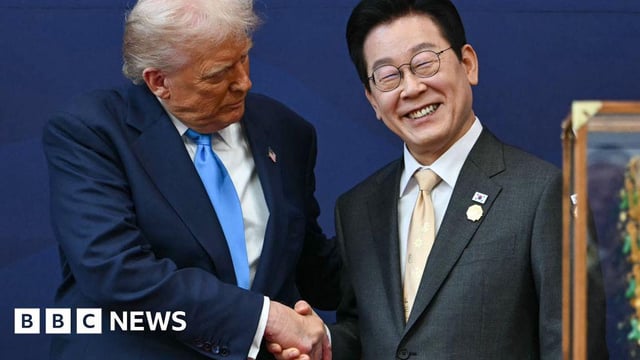
In a surprising move that could escalate trade tensions, former U.S. President Donald Trump announced an increase in tariffs on a wide array of South Korean imports, setting the rate at 25%. This decision marks a significant shift in the economic relations between the United States and South Korea, fueling concerns about the potential repercussions for international trade and diplomatic relations.
Impact on Bilateral Trade Relations
The announcement has raised eyebrows across economic and political sectors, as South Korea is considered a key ally and trading partner of the United States in Asia. The tariffs will affect a broad spectrum of South Korean goods, impacting industries ranging from technology to automobiles. Experts warn that this could lead to retaliatory measures by Seoul, further straining an already complex international trade landscape.
The increase aims to address what the Trump administration perceived as trade imbalances, though critics argue it could have adverse effects. Economists and industry insiders point out that increased tariffs may lead to higher prices for American consumers on products sourced from South Korea, reducing overall consumption.
Reactions from South Korea and International Stakeholders
The South Korean government swiftly responded, expressing deep concern over the tariff hike. Trade officials in Seoul are reportedly evaluating their options to counteract the new measures, including possible legal actions through international trade bodies. There had been no immediate indication of what steps South Korea might take, but foreign ministry officials hinted at seeking dialogue with U.S. counterparts to resolve the issue diplomatically.
Internationally, the decision has sparked discussions about the implications for global trade norms. Allies and international trading partners ponder the move could set a precedent for future trade policies. The European Union and China, observing these developments closely, may reassess their trade strategies with the United States in light of the enforcement of such tariffs.
Economic Implications for the U.S. and South Korea
Within the U.S., industries dependent on South Korean imports might experience disruptions, potentially leading to job losses or reduced economic activity in sectors heavily reliant on these goods. Businesses have voiced concern, urging the government to reconsider the tariffs to prevent unintended economic consequences.
Conversely, South Korean firms exporting goods to the United States are likely to face decreased demand due to elevated prices resulting from the tariffs. This could compel South Korean companies to shift their market focus, seeking out additional trading partners and markets to mitigate the impact.
While the longer-term economic effects remain uncertain, the immediate shockwave across both economies is undeniable. Analysts suggest that any benefits anticipated by correcting trade deficits might be outweighed by the costs associated with trade disruptions and strained diplomatic ties.
As both countries navigate this contentious economic terrain, the unfolding developments could redefine U.S.-South Korean trade dynamics, with potential ripple effects across the global economic stage. Stakeholders worldwide will be watching closely to see how this policy alteration influences international trade practices in the years to come.