


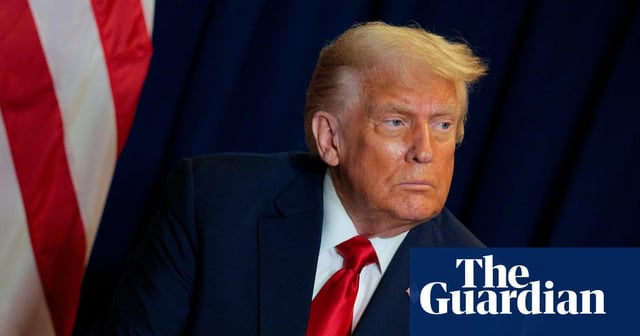
In a move that has sparked widespread controversy and debate, former President Donald Trump made a dramatic decision to withdraw the United States from several international treaties and organizations, including a pivotal global climate agreement. This decision, reflecting his “America First” diplomatic approach, has far-reaching implications for global governance, environmental policy, and international relationships.
Impact on Global Climate Policy
The most significant withdrawal involved the Paris Agreement, a landmark climate accord adopted by nearly every country in 2015 with the aim of limiting global warming and mitigating environmental impacts. By pulling out, the United States, which is one of the largest greenhouse gas emitters, sent shockwaves through the environmental community. Climate activists and global leaders expressed concerns about the loss of US leadership in the fight against climate change.
Environmentalists argue that the decision undermines the international effort to curb carbon emissions, potentially hindering progress as other nations look to the US for leadership. The absence of US participation not only affects the enforcement of targets but also the financial contributions crucial for supporting developing nations in their transition to green energy sources.
Broader Diplomatic and Economic Ramifications
Apart from the climate agreement, Trump also announced the withdrawal from several other international bodies, including agencies affiliated with the United Nations. These actions have raised questions about US commitment to multilateralism and its traditional role in global diplomacy. Allies and partners have expressed their disapproval, fearing a retreat from collaborative problem-solving on worldwide issues such as health pandemics, arms control, and humanitarian crises.
Economically, this shift may influence global markets, particularly as businesses and investors assess the long-term stability of international cooperation. Some experts warn that disengaging from these platforms could lead to increased economic isolation and decreased influence in setting global standards and regulations.
Responses on the Domestic Front
Within the United States, the decision provoked a mixed response. Supporters, largely from conservative factions, cheered the move as a restoration of national sovereignty and a chance to renegotiate terms deemed unfavorable to American interests. They argue that previous agreements hampered US economic growth and job creation.
Opponents, however, criticized the decision as shortsighted and potentially harmful to the country’s international standing. Many state leaders, particularly from environmentally progressive states, vowed to continue adhering to the guidelines set by international accords, regardless of federal policy. This divergence highlights the complex interplay between national and state policies in the American political landscape.
The withdrawal also sparked a broader debate about the role of the United States in world affairs, questioning whether the country should partake in global governance or prioritize national agendas exclusively. This ideological divide continues to shape the discourse surrounding US foreign policy approaches.
As the impact of these withdrawals continues to unfold, both domestically and internationally, the debate underscores the challenges of balancing national interests with the global need for cooperation and shared responsibility. The decisions made during Trump’s presidency remain a focal point of analysis concerning the future of US engagement on the global stage. As new administrations take office, these pivotal choices will likely influence policy direction for years to come.