


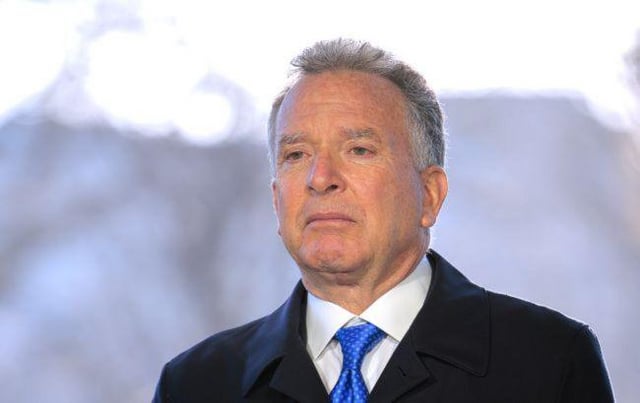
In an unexpected turn of diplomatic events, Russian President Vladimir Putin has effectively appointed his own representative to assist in negotiations with the United States. The move, which has puzzled foreign policy experts, highlights the complex dynamics and the current state of U.S.-Russia relations.
The Unconventional Choice of Envoy
Steven Witkoff, a renowned real estate mogul based in New York, has emerged as the chosen figure for this intricate diplomatic role. While Witkoff is known for his significant accomplishments in the business world, his appointment as a negotiator raises many eyebrows, given his lack of formal diplomatic experience.
Putin’s choice reflects an unusual approach to diplomatic negotiations, where economic pragmatism may be taking precedence over political diplomacy. Witkoff’s connections in the Russian real estate sector could provide a unique vantage point, potentially facilitating dialogues centered around economic and business interests.
A New Chapter in U.S.-Russia Relations
This appointment marks a new chapter in the already fluctuating relationship between the two nations. The United States and Russia have had a historically tense relationship, with periods of extreme rivalry and brief cooperation. The latest developments could signal a shift towards more economically driven diplomacy.
Experts suggest that employing someone with Witkoff’s background may help to focus negotiations on mutual economic interests, potentially easing tensions. However, skepticism remains regarding the effectiveness of having a non-diplomat at the forefront of such critical discussions.
Implications and Reactions
The implications of Putin’s decision are still unraveling, with reactions pouring in from various sectors. Political analysts are divided—some believe this move could pave the way for more practical outcomes, while others see it as a potential hazard that undermines traditional diplomatic norms.
Moreover, the appointment prompts questions about the broader strategy behind Russia’s foreign policy. By bypassing conventional diplomatic channels, Russia may be signaling a new tactic in its international relations strategy, one that disrupts status quo paradigms and explores the influence of economic ties.
These developments have also sparked discussions in Washington, with policymakers pondering over the potential impacts on U.S. foreign policy. The unorthodox nature of the appointment could challenge existing strategies and compel a reassessment of bilateral negotiation processes.
As this story unfolds, the global perspective on diplomatic engagements could be significantly altered, advocating for diverse profiles in negotiation roles. The final outcomes of this choice remain uncertain, but the ongoing deliberations are sure to attract global attention and scrutiny.