


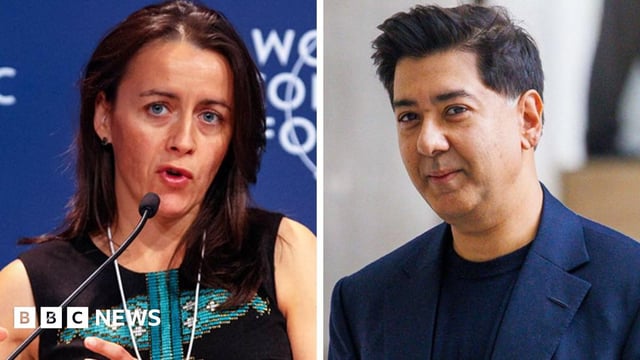
Five UK-based social media activists have been denied visas to enter the United States, igniting discussions and debates across various online platforms. The refusal has raised concerns about the potential implications for freedom of speech and the rights of individuals to engage in international dialogue and activism.
Visa Denials Spark Controversy
The activists, known for their progressive stances and active participation in social media campaigns, were anticipated to attend a series of conferences and events in the U.S. aimed at fostering transatlantic ties and discussing global issues. The unexpected visa denials have stymied their plans, leading to a flurry of debates on social media regarding the reasons behind the refusals.
The U.S. Department of State has maintained its stance that visa applications are assessed on a case-by-case basis without public disclosure of specific reasons for the refusal. However, speculation abounds regarding whether the activists’ strong political opinions and vocal presence online played a role in the decisions made by the immigration authorities.
Implications for International Activism
The situation raises questions about the extent to which governments can or should control the movement of individuals across borders, particularly when their advocacy and ideas potentially challenge existing policies or ideologies. Critics argue that such refusals undermine democratic principles by stifling free speech and collaboration across borders.
Social media has become a powerful tool for activists worldwide, enabling them to share ideas, mobilize support, and influence change. By denying entry to individuals based on their potential impact within digital spaces, authorities risk curtailing the very freedoms many nations strive to uphold.
Response from the Activists
The activists expressed their disappointment and concern over the visa denials, emphasizing the importance of international cooperation and dialogue to tackle global challenges. Through social media channels, they have rallied support and amplified their message, drawing attention to what they perceive as an infringement on their rights to engage with international communities.
Their efforts highlight the critical role of digital platforms in amplifying voices and creating awareness about social and political issues. By utilizing these channels, the activists have turned a setback into an opportunity to engage wider audiences and promote discussions on freedom of movement and expression.
Wider Reactions and Consequences
The visa denials have prompted reactions from various sectors, including fellow activists, legal experts, and human rights organizations. Many have expressed solidarity with the affected individuals, while others have called for transparent explanations from the U.S. immigration authorities to dispel any perceptions of bias or unfair targeting.
This incident underscores the delicate balance between national security concerns and individual freedoms. In an increasingly interconnected world, the ability to cross borders for dialogue and collaboration is essential. As such, the debate over these visa denials goes beyond individual cases, touching on broader issues of international relations and human rights.
The situation remains fluid, with further developments expected as the involved parties continue to advocate for change and transparency. As discussions unfold, the discourse on freedom of expression and the rights of global citizens to participate in international conversations is likely to gain momentum, influencing future policies and visa issuance practices.
As the story continues to develop, it remains a significant focal point for discussions on the intersection of international policy, social media, and activism.