


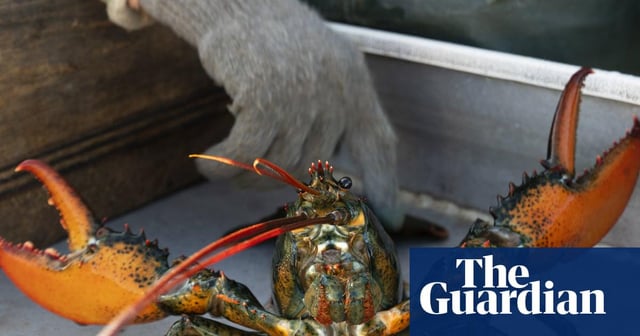
In a significant move for animal welfare, the United Kingdom is set to implement new rules prohibiting the boiling of lobsters and other crustaceans alive. This landmark decision follows extensive campaigns by animal rights groups and mounting scientific evidence suggesting that these creatures can experience pain. The impending legislation is part of a broader government initiative aimed at enhancing the humane treatment of animals across various sectors.
Animal Sentience and Scientific Evidence
For years, there has been ongoing debate about whether crustaceans, like lobsters and crabs, are capable of feeling pain. Recent scientific research has provided compelling evidence supporting the idea that these animals have complex nervous systems and pain receptors. The research indicates that crustaceans exhibit behavior changes when exposed to potentially painful stimuli, which mirrors the pain responses seen in other animals more universally accepted as sentient beings.
Dr. Jonathan Birch from the London School of Economics and Political Science, who specializes in animal sentience, emphasized the importance of recognizing crustaceans as sentient. “There is clear evidence that these animals are capable of suffering,” he noted, underscoring the moral obligation to adjust their handling in various industries, including food and hospitality.
Impact on the Culinary Industry
The UK’s decision to ban the traditional method of boiling lobsters alive will demand significant adjustments in the culinary industry. Many chefs and restaurants have previously employed this method due to its simplicity and the belief that it maintains the flavor and texture of the meat. However, renowned chefs and restaurateurs are beginning to acknowledge the ethical implications of such practices and are seeking alternatives.
One popular alternative is the use of electrical stunning devices, which render the lobster unconscious before boiling, thereby reducing potential suffering. Another method involves chilling the crustaceans to a state of unconsciousness prior to cooking. Several top UK chefs have already begun integrating these more humane techniques into their cooking practices, setting an example for the broader culinary community.
Global Implications and Public Response
The UK’s legislative move may encourage other nations to reexamine their animal welfare policies regarding crustaceans. Countries like New Zealand and Switzerland have already enacted legislation to prevent such inhumane practices, and the UK’s decision might inspire more widespread changes globally.
Public response to the announcement has been overwhelmingly positive, particularly among animal rights advocates and ethical consumer groups. Many see this regulation as a step forward in the global movement towards more humane treatment of all animals. A spokesperson from the Royal Society for the Prevention of Cruelty to Animals (RSPCA) hailed the initiative as a “milestone” in animal welfare legislation.
However, the initiative has also faced criticism from some quarters of the seafood industry, who argue that traditional methods have been utilized for centuries without conclusive evidence of distress or pain. The government has committed to working with these stakeholders to ensure a smooth transition to more humane practices, providing guidance and support for implementing the new rules.
As the UK takes this progressive step, it sets a precedent for the integration of scientific research into policy-making around animal welfare. By recognizing the sentience of all animals, including crustaceans, the UK is advocating for an ethical approach that could resonate beyond its borders, potentially influencing global standards in animal rights.