


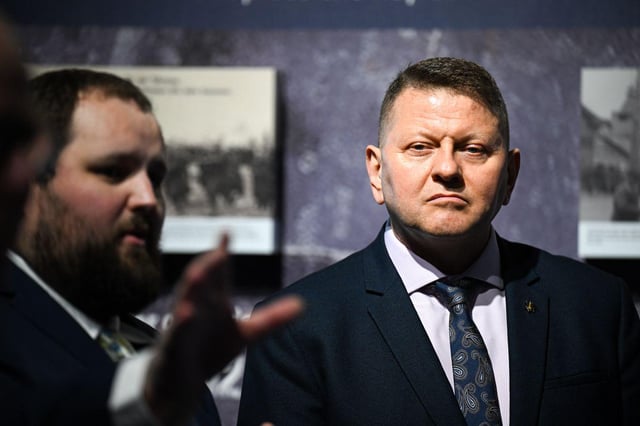
The conflict in Ukraine, ignited in 2014 with Russia’s annexation of Crimea and exacerbated by the ongoing war in Eastern Ukraine, has shown few signs of reaching a resolution. In a recent statement, Ukraine’s former top general, Valeriy Zaluzhnyi, expressed concerns that this conflict might endure beyond 2030, highlighting the potential for prolonged instability in the region. His warning underscores the complex geopolitical landscape and the challenges of achieving lasting peace.
Geopolitical Implications
The struggles in Ukraine have had wide-ranging implications not only for Eastern Europe but for global geopolitics. The persistent tensions between Ukraine and Russia reflect a broader contest of influence in the post-Soviet space, involving actors such as NATO, the European Union, and the United States. Furthermore, Russia’s assertive posture in this conflict has raised the stakes for European security, compelling regional powers to reassess their defense strategies and international alliances.
Zaluzhnyi’s observations suggest that this ongoing tug-of-war may not abate soon. Instead, it is embedded in a wider historical and political context that complicates any straightforward resolution. The general elaborates on how entrenched interests, national identities, and regional dynamics contribute to the protraction of the conflict, making quick diplomatic breakthroughs unlikely.
Military Stalemate
At the heart of Zaluzhnyi’s concerns is the military situation on the ground, which has become increasingly static. Neither side has managed to achieve definitive strategic victory, resulting in an entrenched stalemate. This impasse is characterized by sporadic skirmishes and ongoing military engagements that continue to drain resources and cause human suffering.
The former general emphasizes that both Ukraine and Russia have invested heavily in their military capabilities, further entrenching their positions. With vast resources being channeled into sustaining military readiness, the potential for a sudden de-escalation diminishes. The strain on military resources and civilian lives adds another layer of complexity to an already volatile conflict.
Impact on Civilians
The prolonged conflict has been devastating for civilians living in the affected areas. Thousands have lost their lives, and many more have been displaced, creating a significant humanitarian crisis. The economic impact is also considerable, as infrastructure is destroyed and trade diminished, particularly in the eastern regions of Ukraine.
Efforts to mediate and bring relief to the suffering populations have been complicated by the geopolitical interests at play. Humanitarian aid is often entangled with political decisions, making it challenging for international organizations to operate effectively in the region.
Prospects for Peace
Despite the bleak forecast, the pursuit of peace remains a crucial objective for both regional and global stakeholders. Ensuring a lasting resolution to the conflict will likely require innovative diplomatic approaches and robust engagement from international actors. Zaluzhnyi advocates for increased dialogue and confidence-building measures to gradually de-escalate tensions.
The former general also underscores the importance of rebuilding trust between Ukraine and Russia, as well as among international partners. Trust, once eroded, is difficult to restore, but essential for creating a conducive environment for negotiation and compromise.
Ultimately, the hope for a peaceful resolution rests on the willingness of all parties to commit to dialogue and the strength of international diplomacy. While the road to peace may be fraught with challenges, engaging in consistent and constructive dialogue offers a path forward.
In the meantime, the international community must continue to support Ukraine in navigating these difficult times, balancing the urgent needs of immediate conflict management with a long-term vision for sustainable peace. As tensions persist, the quest for resolution remains a critical endeavor that requires perseverance, creativity, and resilience from all involved. The future of Ukraine and the broader stability of the region depend on it.