


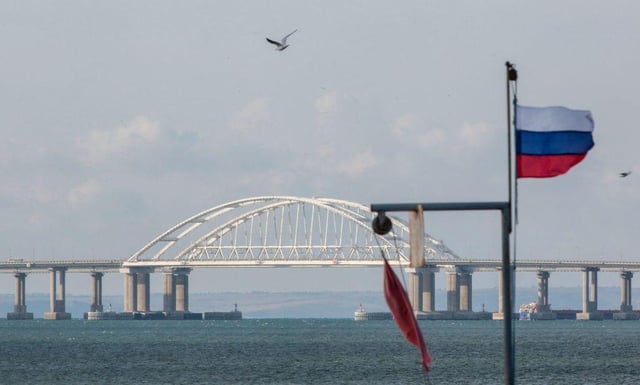
In a significant development amid escalating regional tensions, Ukrainian officials have confirmed that two Russian ships and an oil pipeline have been damaged by unmanned aerial vehicles, reportedly of Ukrainian origin. This incident marks a dramatic escalation in the ongoing conflict and underscores the increasing use of drone technology in modern warfare.
Details of the Incident
The incident occurred in the Black Sea, where Ukrainian military forces continue to engage with Russian assets following the onset of hostilities in eastern Ukraine. According to Ukrainian authorities, the drones targeted a strategic Russian oil pipeline, causing substantial disruption to its operations. The attacks also impacted two Russian ships, though details about the extent of the damage remain scant.
Ukraine’s use of drones represents a tactical innovation in its ongoing struggle against Russian-backed forces. These unmanned aerial vehicles, which have become a crucial component of military strategies worldwide, allow for precise targeting and can be deployed with relatively little risk to personnel.
Escalating Tensions
The attack on Russian maritime and energy infrastructure highlights the persistent intensity of the conflict. As diplomatic efforts remain stalled, both Ukraine and Russia continually seek strategic advantages through military engagements and technological innovations.
The damaged pipeline is a critical component of Russia’s energy infrastructure, linking key production sites to export terminals and providing substantial revenue for the Russian government. As a result, the attack could have significant economic ramifications for Russia and affect global energy markets that are sensitive to disruptions in supply.
Impact on Energy Supply
- The attack could lead to temporary supply shortages.
- Oil prices may see fluctuations due to reduced output.
- Long-term repairs could require significant resources and time.
The international community has been closely monitoring the developments, recognizing the potential for widespread repercussions. Disruption in oil supplies could exacerbate global energy challenges, while further military engagement risks escalating the conflict beyond its current boundaries.
International Reactions
International bodies and various governments have reacted with concern to the escalation. NATO has condemned the increasing hostilities and called for de-escalation from both sides. Meanwhile, the United States and European Union continue to voice support for Ukraine’s sovereignty, urging diplomatic resolutions to the conflict.
Russia, however, has accused Ukraine of irresponsible brinkmanship and warned of potential retaliatory actions. The Russian Ministry of Defense has called the attacks an act of aggression, and analysts speculate that Moscow may ramp up its military presence in the region in response.
Diplomatic Efforts
- Calls for renewed peace talks are ongoing.
- International mediation attempts to bridge negotiation gaps.
- Sanctions and economic measures considered as leverage.
Efforts to mediate the conflict have encountered significant obstacles, with multiple rounds of discussions failing to produce a cessation of hostilities. The introduction of drone warfare complicates these diplomatic efforts, as it adds a layer of technological arms race to the already complex geopolitical landscape.
As both sides weigh their next moves, the specter of prolonged conflict looms large, with potential implications for international peace and security. The increasing role of technology, such as drones, could change the face of warfare, challenging traditional military doctrines and prompting nations worldwide to rethink their defense strategies.
This incident serves as a stark reminder of the fragility of global peace in certain regions, illustrating the volatility that can arise from unresolved geopolitical disputes. The world watches with bated breath as the situation unfolds, hoping for a resolution that averts further escalation and fosters a lasting peace.