


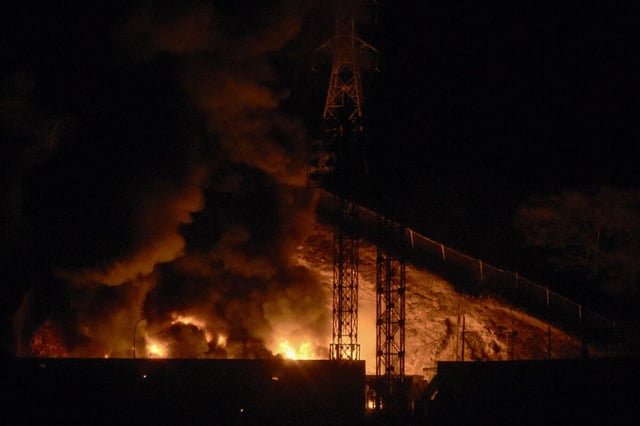
The United Nations has unequivocally condemned a recent military operation conducted by the United States in Venezuela, categorizing it as a violation of international law. This move has intensified already heightened tensions between the two nations, drawing significant global attention and criticism.
Background of the Operation
In a daring and controversial operation, U.S. forces reportedly entered Venezuelan territory in what was believed to be an effort to apprehend individuals linked to narcotics trafficking. The U.S. government has justified this incursion citing national security interests and the need to combat international drug cartels. However, details surrounding the incident remain murky, causing international observers to demand more transparency.
Venezuela’s government has accused the United States of infringing on its sovereignty. President Nicolás Maduro condemned the raid as an act of aggression, threatening to retaliate should further incidents occur. The Venezuelan leader has urged other nations to join in the condemnation, framing the action as an example of imperial overreach.
UN Secretary-General’s Statement
In an official statement, the UN Secretary-General expressed his deep concern over the incident, emphasizing the importance of respecting international borders and state sovereignty. He reiterated that such actions, without the explicit consent of the host nation or a mandate from international bodies, are considered illegal under international law.
The Secretary-General called upon the United States to re-evaluate its strategies concerning cross-border military operations and stressed the need for diplomatic solutions over unilateral actions. His remarks were echoed by several other senior UN officials and member states who believe that such actions could set a dangerous precedent.
International Reactions and Implications
The global response to the U.S. raid in Venezuela has been mixed. While some countries have shown support for the U.S., citing their understanding of the security challenges posed by drug trafficking networks, others have expressed strong disapproval.
- Latin American Countries: Many of Venezuela’s regional allies, including Bolivia and Nicaragua, have voiced solidarity with Maduro’s government, condemning the U.S. operation as an unjustifiable breach of international norms.
- European Union: The EU has urged both the U.S. and Venezuela to de-escalate tensions, advocating for dialogue and cooperation in resolving underlying disputes.
- Other Global Powers: Nations like China and Russia have sided with Venezuela, criticizing U.S. actions as indicative of a broader pattern of interference in the internal affairs of sovereign states.
This incident has the potential to reshape diplomatic relations in the region, complicating efforts to foster collaboration on issues like drug trafficking, economic development, and climate change. The raid has also fueled anti-American sentiment across Latin America, which could influence future regional policy decisions and alliances.
As the dust settles, what remains clear is the need for international dialogue and the reaffirmation of the principles of sovereignty and mutual respect. The unfolding situation underscores the complexity of geopolitical relations and the delicate balance required to maintain peace and cooperation among nations.