


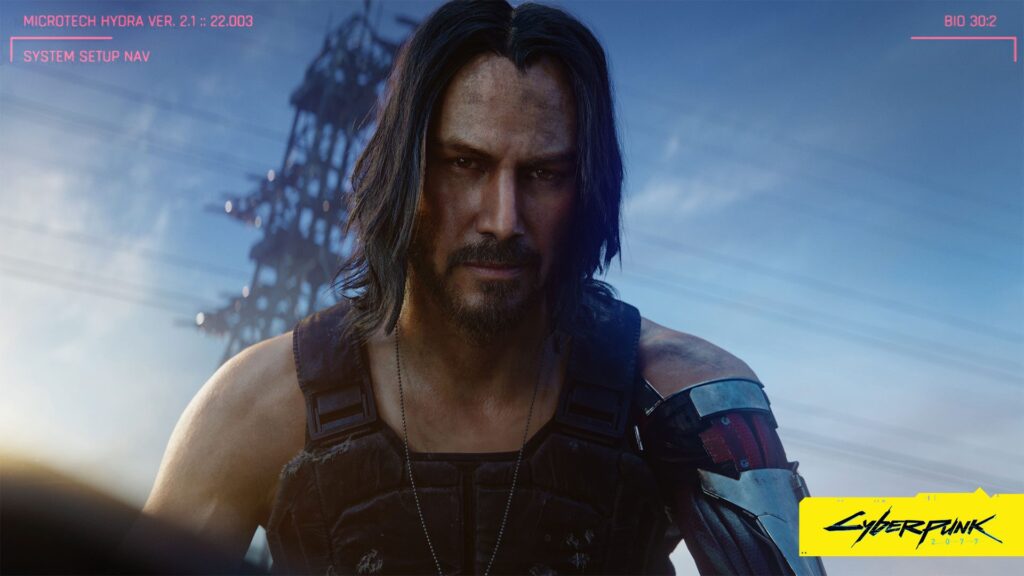
The virtual reality modding scene recently faced a significant setback as a popular mod for “Cyberpunk 2077” was removed at the behest of a DMCA takedown. The mod, developed by Luke Ross, was a technical marvel that allowed gamers to immerse themselves in the sprawling and cybernetic world of Night City through VR. Despite this setback, the horizon for VR adaptations of popular games remains promising.
The DMCA Takedown
Luk Ross, a venerated figure in the VR modding community, received a DMCA notice regarding his VR mod for “Cyberpunk 2077.” The takedown has sparked discussions about the rights of modders versus the intellectual property rights of game developers and publishers. The mod, offering a groundbreaking VR experience, enabled players to experience the vibrant dystopia of “Cyberpunk 2077” in an entirely new dimension.
The notice came from the game’s publisher, CD Projekt Red, but the exact reasons behind the DMCA claim remain somewhat unclear. The community speculates that it could be related to concerns over intellectual property, the modification of original game content, or potential impacts on sales and user experiences.
Impact on the Modding Community
The removal of Luke Ross’s VR mod has sent ripples through the broader community of video game modders. Modding, the practice of altering or adding content to existing video games, has long been a popular way for enthusiasts to enhance or transform gaming experiences. However, this incident highlights the tightrope that modders walk between creativity and legality.
For many gamers, mods represent a form of personal expression and a way to extend the longevity and enjoyment of their favorite titles. The takedown draws attention to the delicate relationship between developers who own IP rights and modders who rely on those intellectual properties to create new experiences. As game publishers increasingly enforce their rights, the future of such creative modifications faces an uncertain landscape.
The Response from Luke Ross and the Industry
- Luke Ross expressed disappointment over the removal but has remained optimistic about future projects. He has a track record for adapting major titles into VR, such as “Grand Theft Auto” and “Red Dead Redemption 2,” which have garnered wide acclaim.
- The takedown raises broader questions about the boundaries of modding and the permissible scope of derivative works from existing video games. The industry watches closely to see how this situation, and others like it, may set precedents for future cases.
- There is also a growing discussion around the need for clearer guidelines and potentially new frameworks that could allow modders and developers to collaborate while respecting each party’s interests.
The Future of VR Modding
Despite this setback, the possibilities for VR modding remain expansive. The demand for immersive experiences in VR continues to grow as technology progresses, pushing boundaries and expectations of what gaming can offer. Enthusiasts and professionals alike are keen to see how future games can be transformed into even more engaging VR experiences.
The passionate base of VR recreationalists is not likely to wane anytime soon. For developers who recognize the potential of VR, engaging constructively with modders could lead to innovative collaborations that enhance the gaming ecosystem. Such cooperation could pave the way for official VR adaptations of popular games, with developers potentially offering modding support tools that ensure intellectual property is respected while meeting player demand for immersive experiences.
This community-driven method has been successful in the past, with some mods even being endorsed or hired officially by game developers. The modern landscape, with increasing access to VR technology, suggests that the dialogue between modders and developers must evolve.
The DMCA takedown of the “Cyberpunk 2077” VR mod may represent a stumbling block, but it also invites fundamental questions and discussions about the future of game modding. It underscores the need for policies and practices that embrace and protect technological advancements while fostering creativity and innovation in gaming. In this ever-evolving field, the balance between creative freedom and IP law will remain at the forefront of discussions, shaping the future of digital experiences.
, image: https://www.roadtovr.com/luke-ross-cyberpunk-pc-vr-mod-dmca-takedown/