


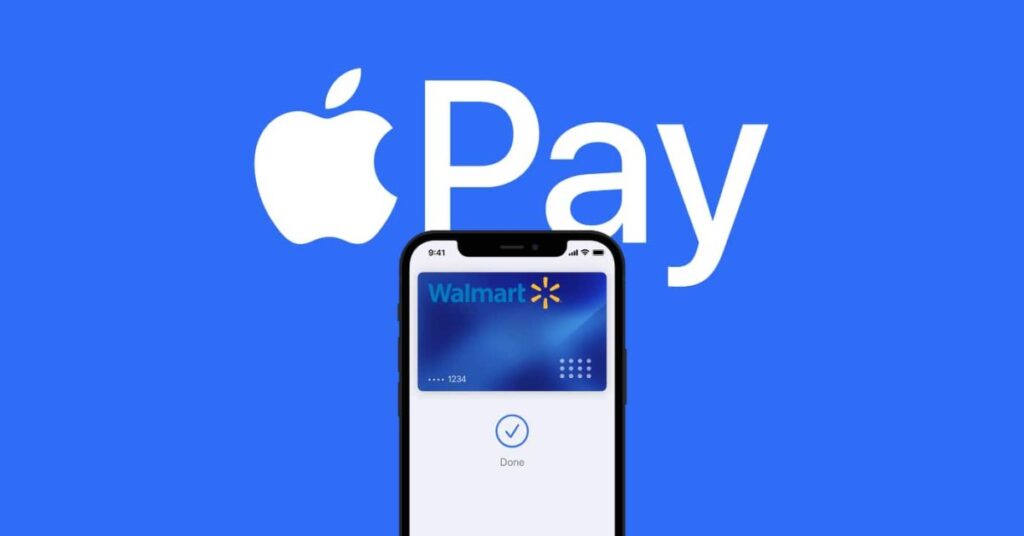
As mobile payments gain momentum globally, a notable absence persists in the expansive corridors of Walmart—the utilization of Apple Pay. Despite its widespread adoption among retailers and consumers alike, the world’s largest retailer remains resolute in its decision to exclude this popular digital wallet platform from its checkout options.
The Strategic Choice Behind Walmart’s Digital Payment Strategy
Walmart’s steadfast refusal to adopt Apple Pay is not born out of oversight or resistance to innovation. Rather, it is a calculated decision deeply rooted in the company’s broader digital payment strategy, heavily tied to its own mobile application—Walmart Pay. Designed to enhance customer convenience and experience, Walmart Pay serves as the cornerstone of the retailer’s push to maintain control over its transaction data and enhance its ability to cultivate customer loyalty.
Walmart Pay operates seamlessly within the existing Walmart app, allowing customers to use their smartphones for contactless payments during checkout. This strategic alignment ensures that Walmart retains valuable consumer data within its ecosystem, avoiding potential competition from third-party applications like Apple Pay, which siphon that data away.
Understanding the Competitive Landscape
To comprehend Walmart’s decision to shun Apple Pay, one must delve into the competitive dynamics of the retail and payment processing sectors. By prioritizing its payment system, Walmart fortifies its relationship with customers, drawing them further into a comprehensive shopping experience. A significant advantage of this approach is the ability to offer targeted promotions, personalized experiences, and integrated loyalty programs, further entrenching customer loyalty.
The Role of Transaction Fees and Control
Incorporating Apple Pay would not only detract from Walmart’s ability to control the consumer experience but also introduce additional transaction fees. Digital wallets like Apple Pay charge retailers a fee for every transaction processed through their platform, fees that can quickly accumulate given Walmart’s scale. By eschewing Apple Pay, Walmart reduces these overhead costs, thus maintaining its ability to offer competitive pricing to its vast customer base.
Navigating Technology and Consumer Habits
Moreover, Walmart’s decision aligns with a broader strategy to shape consumer purchasing habits toward digital grocery and merchandise ecosystems it directly oversees. While Apple Pay offers broad compatibility and ease, Walmart’s strategy is centered around proprietary technology, thus encouraging more in-app engagements and ensuring customers interact with its digital channels directly.
Broader Implications for the Retail Industry
Walmart’s choice not to implement Apple Pay reflects broader trends and tensions within the retail industry around data ownership and consumer engagement. As digital payments continue to increase in popularity, questions around the balance of power between retailers and financial intermediaries become more pronounced.
Other retailers are watching Walmart’s strategy closely to gauge its effectiveness. Given Walmart’s industry-leading position, its ability to persuade consumers to adopt its own payment system could set precedents and influence others in the industry.
As consumer behavior continues to evolve alongside technology advancements, Walmart’s exclusive reliance on its in-house payment system is a gamble that aligns with its focus on digital-first strategies. In doing so, Walmart positions itself not only as a physical retail giant but also a digital innovator keen on leveraging every advantage in the highly competitive retail market.
While the absence of Apple Pay may seem curious in an era of digital convergence, Walmart’s strategic decisions underscore a larger imperative—to retain control of its digital domain and steer consumer behavior. This calculated approach is congruent with its commitment to offering comprehensive, tailored shopping experiences, ensuring the retailer stays a step ahead without compromising on cost or customer engagement.
, image: https://9to5mac.com/2026/01/18/heres-why-walmart-still-doesnt-support-apple-pay/