


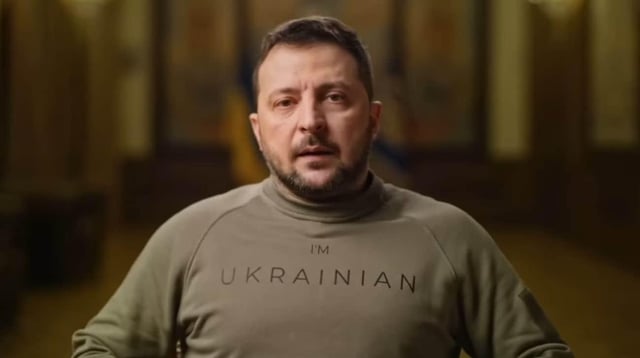
In a recent interview, Ukrainian President Volodymyr Zelenskyy expressed his concerns over Russian President Vladimir Putin’s actions and policies, particularly scrutinizing his humanitarian values amid the ongoing conflict between Russia and Ukraine. Zelenskyy’s comments have resonated on the international stage, raising discussions about the nature of leadership and the responsibilities held by those in power.
Zelenskyy’s Perspective
During the interview, President Zelenskyy strongly criticized Putin’s approach to leadership and governance. He articulated concerns over what he perceives as a lack of empathy and humanity in Putin’s policies, particularly when it comes to the impact on civilians caught in the conflict zones. Zelenskyy’s remarks suggest a deep-seated frustration with the Kremlin’s strategies, which he argues disregard human rights and international norms.
This critique emerges as part of Zelenskyy’s broader strategy to garner international support and highlight the challenges faced by Ukraine in the face of ongoing aggression. His pointed comments are indicative of the high tensions that persist between the two nations and underscore the human cost of political decisions made in the Kremlin.
International Reaction
The international community has had varied reactions to Zelenskyy’s statements. Western allies, who have been supportive of Ukraine’s sovereignty and territorial integrity, see Zelenskyy’s comments as a clarion call for increased vigilance and support against Russian advances. Meanwhile, Russian officials have dismissed the Ukrainian leader’s remarks as propaganda aimed at vilifying Putin and justifying Ukraine’s resistance efforts.
Zelenskyy’s comments are part of a broader narrative that seeks to shift the global perspective towards Russia’s military activities and their humanitarian impact. Human rights organizations and global leaders have increasingly voiced concerns over the treatment of civilians and the tactics employed in contested regions.
The Broader Context of Russo-Ukrainian Relations
The conflict between Ukraine and Russia has deep historical roots, compounded by recent geopolitical shifts and territorial disputes. Since the annexation of Crimea by Russia in 2014, relations between the two countries have been fraught with conflict, leading to ongoing military engagements in Eastern Ukraine. This has prompted widespread international condemnation and resulted in economic sanctions against Russia.
Analysts suggest that Zelenskyy’s strong rhetoric reflects a continuation of Ukraine’s efforts to strengthen its alliances and attract international aid. It also indicates an attempt to pressure Russian leadership by casting a spotlight on humanitarian issues, aiming to galvanize both domestic and international support.
As the conflict continues without a clear resolution in sight, the role of political discourse and media coverage remains pivotal in shaping public perception and policy decisions. Zelenskyy’s statements have intensified discussions around the ethical responsibilities of leaders and the moral implications of political conflicts.
The path forward for Ukraine and Russia remains uncertain, with continued diplomatic efforts being necessary to de-escalate tensions and reach a peaceful resolution. For now, Zelenskyy’s critiques serve as a powerful reminder of the personal and collective human experiences that are often overshadowed by geopolitical strategies and power struggles.