 Karolina Sedlackova
Traditional Czech food is meat-heavy, rich in gravies, always served with dumplings, and best washed down with cold Czech beer. Modern Prague restaurants have added lighter techniques and vegetables, but the classic Czech menu — the one your grandmother in Písek would still recognize — is essentially unchanged from a century ago. This is the comprehensive guide to the 15 dishes every visitor should know, with pronunciation, ingredients, where to eat each one in Prague, and how to make them at home.
Quick-answer summary (for people in a hurry)
- National dish: Svíčková na smetaně — marinated beef sirloin in cream sauce with bread dumplings.
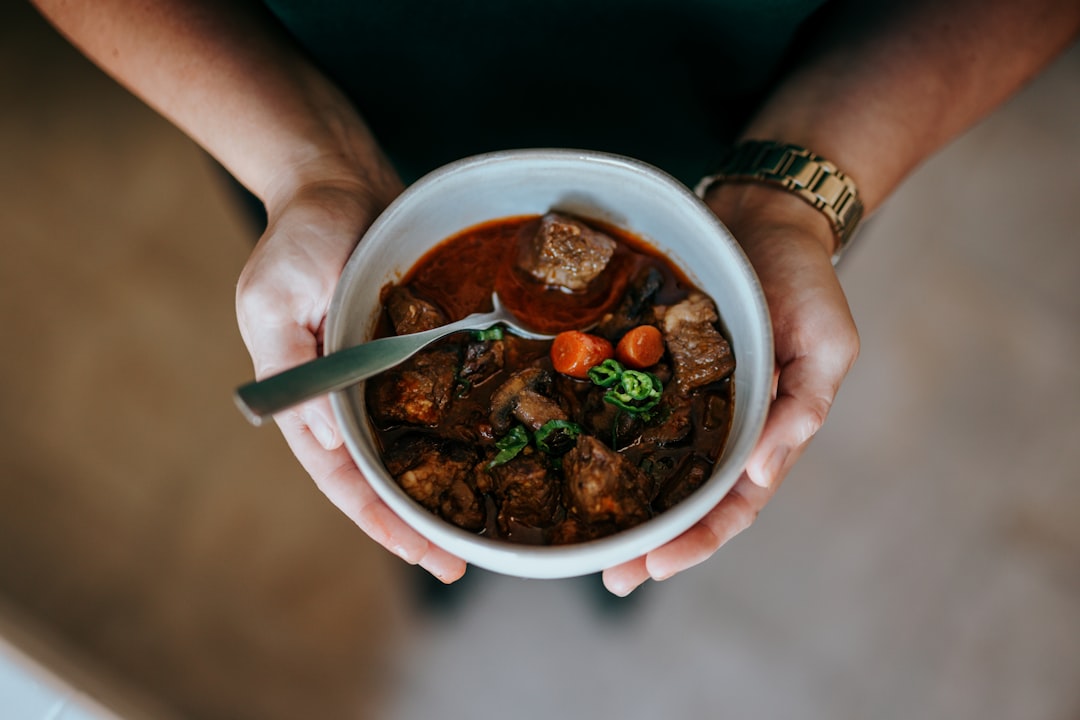
- The everyman staple: Guláš — Czech beef stew with dumplings.
- The tourist-showstopper: Pečené vepřové koleno — a whole roast pork knuckle.
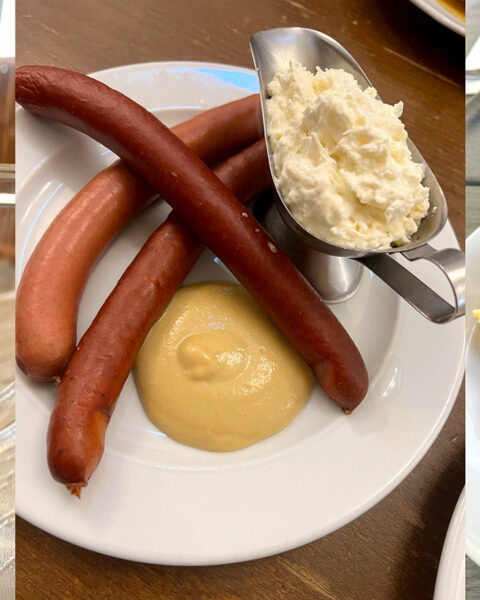
- Best pub snack: Utopenci — cold pickled sausages with a beer.
- Best comfort soup: Kulajda — mushroom, sour cream, dill, and a poached egg.
- Best dessert: Ovocné knedlíky — fruit dumplings with poppy seeds and browned butter.
- The trap to skip: Trdelník — sold everywhere in Prague; not actually Czech.
What is traditional Czech cuisine?
Traditional Czech cuisine (česká kuchyně) is the food of Bohemia, Moravia, and Silesia — the three historical Czech lands that make up today’s Czech Republic. It is Central European in DNA, sharing roots with Austrian, German, Slovak, Hungarian, and Polish cooking. What sets it apart:
- Pork is the primary meat — Czechia has one of the highest per-capita pork consumptions in Europe.
- Bread dumplings (houskový knedlík) are the staple starch, not potatoes or rice.
- Sauces are cream- or beer-based, thick, and often sweetened with a touch of sugar or cranberries.
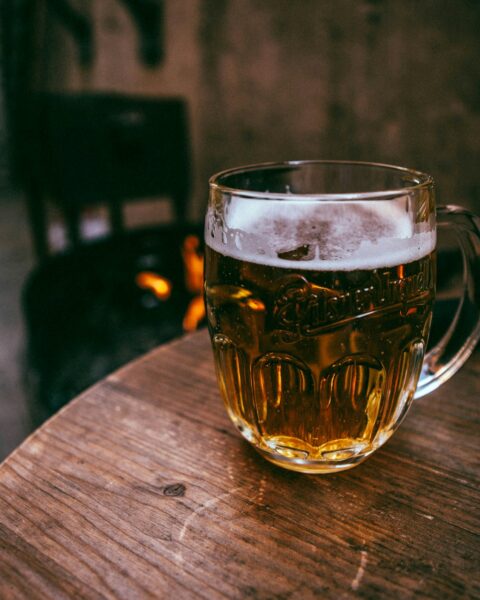
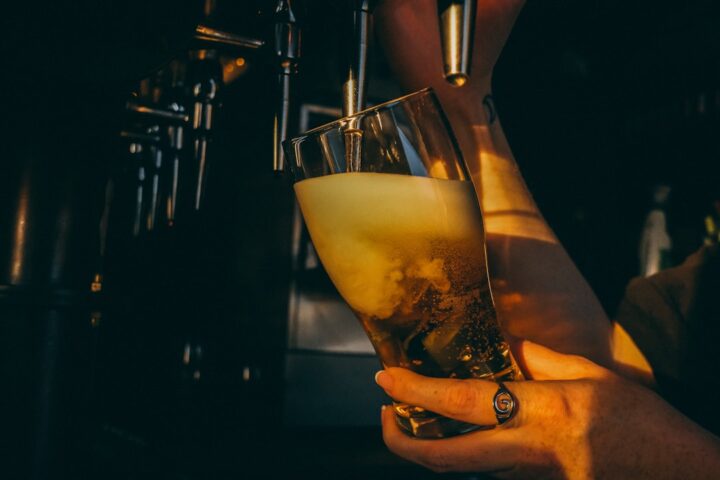
- Beer is a food group — Czechs drink more per capita (142 L per year) than anyone else in the world.
- Sauerkraut, mushrooms, and dill appear in many dishes; garlic and marjoram are the definitional herbs.
The 15 essential traditional Czech dishes
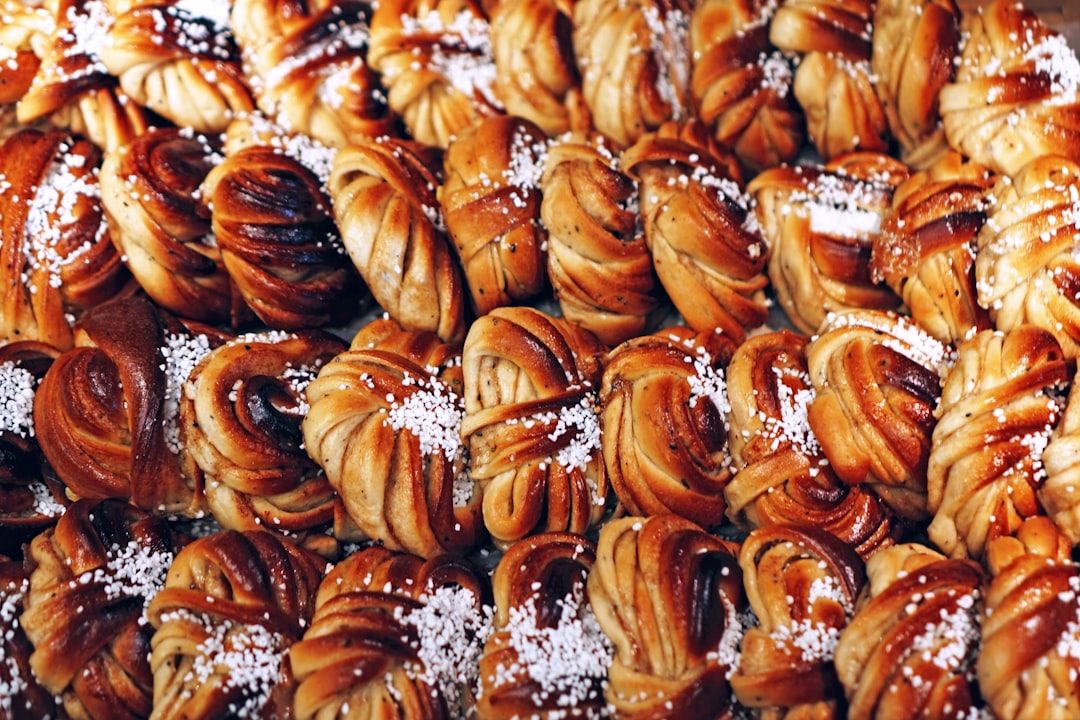
15. Trdelník (TER-del-neek) — SKIP (not actually Czech)
Trdelník is the cinnamon-sugar spiral pastry sold from wooden stalls all over Prague, and it is NOT a traditional Czech dessert. It’s a Slovak-Hungarian import that appeared in Prague around 2000, marketed almost exclusively to tourists. The dough is wrapped around a wooden dowel (“trdlo”), grilled over open flame, and rolled in cinnamon sugar. Increasingly, tourist-focused stalls hollow the pastry out and fill it with ice cream, Nutella, or whipped cream — this modern “ice-cream cone” version has no historical basis.
Why we mention it: Because you’ll be offered one on every Old Town street corner. Have one for the Instagram if you want — it’s tasty enough — but don’t leave Prague thinking you’ve eaten a Czech traditional dessert. Have an ovocné knedlík or a slice of medovník cake instead.
What to drink with Czech food
| Beverage | Pairs with | Notes |
|---|---|---|
| Pilsner Urquell (světlý ležák) | Everything, especially pub food | The Czech default beer — see our Prague beer guide |
| Kozel Černý (tmavý ležák) | Roast pork, guláš, cheeses | Sweeter dark lager, hints of chocolate |
| Budvar světlý (svetlý ležák) | Schnitzel, roast meats | Lighter, cleaner than Pilsner Urquell |
| Becherovka (chilled) | Digestif after any heavy meal | Herbal liqueur from Karlovy Vary |
| Slivovice (room temp) | End of a long meal | Plum brandy, ~50% ABV |
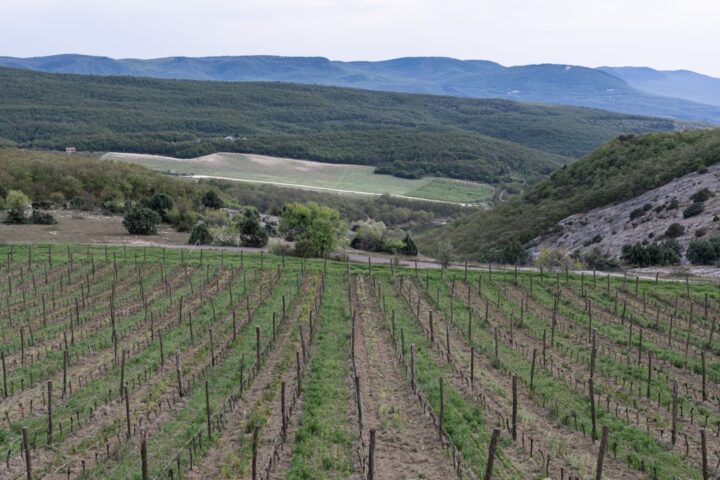
| Moravian white wine | Fish, palačinky, cheese | Try Ryzlink rýnský or Sauvignon Blanc from Znojmo |
How to order in a Czech pub — the phrases you need
- “Jeden knedlík navíc, prosím” — “One extra dumpling, please.”
- “Můžete nakrájet napůl?” — “Can you cut it in half?” (for sharing).
- “Ještě jedno, prosím” — “One more, please” (for beer).
- “Zaplatíme, prosím” — “We’ll pay, please.”
- “Bez cibule, prosím” — “Without onion, please.”
- “Vodu z kohoutku, prosím” — “Tap water, please” (see our Prague tap water guide).
Building a Czech home kitchen — the essentials
If Czech food inspires you at home, the equipment list is short and enduring:
- Lodge 6-quart cast iron Dutch oven — for guláš, svíčková, pot roast pork.
- Escali Primo digital scale (0.1g) — Czech recipes are weight-based; measuring cups fail.
- KitchenAid meat grinder attachment — for home sausage-making.
- Sausage stuffer — pair with the grinder.
- Heavy meat mallet — essential for řízek.
- Prague Powder #1 curing salt — see our Prague Powder guide.
Best Czech cookbooks in English
- “Recipes from an Old Town Bohemian Kitchen” — the accessible modern classic; photos, English-friendly measurements.
- “Czech Cookbook” by Doreen Grove — traditional grandmother-style recipes; less photography, more soul.
- “Charcuterie” by Michael Ruhlman — for the sausage and cured-meat side of Czech cooking.
Where to eat these dishes in Prague — the definitive list
- Lokál Dlouhááá — best all-around traditional Czech; Pilsner Urquell tank; multiple locations.
- U Medvídků — one of Prague’s oldest breweries; excellent guláš, roast pork knuckle.
- Café Savoy — beautiful room, excellent řízek, palačinky.
- Café Louvre — Kafka’s café; excellent česnečka, palačinky.
- Kantýna — butcher-shop-with-restaurant; order steaks and roasts by weight.
- U Zlatého Tygra — Havel’s local; only serves Pilsner Urquell + traditional pub food.
- Havelská Koruna — self-service traditional Czech, extremely cheap, extremely authentic.
- Naše Maso — butcher shop with standing tables for fresh sausage sandwiches.
See our full Prague restaurants guide for more.
FAQ
What is the most famous Czech food?
Svíčková na smetaně — marinated beef sirloin in cream sauce with bread dumplings and cranberries. Considered the Czech national dish.
Is Czech food similar to German food?
They share roots — pork, sauerkraut, dumplings, beer — but Czech cuisine has distinct traits: bread dumplings (rather than potato dumplings), cream-based sauces, cranberry accompaniments, and softer seasoning.
What is a typical Czech breakfast?
Bread rolls (rohlíky) with butter, cheese, ham, or preserves; coffee; sometimes a soft-boiled egg. Warm porridge (kaše) with fruit is also common.
Do Czechs eat sauerkraut every day?
Not every day, but sauerkraut (kysané zelí) appears often — especially with roast pork. Czech sauerkraut is typically milder than German.
Is Czech food vegetarian-friendly?
Traditional Czech cuisine is heavily meat-based. Vegetarian options at pubs are usually fried cheese (smažený sýr), potato pancakes, and fruit dumplings. Modern Prague has excellent dedicated vegetarian restaurants.
What is Czech beer culture?
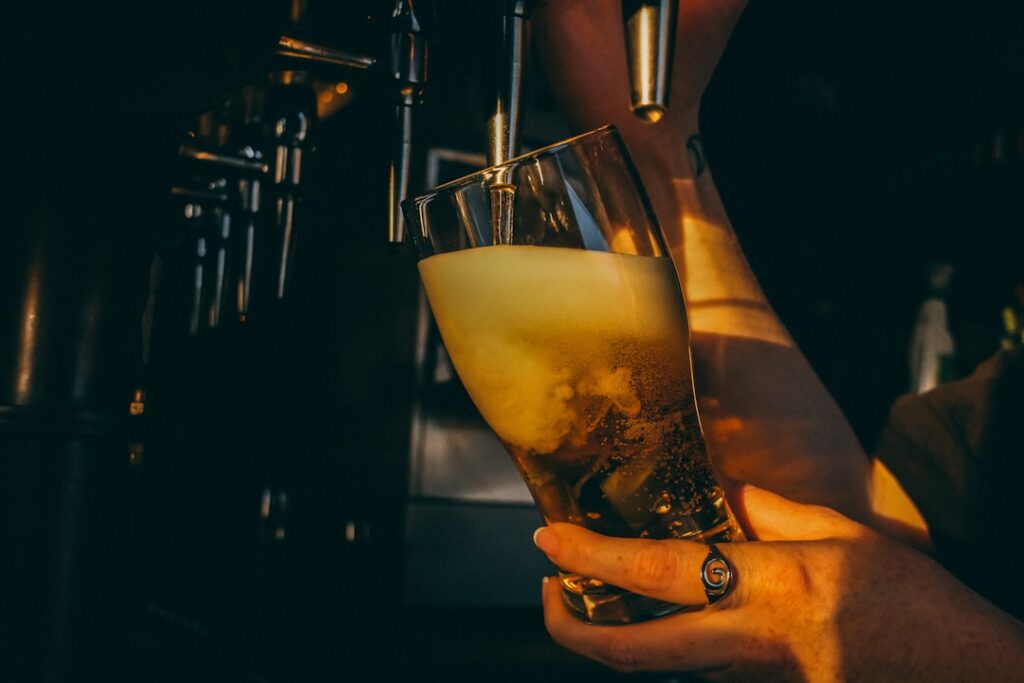
Czechs drink 142 liters of beer per capita per year — the highest in the world. Beer is treated as food, part of the meal, and traditionally paired with pub food. See our Prague beer guide.
What is the difference between Czech guláš and Hungarian goulash?
Czech guláš is thicker, more beef-heavy, less paprika-forward, and always served with dumplings. Hungarian gulyás is more of a soup, with more paprika and often served with potatoes or bread.
How much should I tip in a Czech restaurant?
10% is standard for good service. See our tipping guide.
Where can I buy Czech ingredients in the US or UK?
Poppy seeds, paprika, caraway seeds, and Czech beer are widely available on Amazon. Fresh Czech ingredients (tvaroh curd cheese, real Czech sausages, hermelín cheese) are harder to find — check Central European grocery stores.
Is trdelník a real Czech dessert?
No. Trdelník is a Slovak-Hungarian pastry sold in Prague to tourists. It appeared in Prague around the year 2000. Traditional Czech desserts are ovocné knedlíky, medovník cake, palačinky, and vánoční cukroví (Christmas cookies — see our Christmas cookies guide).