 Kristina Vankova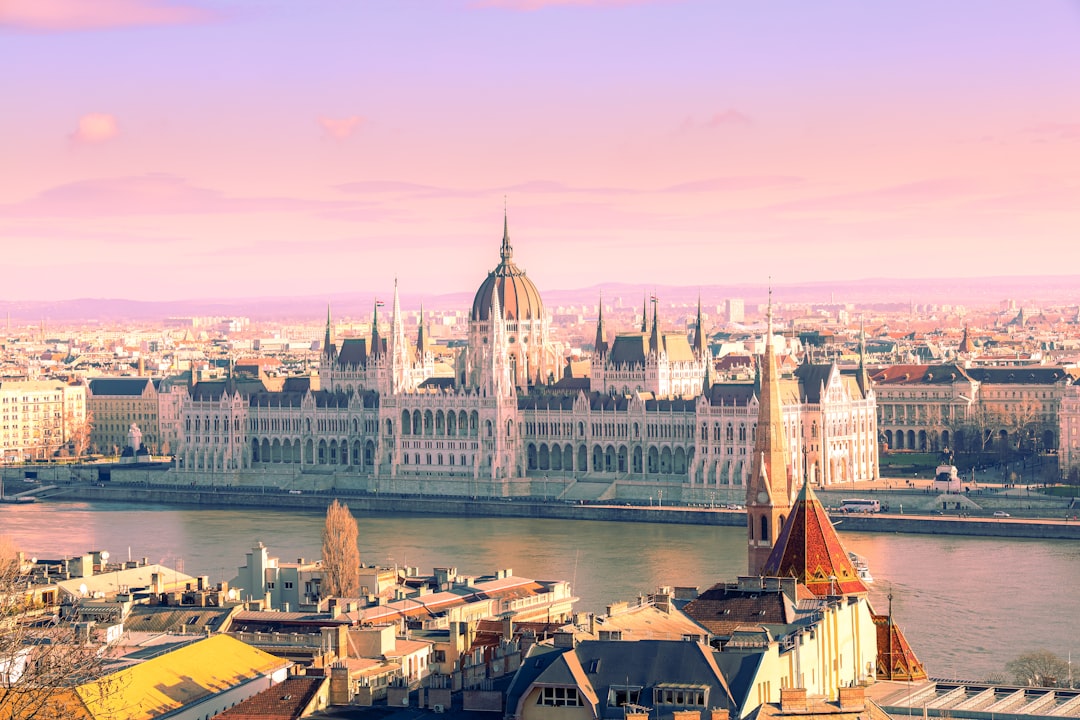
Prague, Vienna, and Budapest form the classic Central European triangle. They’re close enough that many first-time visitors squeeze all three into a single trip — 4 nights in each, connected by train — and by the end can barely remember which fortress overlooks which river. The three cities are genuinely similar in some ways (all former Habsburg centers, all baroque architecture, all served by great trams) and genuinely different in others (cost, walkability, food culture, and what “nightlife” means).
If you only have time for one, this comparison will help you pick.
Quick answer
- Prague if this is your first Central European trip, you want maximum “wow factor” per hour, and you care about beer and gothic/baroque architecture. Cheapest of the three by a small margin.
- Vienna if you want museums (imperial art, Klimt, classical music) and a polished, orderly city that feels like a smaller, prettier version of a Western capital. Most expensive of the three.
- Budapest if you want thermal baths, ruin bars, striking Art Nouveau buildings, and a slightly grittier, more chaotic feel. Cheapest by a noticeable margin.
Cost — a real 2026 comparison
Approximate daily budget for one person, mid-range accommodation and restaurants:
| Prague | Vienna | Budapest | |
|---|---|---|---|
| Hotel (3★, double, per night) | €120 | €165 | €95 |
| Restaurant dinner + drink | €25 | €35 | €22 |
| Local beer | €2.50 | €5 | €2 |
| Coffee | €3.50 | €4.50 | €2.80 |
| Single tram/metro ticket | €1.30 | €2.40 | €1.20 |
| Popular museum entry | €12 | €18 | €10 |
| Daily budget (mid-range) | ~€130 | ~€180 | ~€110 |
Prices from spring 2026, approximate; add 15–20% for high season (May–September) and around Christmas markets.
Walkability and getting around
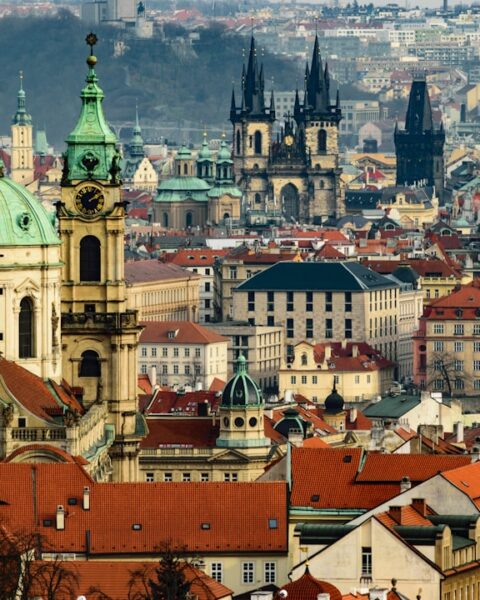
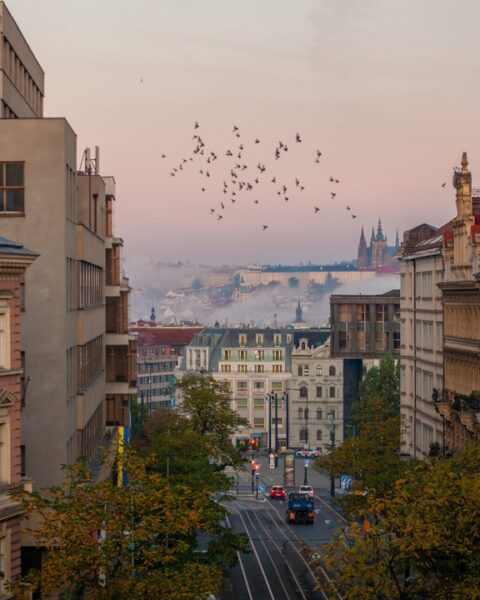
Prague — Compact and walkable. The Old Town, Malá Strana, Josefov, and New Town are all within a 30-minute walk of each other. The tram system is dense, cheap, and easy to use. The metro is small (3 lines) but efficient. You don’t need a car; you barely need public transport for the tourist areas.
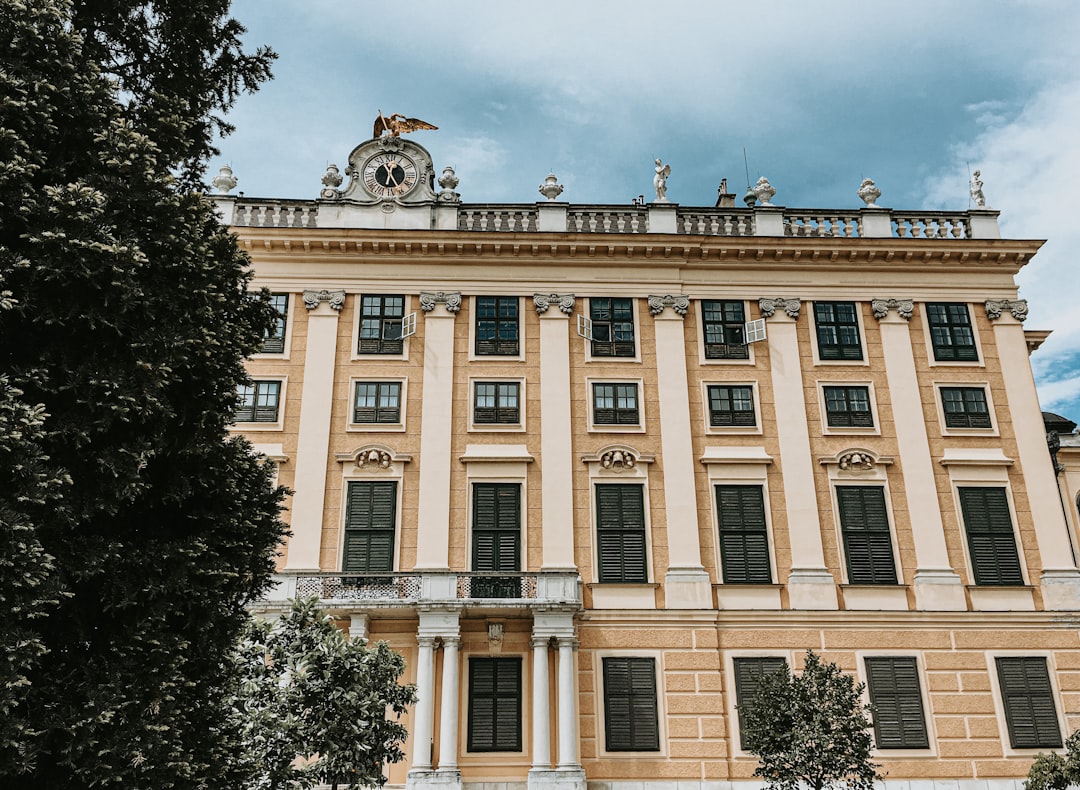
Vienna — Larger, more spread out. The Innere Stadt (1st district) is walkable end-to-end, but you’ll want the U-Bahn to reach Schönbrunn, MuseumsQuartier, or Belvedere. Public transport is superb — Vienna’s system routinely wins international awards — but tickets are more expensive.
Budapest — Split by the Danube (Buda on the west, Pest on the east). Pest is flat and walkable; Buda is hilly and requires the funicular or bus to reach the castle. The metro’s Line 1 is a UNESCO-listed 1896 marvel and one of the oldest in the world.
Food
Prague — Traditional Czech food is meat-heavy (svíčková, guláš, roast pork with dumplings), inexpensive, and generally excellent at unfussy pubs. The new-wave restaurant scene (Field, La Degustation, Sansho) has produced Michelin stars and creative modernizations. Beer is genuinely a food group here.
Vienna — Coffeehouse culture (Sacher, Central, Landtmann) is a UNESCO-listed intangible heritage; sit for two hours with one melange. Wiener Schnitzel, Tafelspitz, and the famous cakes (Sachertorte, Apfelstrudel) are the greatest hits. High-end dining is excellent but expensive.
Budapest — Goulash and paprika-heavy stews (pörkölt, halászlé) dominate. The Central Market Hall is the best food hall in the region for casual eating and produce browsing. Ruin bars serve surprisingly good food alongside cheap wine and craft beer.
What’s genuinely unique in each city
Prague’s uniques
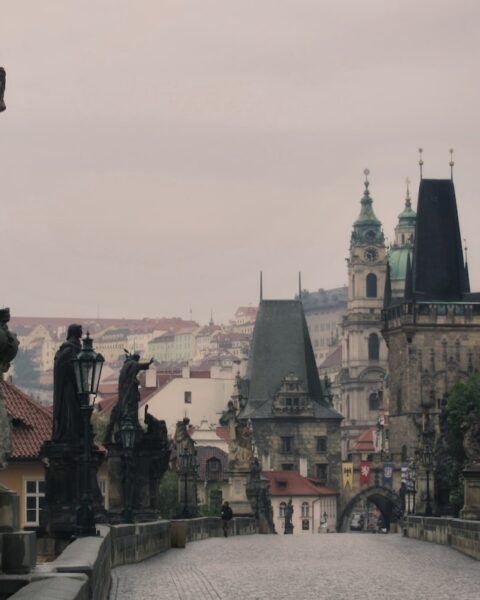
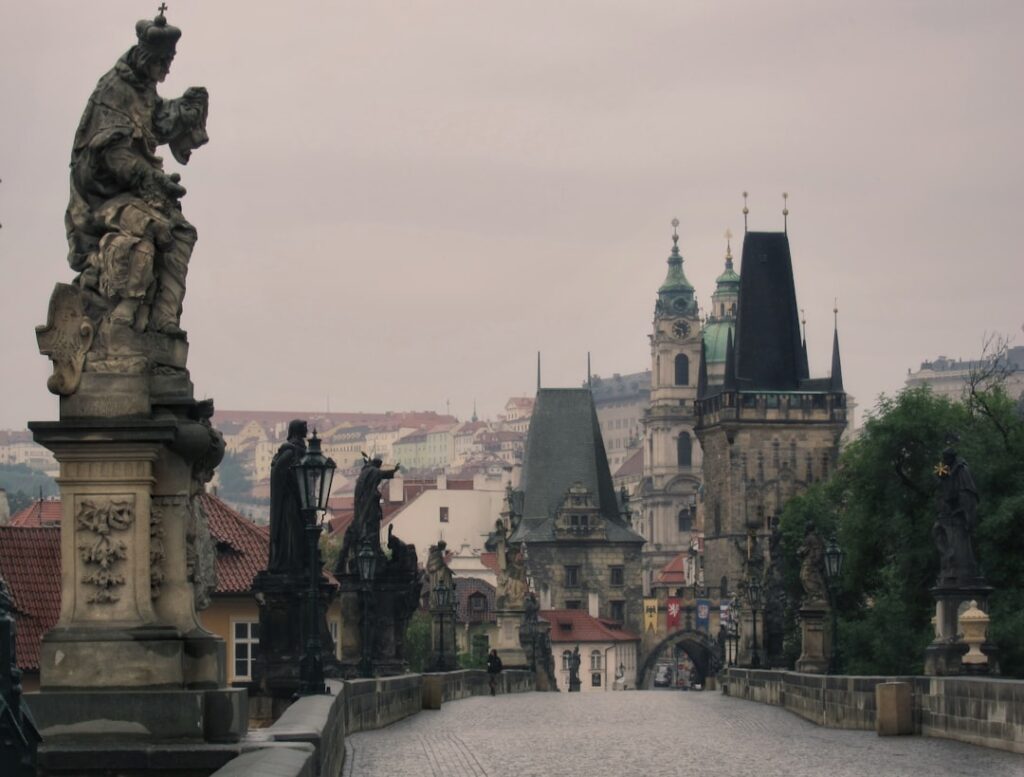
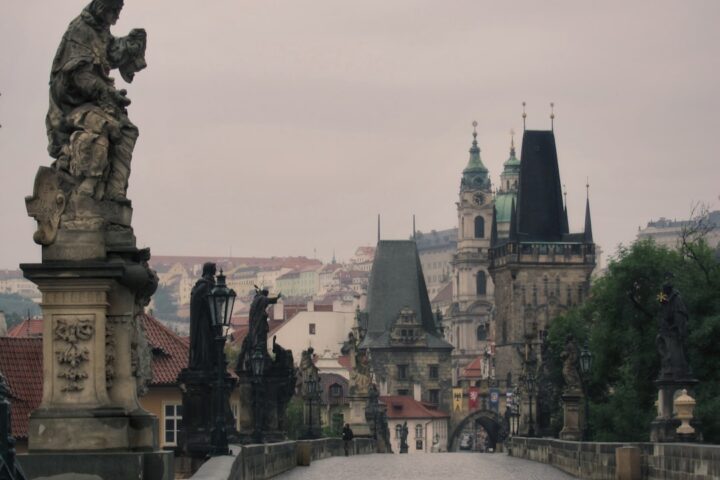
- Charles Bridge at 6 a.m. before the crowds arrive.
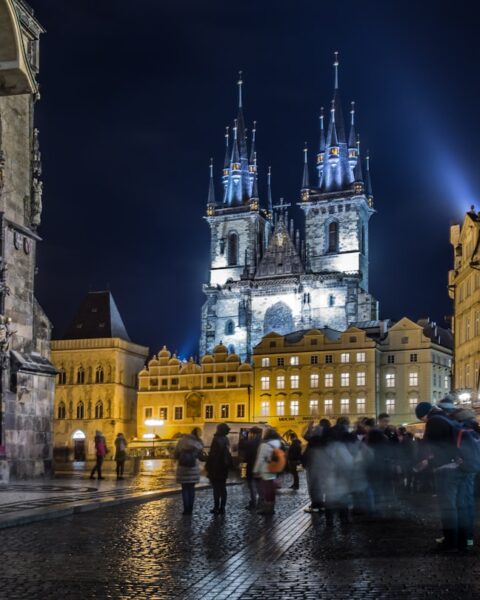
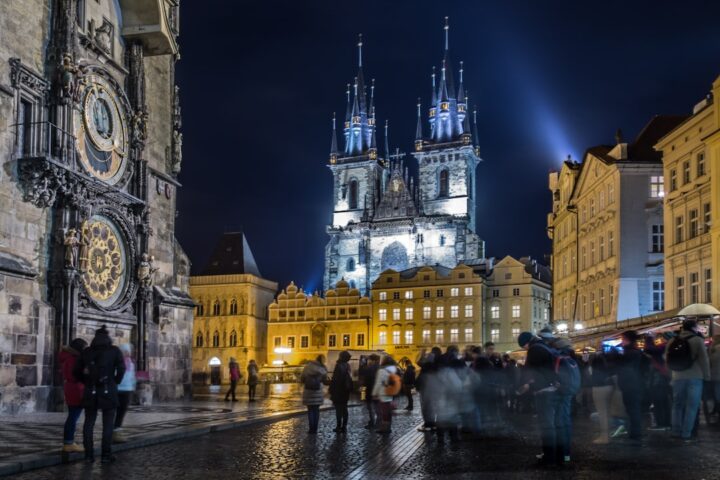
- The astronomical clock’s hourly parade on the Old Town square (touristy but genuinely charming).
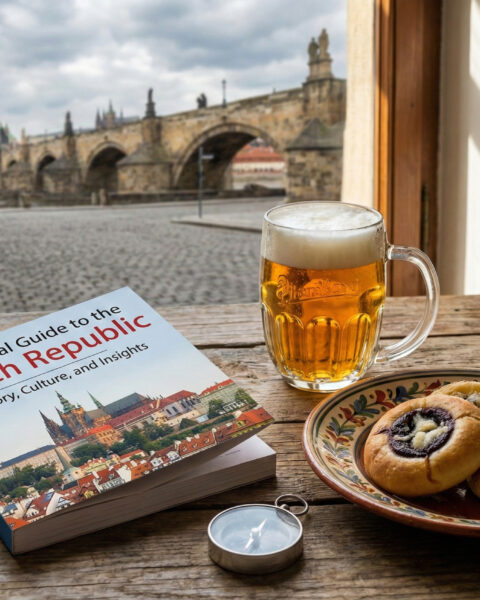
- Beer culture — Plzeňský Prazdroj, Staropramen, Budvar, and dozens of microbrewery pubs.
Vienna’s uniques
- Kunsthistorisches Museum — one of the world’s great art museums, particularly for Bruegel and Vermeer.
- Opera at the Staatsoper for €10 standing tickets.
- The Vienna State Ball season (January–March) if you happen to be there.
Budapest’s uniques
- Széchenyi and Gellért thermal baths — swimming in 38°C water outdoors in winter is a Central European experience nowhere else offers at scale.
- Ruin bars in the Jewish Quarter (Szimpla Kert is the original).
- Fisherman’s Bastion at sunset over the Danube.
Combining the three
If you’re doing all three, the classic route is Prague → Vienna → Budapest by RegioJet or ÖBB train (~4 hours Prague-Vienna, ~2.5 hours Vienna-Budapest). Budget 3–4 nights per city.
- Prague → Vienna: RegioJet has direct trains for €19–39, ÖBB Railjet for €29–59.
- Vienna → Budapest: ÖBB Railjet or MÁV, €19–39 in advance.
- Prague → Budapest direct: RegioJet operates several daily trains, ~7 hours, €29–49.
Travel gear that pays for itself across three cities
- Osprey Farpoint 40 travel backpack — carry-on sized, laptop compartment, opens like a suitcase. Ideal for multi-city trips where you’re on and off trains.
- Lonely Planet Central Europe guidebook — covers all three cities in one book.
- Anker 313 wall charger with USB-C — Type-E/F sockets in all three; a good charger avoids buying adapters.
- Zero Grid RFID travel wallet — cards, cash, and passport for the border crossings.
FAQ
Is it worth doing all three cities in one week?
Doable but rushed — you’ll get one full day and a travel day in each. Two cities in a week is more comfortable.
Which city has the best free things to do?
Prague — the Old Town, Charles Bridge, the castle grounds, and most parks are all free.
Which is the safest at night?
All three rank among the safest capitals in Europe. Petty theft (pickpocketing on trams and around tourist landmarks) is the main risk in each; violent crime is very rare.
Where’s the best base for exploring the region?
Prague — direct trains to Vienna, Budapest, Berlin, Dresden, and Munich, and low-cost flights across Europe from Václav Havel Airport.