

The Origins of Prague’s Architectural Heritage
Prague’s architectural heritage boasts a rich tapestry of influences that date back to the city’s earliest origins. The earliest architectural styles found in Prague can be traced back to the Romanesque period, during the 10th and 11th centuries. Characterized by its sturdy stone structures and semicircular arches, Romanesque architecture can still be seen in remnants such as the crypt of the Basilica of St. George.

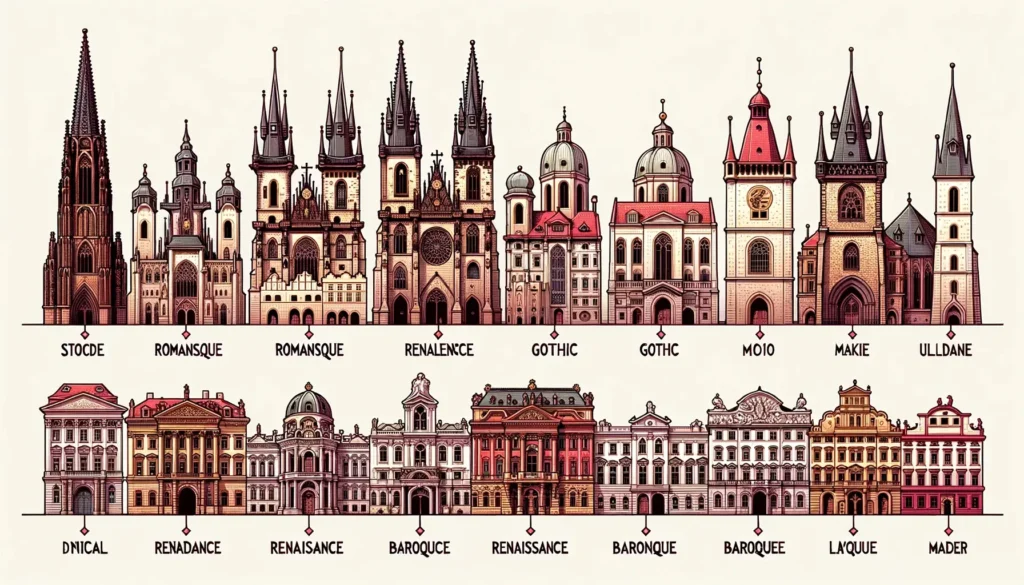
Following the Romanesque era, Prague experienced a wave of Gothic architecture during the 13th to 15th centuries. This period saw the construction of iconic structures like the breathtaking St. Vitus Cathedral, with its soaring spires and intricate detail. Gothic architecture in Prague, with its emphasis on pointed arches and ribbed vaults, left an indelible mark on the city’s skyline, setting the stage for the architectural splendor yet to come.
Gothic Splendor: Prague’s Medieval Architecture
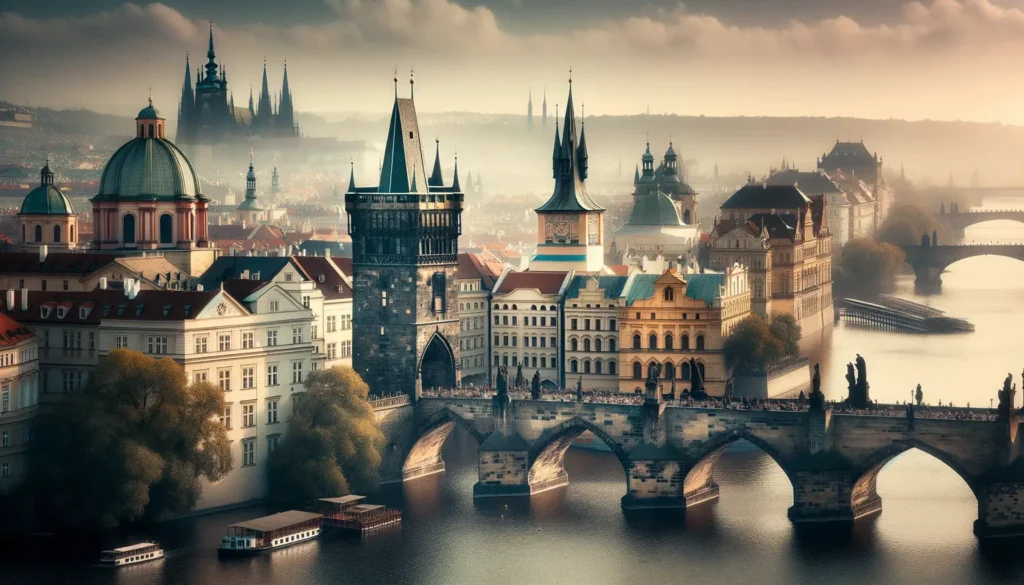
A visit to Prague is a journey back in time, where the city’s medieval architecture stands as a testament to its rich and storied past. From towering cathedrals to imposing castles, Prague’s Gothic splendor is a sight to behold. Its origins can be traced back to the 14th century, when Bohemian rulers embraced the Gothic style, leaving an indelible mark on the city’s skyline.
The most iconic example of Prague’s medieval architecture is the magnificent Prague Castle. Perched atop a hill overlooking the city, it is the largest ancient castle complex in the world. Its Gothic elements, such as the soaring spires and intricate stone carvings, exude an air of grandeur and majesty. Inside, visitors can explore the impressive St. Vitus Cathedral, a masterpiece of Gothic architecture with its intricate stained glass windows and ornate vaulted ceilings. The castle’s other structures, including the Royal Palace and the Powder Tower, also showcase the city’s medieval heritage. Strolling through the cobbled streets of Old Town, one encounters the famous Astronomical Clock with its ornate Gothic detailing, a symbol of Prague’s rich architectural heritage. From the smallest details to the grandest structures, Prague’s medieval architecture is a captivating blend of beauty and history.

Renaissance Revival: Prague’s Architectural Renaissance
Prague’s architectural scene experienced a significant transformation during the Renaissance period, as the city became a hub of artistic and intellectual activity. The Renaissance revival in Prague mirrored the broader European movement, characterized by a renewed appreciation for classical forms and a focus on humanism. Architects drew inspiration from Italian Renaissance masters, such as Alberti and Palladio, while infusing their own unique touches to create a distinct architectural style that showcased the city’s cultural prowess.
The Renaissance influence can be seen in a number of Prague’s iconic structures. One notable example is the Prague Castle, which underwent extensive renovations during this time. The castle’s façade was adorned with intricate detailing, including classical motifs, pilasters, and frescoes, embodying the elegance and grandeur of the Renaissance style. Additionally, the Mala Strana district saw the construction of numerous palaces and townhouses, boasting ornate facades, spacious courtyards, and richly decorated interiors. These architectural marvels stand as testaments to the city’s reawakening during the Renaissance and continue to captivate visitors with their timeless beauty.
The Baroque Era: Prague’s Magnificent Palaces and Churches
During the Baroque era, Prague experienced a transformation in its architectural landscape, with the construction of magnificent palaces and churches that still awe visitors today. This period, characterized by its opulence and grandeur, saw the city become a hub of artistic expression and religious devotion.
One of the most iconic examples of Baroque architecture in Prague is the St. Nicholas Church in the Lesser Town. Designed by renowned architect Kilian Ignaz Dientzenhofer, the church showcases the lavish ornamentation and intricate details that are characteristic of the Baroque style. Its awe-inspiring dome and ornate interior make it a must-visit for architecture enthusiasts.
Another architectural gem of the Baroque era is the stunning Troja Palace, located on the outskirts of Prague. Designed by Jean-Baptiste Mathey, this palatial residence is known for its impressive size and symmetrical layout. The palace’s exterior features elaborate stucco decorations and statues, while the interior boasts beautifully adorned salons and a breathtaking staircase.
The Baroque era brought a sense of theatricality and exuberance to Prague’s architectural scene, leaving behind a legacy of magnificent palaces and churches that continue to inspire awe and admiration today.
Prague’s Art Nouveau Gems: A Modern Twist in Architecture
Prague’s Art Nouveau Gems: A Modern Twist in Architecture
Art Nouveau, with its focus on organic forms and decorative motifs, made a lasting impression on Prague’s architectural landscape during the late 19th and early 20th centuries. This architectural style, also known as Jugendstil, swept through the city, with its vibrant facades and intricate detailing, leaving behind a collection of stunning buildings that still captivate visitors today.
One of the notable examples of Art Nouveau in Prague is the Municipal House. Built between 1905 and 1911, this grand structure showcases the best of the style, from its elaborate mosaics to its elegant wrought ironwork. The interior is just as impressive, with a concert hall adorned with opulent chandeliers and delicate stained glass windows. The Municipal House stands as a testament to the Czech Republic’s commitment to preserving its architectural heritage, as it has been meticulously restored and remains a cultural hub hosting concerts, exhibitions, and other events of international repute.
The Influence of Czech Cubism on Prague’s Architecture
Czech Cubism, a distinctive art movement that emerged in the early 20th century, had a profound influence on Prague’s architecture. With its emphasis on geometric forms, sharp angles, and innovative design, Czech Cubism challenged the traditional notions of architecture and pushed the boundaries of creativity. This avant-garde movement, although short-lived, left a lasting impact on Prague’s architectural landscape.
One notable example of Czech Cubism in Prague is the famous House of the Black Madonna, designed by architect Josef Gočár. Completed in 1912, this iconic building showcases the tenets of Cubist architecture, with its intricate facade featuring angular lines, geometric shapes, and asymmetric windows. The interior of the building also embraces the Cubist aesthetic, with angular furniture and decorative elements that complement the overall design. The House of the Black Madonna stands as a testament to the bold experimentation and innovative spirit of Czech Cubism in Prague’s architectural history.
Prague’s Functionalist Movement: Modernism Takes Center Stage
Prague’s Functionalist Movement emerged in the early 20th century as a response to the growing demands of modern society. This architectural style, characterized by its emphasis on functionality and simplicity, aimed to reconcile the city’s rich history with the need for practicality and efficiency. The result was a collection of buildings that not only reflected the innovative spirit of the time but also blended seamlessly into Prague’s urban fabric.
One of the most prominent examples of Prague’s Functionalist architecture is the Villa Müller, designed by renowned architect Adolf Loos. Completed in 1930, this family home embraces the principles of functionality and minimalism, boasting clean lines, large windows, and an open floor plan. The design prioritized natural light and ventilation, with the integration of terraces and balconies that seamlessly connect the interior with the surrounding gardens. The Villa Müller stands as a testament to the Functionalist movement’s ability to create harmonious living spaces that cater to the needs and aspirations of the modern Prague resident.
Brutalist Architecture in Prague: The Raw Beauty
Brutalist architecture in Prague showcases a raw beauty that captivates visitors and locals alike. Defined by its bold, massive forms and exposed concrete surfaces, this architectural style emerged in the 20th century as a response to the prevailing trends of the time. Its uncompromising and unapologetic design philosophy challenged conventional notions of beauty, creating a distinct visual language that both inspires and divides.
Prague’s collection of Brutalist buildings exemplifies the city’s commitment to embracing diverse architectural styles. The rawness of these structures is a reflection of their uncompromising nature, as they reject embellishments and decorative elements in favor of raw materials and a focus on form and function. From the imposing Hotel International to the striking Functionalist Zizkov Television Tower, these buildings leave a lasting impression on those who encounter them, inviting admiration, contemplation, and sometimes even controversy.
Contemporary Architectural Marvels: Prague’s New Horizon
Prague’s architectural landscape continues to evolve with the addition of its contemporary marvels, showcasing the city’s new horizon. The designs of these modern structures are a blend of innovative concepts and traditional elements, blending seamlessly into the historical fabric of the city.
Among these architectural gems is the Dancing House, an iconic symbol of modern Prague. Designed by Frank Gehry and Vlado Milunic, the building stands out with its unconventional design resembling a pair of dancers. The combination of curved and linear forms creates a dynamic and visually captivating structure that pays tribute to the city’s artistic spirit. With its panoramic rooftop terrace offering breathtaking views of Prague’s skyline, the Dancing House has become a must-visit destination for locals and tourists alike.
Preserving Prague’s Architectural Legacy: Restoration and Conservation Efforts.
Preserving Prague’s architectural legacy is an essential endeavor for the city and its inhabitants. As a city known for its rich architectural history dating back centuries, Prague takes great pride in protecting and restoring its historic buildings and landmarks. Extensive restoration and conservation efforts are undertaken to ensure that these structures maintain their original beauty and integrity for future generations to appreciate and cherish.
The restoration process often involves a meticulous and comprehensive approach. Skilled craftsmen and experts work diligently to repair any damage, restore faded colors, and replace deteriorated elements, while striving to maintain the authenticity and historical accuracy of the original design. This requires meticulous research and analysis of historical records, as well as employing traditional building techniques and materials whenever possible. Through these efforts, Prague’s architectural treasures are not merely preserved, but also brought back to life, allowing visitors and locals alike to experience the true grandeur and charm of the city’s past.