


The Historical Context: Understanding the Renaissance Revival in Czech Towns and Cities
During the late 19th and early 20th centuries, the Czech lands experienced a resurgent interest in Renaissance art and architecture. This revival was influenced by a growing sense of national identity and an appreciation for the country’s rich cultural heritage. The Renaissance Revival movement sought to emulate the architectural and artistic styles of the Renaissance period, which flourished in Europe between the 14th and 17th centuries. Architects and artists looked to iconic Renaissance buildings and artworks for inspiration, adapting and incorporating these elements into new constructions across Czech towns and cities.
The Renaissance Revival in Czech towns and cities was also closely intertwined with the broader cultural and political history of the region. It emerged during a period of significant social and economic change, as the Czech lands transitioned from being part of the Austro-Hungarian Empire to becoming an independent republic. As Czech society grappled with these transformations, there was a renewed emphasis on celebrating national identity and fostering a sense of pride in the country’s historical legacy. The Renaissance Revival movement provided a means to visually manifest these aspirations, with its grandiose buildings and intricate artistic expressions serving as symbols of Czech cultural heritage and innovation.
Influential Figures: Exploring the Artists and Architects Behind the Renaissance Revival
One of the key figures who played a pivotal role in the Renaissance Revival movement in Czech towns and cities was Jan Blazej Santini-Aichel. A renowned architect of the 18th century, Santini-Aichel is celebrated for his unique blend of Baroque and Gothic styles, which became characteristic of the Renaissance Revival in the Czech Republic. His innovative designs, such as the Church of St. John of Nepomuk in Zelena Hora, showcase his mastery of intricate detail and his ability to create harmonious spaces that inspire awe and reverence.
Another notable artist who left a lasting impact on the Renaissance Revival in Czech architecture was Josef Mocker. Mocker, an architect and restorer, was highly influenced by Gothic Revival architecture and incorporated these elements into his works during the 19th century. His restorations of historic buildings, including the St. Vitus Cathedral in Prague, helped to preserve Czech heritage while also infusing a sense of grandeur and elegance that was characteristic of the Renaissance Revival. Mocker’s emphasis on authenticity and his attention to detail made him a revered figure in the field, and his contributions continue to be admired and studied by architects and art enthusiasts alike.
Architectural Elements: Examining the Characteristics of Renaissance Revival Buildings
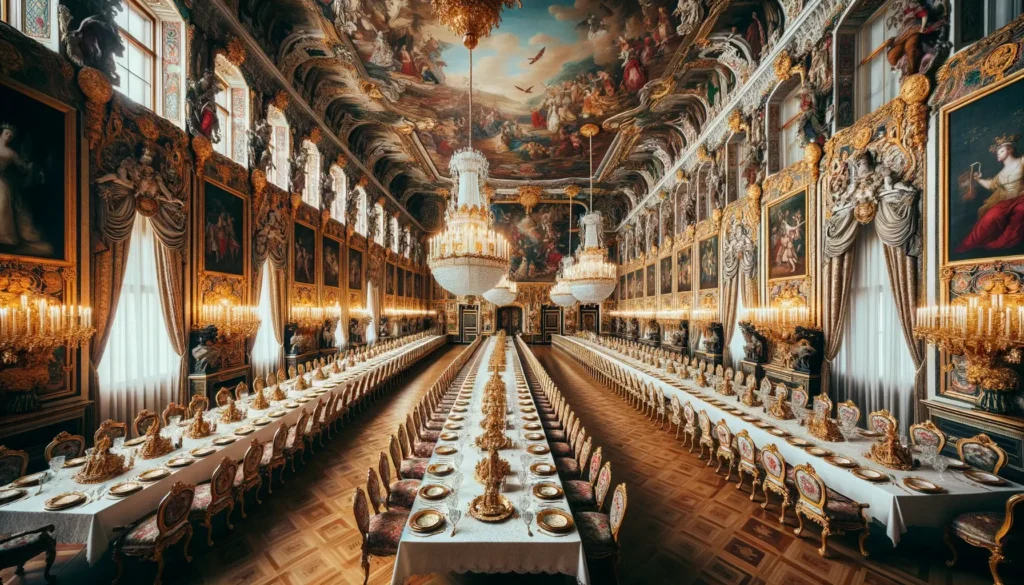
The Renaissance Revival architectural style draws its inspiration from the grandeur and elegance of the Renaissance period. Buildings in this style feature a harmonious blend of classical elements and ornate detailing, creating an aesthetic that exudes sophistication and refinement. One of the prominent characteristics of Renaissance Revival buildings is the emphasis on symmetry. The facades are often symmetrical, with balanced proportions and a clear division into separate sections. This focus on symmetry reflects the Renaissance ideals of order and harmony, which were highly revered during this period.
Another hallmark of Renaissance Revival architecture is the incorporation of classical motifs and ornamentation. Buildings in this style often feature elaborate cornices, pilasters, and pediments, inspired by the architectural vocabulary of ancient Rome and Greece. These decorative elements add richness and visual interest to the facades, conveying a sense of opulence and prestige. Additionally, Renaissance Revival buildings frequently incorporate elements such as domes, arches, and columns, which further contribute to the grandeur and majesty of the overall design.
In conclusion,
In summary, the Renaissance Revival architectural style is characterized by its emphasis on symmetry, classical motifs, and ornate detailing. Buildings constructed in this style exude a sense of grandeur and elegance, drawing inspiration from the architectural achievements of the Renaissance period. The incorporation of elements such as symmetrical facades, classical ornamentation, and grand structural elements creates a visual language that communicates prestige and sophistication. The characteristics of Renaissance Revival buildings are a testament to the timeless appeal and enduring legacy of this architectural style.
Urban Planning: How the Renaissance Revival Transformed the Layout of Czech Towns and Cities
The Renaissance Revival in Czech towns and cities brought about a significant transformation in urban planning. Inspired by the grandeur of Italian Renaissance cities, Czech architects and city planners sought to recreate the aesthetic and functionality of this period in their own urban landscapes.
One of the key elements that defined the Renaissance Revival in urban planning was the introduction of formalized city squares and boulevards. These spaces were designed to be spacious, symmetrical, and lined with elegant buildings that reflected the architectural style of the Renaissance. The inclusion of these grand public spaces not only enhanced the overall beauty of the towns and cities, but also served as social and cultural hubs where people could gather, interact, and engage in various activities. Additionally, the Renaissance Revival brought about a renewed emphasis on the concept of urban vistas and sightlines. Strategic placement of buildings and the inclusion of wide streets and avenues allowed for breathtaking views of important landmarks, creating a sense of harmony and architectural unity throughout the cityscape.
Cultural Impact: Unveiling the Influence of the Renaissance Revival on Czech Society
The Renaissance Revival in Czech towns and cities had a profound cultural impact on Czech society. During this period, there was a strong revival of interest in the arts, literature, and learning, which had a significant influence on the overall cultural climate. The Renaissance ideals of humanism, individualism, and rationalism permeated various aspects of Czech society, leading to a flourishing of intellectual and artistic pursuits.
One of the key cultural impacts of the Renaissance Revival was the emphasis on education and knowledge. The revival of interest in classical literature and philosophy led to the establishment of schools and universities, where Czech intellectuals could pursue their studies. This focus on education fostered a more intellectually curious and enlightened society, with an increased appreciation for literature, science, and critical thinking. The Renaissance Revival also saw the patronage of arts and artists by the wealthy and influential, resulting in the creation of many masterpieces that enriched Czech cultural heritage. From majestic paintings to intricate sculptures and decorative arts, these artistic expressions became an integral part of Czech society, symbolizing the newfound appreciation for creativity and aesthetic beauty.
Overall, the cultural impact of the Renaissance Revival on Czech society cannot be overstated. It transformed the intellectual landscape, nurtured a flourishing arts scene, and propelled the Czech people towards a more enlightened and culturally rich future. The legacy of this influential period can still be seen in the vibrant art scene and intellectual climate of the Czech Republic today.
Artistic Expressions: Discovering the Renaissance Revival in Czech Paintings, Sculptures, and Decorative Arts
During the Renaissance Revival in Czech art, the influence of Italian painting and sculpture became evident in the works of many Czech artists. Paintings began to embrace the principles of perspective and realistic representation, showcasing scenes from both biblical and historical narratives. Sculptors also drew inspiration from Italian masters, creating intricate and lifelike sculptures that adorned public spaces and private residences. The use of decorative arts, such as ceramics and glasswork, also flourished during this period, with craftsmen incorporating Renaissance motifs and techniques into their exquisite creations.
One notable artist of the period was Antonín Machek, known for his skillful use of perspective and attention to detail in his paintings. His works often depicted religious themes and scenes from Czech history, blending Italian influences with traditional Czech symbolism. Another influential figure was the sculptor Matěj Václav Jäckel, who specialized in creating baroque-style sculptures with an emphasis on intricate drapery and emotional expression. Through their art, these artists not only revitalized the Czech art scene but also contributed to the broader cultural dialogue of the Renaissance Revival in Europe.
Preservation Efforts: The Restoration and Conservation of Renaissance Revival Structures in Czech Towns and Cities
Preserving the rich architectural heritage of Renaissance Revival structures in Czech towns and cities is an undertaking of great importance. The restoration and conservation efforts are crucial not only for the sake of historical continuity but also for the cultural and educational value that these buildings bring to the communities they inhabit. Renowned architectural firms and specialists have been diligently working on various restoration projects, meticulously restoring intricate façades, preserving original features, and ensuring that these structures continue to stand as a testament to Czech history and artistry. Through meticulous research, delicate craftsmanship, and the use of authentic materials, these restoration projects aim to revive the splendor and grandeur of the Renaissance Revival style.
One of the key challenges faced in the restoration of Renaissance Revival structures is the need to strike a delicate balance between preserving the original architectural integrity and meeting present-day building standards. Preservation efforts involve not only repairing the visible damage but also addressing any hidden structural issues. This meticulous work requires skilled craftsmen who are well-versed in traditional building techniques and possess a deep understanding of the unique intricacies of the Renaissance Revival style. By employing a combination of traditional methods and modern technologies, these experts work tirelessly to ensure that the restored structures maintain their historical significance while also meeting the safety and functional requirements of the present era. The restoration process also includes comprehensive documentation, allowing future generations to learn from and appreciate the craftsmanship and design of these architectural treasures.
Regional Variations: Exploring the Unique Adaptations of the Renaissance Revival in Different Czech Regions
One of the fascinating aspects of the Renaissance Revival in Czech towns and cities is the diverse range of adaptations found across different regions. Each region in the Czech Republic put its own unique stamp on the architectural style, resulting in a rich tapestry of variations. From North Bohemia to South Moravia, the Renaissance Revival heritage is adorned with distinct local characteristics and influences, creating a captivating visual journey for those who appreciate architectural history.
In North Bohemia, for example, the Renaissance Revival buildings feature a strong Germanic influence blended with Czech architectural traditions. This region’s proximity to Germany facilitated the exchange of ideas and architectural techniques, resulting in a fusion of styles. The intricate stucco work, ornate balconies, and richly decorated facades of buildings in this region showcase the superb craftsmanship of the era. Moving further east to South Moravia, one can observe a different architectural interpretation of the Renaissance Revival. Here, the influence of Austrian and Hungarian architectural traditions is evident in the grandeur and sophistication of the buildings. The use of decorative elements such as elegantly crafted sculptures and intricate ironwork accents adds a touch of refined beauty to the region’s Renaissance Revival structures.
Economic Implications: Assessing the Role of the Renaissance Revival in the Development of Czech Towns and Cities
The Renaissance Revival in Czech towns and cities had significant economic implications, contributing to the development and prosperity of these regions. The revival of architectural styles and the restoration of historic buildings attracted tourists and visitors from near and far, stimulating the local economy. These visitors not only spent money on accommodation and dining but also on various cultural offerings, such as museum admissions and guided tours. With an increased influx of tourists, local businesses, including souvenir shops and artisans, flourished, creating job opportunities and generating income for the community.
Additionally, the Renaissance Revival played a vital role in attracting businesses and investments to Czech towns and cities. The restoration and preservation efforts not only enhanced the aesthetics of the urban landscape but also created an attractive and favorable environment for potential investors. As the Renaissance Revival buildings became symbols of cultural heritage and pride, they helped to build a positive image for these towns and cities, drawing attention and interest from both domestic and international companies. This influx of investment led to the establishment of new industries and businesses, driving economic growth and providing employment opportunities for the local population.
Contemporary Significance: Recognizing the Legacy of the Renaissance Revival in Modern Czech Architecture and Culture
In the realm of modern Czech architecture, the legacy of the Renaissance Revival continues to leave an indelible mark. The revivalist elements and design principles of this historical period can be seen in numerous contemporary structures throughout the country. Architects and designers draw inspiration from the grandeur and intricacy of Renaissance Revival buildings, incorporating elements such as arched doorways, ornate façades, and symmetrical layouts into their creations. By paying homage to this architectural style, modern Czech architecture not only celebrates the country’s rich history but also perpetuates a sense of cultural identity.
Beyond its influence on architecture, the Renaissance Revival also permeates modern Czech culture in various ways. The revivalist movement has sparked a renewed appreciation for art, sculpture, and decorative arts associated with this historical period. Artists, both established and emerging, explore themes and techniques reminiscent of the Renaissance era, infusing their works with a sense of timeless beauty and sophistication. Moreover, the Renaissance Revival serves as a reminder of the importance of preserving and conserving historical landmarks. Efforts to restore Renaissance Revival structures in Czech towns and cities not only honor the past but also provide valuable insight into the development of architectural styles over time.