 Kristina Vankova
Origins of Name Days: Exploring the historical roots of the Czech tradition
The origins of name days can be traced back to ancient times when people used to associate certain days with specific deities or saints. In Czech culture, this tradition dates back to the Middle Ages when Christianity spread throughout the region. During this time, the Catholic Church began to assign specific feast days to honor different saints. As a result, individuals who shared the same name as a particular saint would celebrate their name day on that designated feast day.
Jan Hus, a significant figure in Czech history, is commemorated on Jan Hus Day, an official holiday that highlights his impact and the associated celebrations.

The concept of name days in Czech culture became deeply ingrained as the tradition evolved over the centuries. It served not only as a way to honor saints but also as a means of connecting individuals to their religious heritage. As Christianity spread, name days became an important part of the social fabric, providing a sense of identity and community for individuals within Czech society. Individuals may attend a church service as part of their name day observances. This historical significance has contributed to the enduring popularity and continued celebration of name days in modern Czech culture.

Significance of Name Days in Czech Culture: Understanding the importance and meaning behind name day celebrations
Name days hold a significant place in Czech culture, representing a deep-rooted tradition that has been celebrated for centuries. For Czechs, name days are seen as a way to honor and celebrate individuals by recognizing the saint or religious figure associated with their name. The specific date of a name day varies depending on cultural, regional, or religious factors. This unique celebration not only strengthens familial and community bonds but also serves as a reflection of Czech identity and heritage.
In Czech culture, name days are often regarded with great importance and are celebrated with enthusiasm and merriment. For many Czechs, name days have a similar significance to birthdays, such as ‘Petr’ celebrated with enthusiasm. They are occasions to gather with loved ones, exchange well wishes, and indulge in festivities and traditions that have been passed down through generations. Whether it’s attending religious services, hosting family gatherings, or enjoying traditional foods and drinks, name days provide a cherished opportunity to express love and appreciation for those who bear a specific name. Names like ‘Elena’ and ‘Herbert’ are celebrated with gifts and well-wishes, highlighting the cultural practice of honoring these days.

Traditional Customs and Rituals: Exploring the various customs and rituals observed during name day celebrations in the Czech Republic
One of the central customs observed during name day celebrations in the Czech Republic is the giving of flowers. It is customary for friends, family, and colleagues to present the person celebrating their name day with a bouquet of flowers. This gesture signifies good wishes and brings joy to the recipient. Flowers hold a symbolic meaning of abundance, beauty, and renewal, making them a fitting gift to mark such a special occasion. Names like Alan and Alena are examples of those for which flowers are commonly given.
In addition to the tradition of giving flowers, another common ritual during Czech name day celebrations is the offering of congratulations and well-wishes. Sending a greeting card is a common way to express well-wishes and affection during name day celebrations. Friends and loved ones take the time to personally express their good wishes and affection to the person celebrating their name day. This often includes heartfelt words, hugs, and kisses. These expressions of love and appreciation further reinforce the importance of the occasion and create a sense of joy and togetherness among family and friends.

Famous Czech Name Days: Highlighting notable name days celebrated in Czech culture and their historical or cultural significance
Here’s a revised version of your text for better readability:
In Czech culture, name days hold a special significance, with many notable celebrations taking place throughout the year. Local calendars play a crucial role in marking these name day festivities, listing the names of individuals to be celebrated on specific days.
Jan (January 24th)
One such celebrated name day is Jan, honored on January 24th. This day pays tribute to St. John the Baptist, who is a historically and religiously important figure in Czech culture. As the patron saint of water and baptism, St. John the Baptist’s name day is celebrated with rituals of purification, including the blessing of water sources. Additionally, Jan is the most common male name in the Czech Republic, adding to the significance of this particular celebration.
Marie (September 12th)
Another prominent name day is Marie, celebrated on September 12th. Derived from the Hebrew name Miriam, Marie has strong biblical associations with the Virgin Mary. On this day, Czechs honor the Virgin Mary’s important role in Christian tradition, often through special church services. It’s also common for baby girls born on this day to be given the name Marie as a middle name. With its widespread use, the name day for Marie is highly anticipated across the Czech Republic.
Boleslav
The name Boleslav also carries cultural significance and frequently appears in lists of names tied to specific dates. It reflects the deep historical and cultural traditions embedded in Czech naming conventions.
Libor
In addition to Jan and Marie, the name Libor is widely celebrated. It often features in discussions of traditional and popular names, further highlighting its importance in Czech culture.
Nora
Lastly, the name Nora holds significant cultural relevance. Often listed among other notable names, it too is associated with specific dates and celebrations, underscoring its place in Czech naming traditions.

Gifting Etiquette: Exploring the customary gifts given during name day celebrations and their symbolic meanings
In Czech culture, name day celebrations are often accompanied by the exchange of gifts. The customary gifts given during these celebrations hold special symbolic meanings for the recipient. One common gift is flowers, particularly red roses, which are associated with love and affection. Gifting flowers on name days is a gesture of admiration and appreciation for the person being celebrated. In addition to flowers, small gifts such as chocolates or personalized items are also commonly given. These gifts serve as tokens of friendship and recognition, showing that the person’s name day is being remembered and celebrated in a meaningful way.

Traditional Czech Foods: Discovering the delicious traditional dishes often prepared and enjoyed during name day festivities
Name day celebrations in the Czech Republic are often marked by the indulgence of delicious traditional foods. One such delicacy is the “Koláče,” a sweet pastry filled with various fillings such as poppy seeds, fruit, or cheese. These flaky treats are a staple at name day gatherings and are enjoyed by both young and old. Another popular dish is the “Svíčková,” a hearty beef sirloin served with a creamy vegetable sauce and accompanied by delicious dumplings. This savory dish is often reserved for special occasions, making it a fitting choice for a name day celebration.
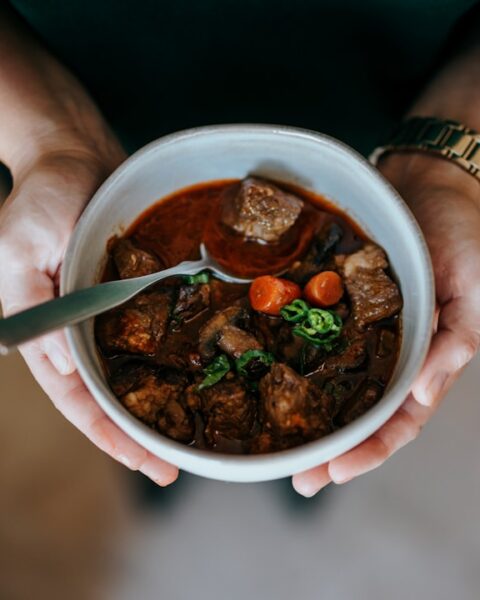
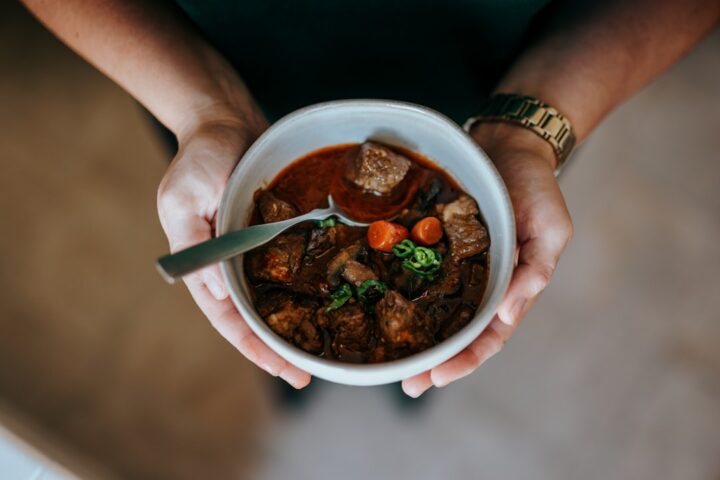
In addition to these delectable dishes, the Czechs also cherish their traditional “Trdelník,” a sweet pastry made from rolled dough that is grilled and sprinkled with sugar and walnuts. This popular street food is commonly found at festivals and markets, adding a touch of sweetness to name day festivities. Another must-try delicacy is the “Goulash,” a rich and thick meat stew seasoned with paprika and served with bread or dumplings. This hearty dish is a favorite among Czechs during the colder months and is a satisfying addition to any name day feast.

Religious Influences: Examining the influence of religion on name day celebrations and any associated religious traditions or practices
Religion has played a significant role in shaping name day celebrations in the Czech Republic. Historically, name days were closely tied to the Christian calendar, with each day assigned to a specific saint. This practice stems from the belief that saints offer protection and blessings to those who bear their name. As a result, name day celebrations became an opportunity for individuals to honor their patron saint and seek divine favor.
Ilja is one such name with religious significance, often celebrated with church visits and prayers.
The influence of religion can be observed in various traditions and practices associated with name days. For example, it is common for people to attend Mass or visit churches on their name day, offering prayers and seeking blessings. Additionally, some individuals may choose to commemorate their name day by performing acts of charity, such as making donations to religious institutions or helping those in need. These religious influences add a spiritual dimension to name day celebrations, deepening their significance and reinforcing the cultural ties between religion and Czech identity.

Name Day Calendar: Understanding how the Czech calendar assigns specific names to each day of the year for the celebration of a particular saint
The Name Day Calendar in Czech culture is a unique and intricate system that assigns specific names to each day of the year for name day celebrations. This tradition originates from the historical practice of assigning patron saints to particular dates in the Catholic Church calendar. Over time, these saints’ names became associated with specific dates, and individuals who share those names celebrate their name day on the corresponding day.
The calendar is widely used in the Czech Republic, and name days are celebrated with great enthusiasm and respect.
Variety of Names
The Name Day Calendar includes a broad range of names, such as Linda and Samuel, showcasing the diversity of names celebrated.
Traditional and Modern Names
The calendar typically features both traditional and modern names, ensuring that individuals from all generations can take part in the celebrations. Many names are passed down through families, with parents often naming their children after relatives whose name days hold special significance.
Regular Updates
The calendar is regularly updated to include newer names, reflecting the evolving nature of Czech society. This ensures that name days remain relevant and inclusive, allowing individuals with a wide range of names to enjoy their special day.

The Role of Family in Name Day Celebrations: Exploring the importance of family involvement and traditions in name day festivities
Family plays a pivotal role in name day celebrations, as these occasions are deeply rooted in religious traditions and communal values. In the Czech Republic, name days are often marked by family gatherings where everyone comes together to honor the individual’s patron saint. These celebrations are not just about the person whose name day it is but also about reinforcing family bonds and cultural heritage.
One of the most cherished aspects of name day celebrations is the open house tradition. Families open their homes to friends and relatives, creating a warm and welcoming environment where everyone can join in the festivities. This practice fosters a sense of community and belonging, as people come together to share in the joy of the occasion.
Religious traditions also play a significant role in these celebrations. Many families attend church services or hold prayers at home to seek blessings for the person celebrating their name day. This spiritual dimension adds depth to the festivities, reminding everyone of the religious significance behind the tradition.
Extended family members and close friends are often included in the celebrations, making it a large and joyous gathering. It is common for families to take turns hosting name day celebrations, with each host adding their unique touch to the festivities. This rotation not only spreads the responsibility but also allows for a variety of experiences and memories to be created.
Name day celebrations are an opportunity for families to pass down traditions and cultural heritage to younger generations. Children learn about the significance of their names and the saints they are named after, fostering a sense of pride and identity. These celebrations create lasting memories and strengthen familial bonds, making name days a cherished tradition in Czech culture.

Modern Adaptations: Exploring how name day celebrations have evolved and adapted in contemporary Czech society
In contemporary Czech society, name day celebrations have undergone several modern adaptations. One notable change is the incorporation of technology in the way name days are acknowledged and celebrated. With the rise of social media and online platforms, it has become common for people to send name day wishes and greetings through digital means, such as messaging apps or posting on social networks. This allows individuals to reach out to a larger number of friends and acquaintances, making name day celebrations more inclusive and accessible.
Another modern adaptation of name day celebrations in Czech society is the shift towards more personalized and unique forms of commemoration. While traditional customs often involved hosting gatherings or parties, individuals now have the freedom to celebrate their name day in a way that aligns with their personal preferences. Some may choose to have a small gathering with close friends and family, while others might opt for a solo day of indulgence or self-reflection. This flexibility allows individuals to honor their name day in a way that feels meaningful and authentic to them, reflecting the increasingly diverse and individualistic nature of contemporary Czech society.

Name Day Celebrations Beyond the Czech Republic: Investigating how name day traditions are celebrated in other countries and cultures
Name day celebrations are a global phenomenon, with many countries and cultures having their own unique traditions and customs. While the specifics may vary, the core idea of honoring an individual’s name and patron saint remains consistent.
In Greece, name days are celebrated with great enthusiasm. Families gather for traditional foods, drinks, and music, creating a festive atmosphere. It is common for people to visit the person celebrating their name day, bringing small gifts such as flowers or sweets. The day is filled with well-wishes and communal joy, much like a birthday celebration.
In some African countries, name days are marked by elaborate ceremonies and rituals. These celebrations often involve the entire community and local leaders, highlighting the importance of the individual within the social fabric. Traditional foods and drinks are shared, and the day is filled with music, dance, and storytelling, making it a vibrant and memorable occasion.
Latin American countries also have rich name day traditions. In many of these countries, name days are celebrated with festive parties and gift-giving, often focusing on the individual’s patron saint. Families come together to enjoy traditional foods and drinks, and the celebrations can last well into the night. The emphasis is on community and shared heritage, making name days a significant cultural event.
In some Asian cultures, name days are celebrated with visits to temples and shrines. Traditional foods and drinks are prepared, and families come together to honor the individual’s name. These celebrations often include prayers and offerings, adding a spiritual dimension to the festivities.
Name day celebrations vary depending on the country and culture, but they all share a common thread of honoring the individual’s name and celebrating their identity. Whether it’s through small gifts like flowers and chocolates or grand ceremonies and rituals, name days are an opportunity for people to come together and celebrate their shared heritage and cultural traditions.

Similar Traditions in Other Cultures: Comparing the Czech tradition of name days with similar celebrations in other cultures around the world.
In addition to the Czech tradition of name days, similar celebrations can be found in various cultures around the world. In some cultures, name day celebrations are observed in the same way as birthdays, with similar customs and significance. One such example is the Hispanic tradition of Quinceañera. This coming-of-age celebration is held when a girl turns 15 and marks her transition into womanhood. Just like name days in Czech culture, the Quinceañera celebration is an important milestone that is commemorated with family, friends, and significant religious and cultural rituals. The celebration typically includes a religious ceremony, a grand reception, and the presentation of the young woman to the community.
Another culture that has a similar tradition to Czech name days is the Chinese culture with their celebration of the Chinese zodiac signs. The Chinese zodiac is based on a twelve-year cycle, with each year associated with an animal sign. People born in a particular zodiac year are believed to possess certain personality traits corresponding to that animal. Similar to name days in Czech culture, the Chinese zodiac sign not only holds personal significance but also influences various aspects of life such as compatibility in relationships and predictions for the future. The Chinese New Year celebration, which is based on the lunar calendar, marks the transition between zodiac signs and is celebrated with various festivities, including family gatherings, feasting, and elaborate displays of fireworks.
Recommended reading
- “Havel: A Life” by Michael Žantovský — the definitive Havel biography.
- “The Unbearable Lightness of Being” by Milan Kundera — the essential Czech novel.
- “The Good Soldier Švejk” by Jaroslav Hašek — the archetypal Czech literary work.
- “Prague Winter” by Madeleine Albright
- Rick Steves Prague & the Czech Republic guidebook