

In a harrowing incident that has sent shockwaves through the Middle East and beyond, two bombs exploded minutes apart during a commemoration ceremony in Kerman, Iran, for a prominent Iranian general slain in a U.S. drone strike in 2020. The blasts, which occurred near the gravesite of Gen. Qassem Soleimani, the head of the Revolutionary Guard’s elite Quds Force, claimed the lives of at least 103 people and wounded at least 188 others. This devastating event marks one of the deadliest militant attacks to target Iran since its 1979 Islamic Revolution.

The commemoration was held to mark the fourth anniversary of Gen. Soleimani’s killing, an event that has drawn large processions in the past. Soleimani, known as the architect of Iran’s regional military activities and a national icon among supporters of Iran’s theocracy, had risen to prominence after the 2003 U.S. invasion of Iraq. His death in January 2020 by a U.S. drone strike had previously led to a massive funeral procession in Kerman, where a stampede resulted in the deaths of at least 56 people.
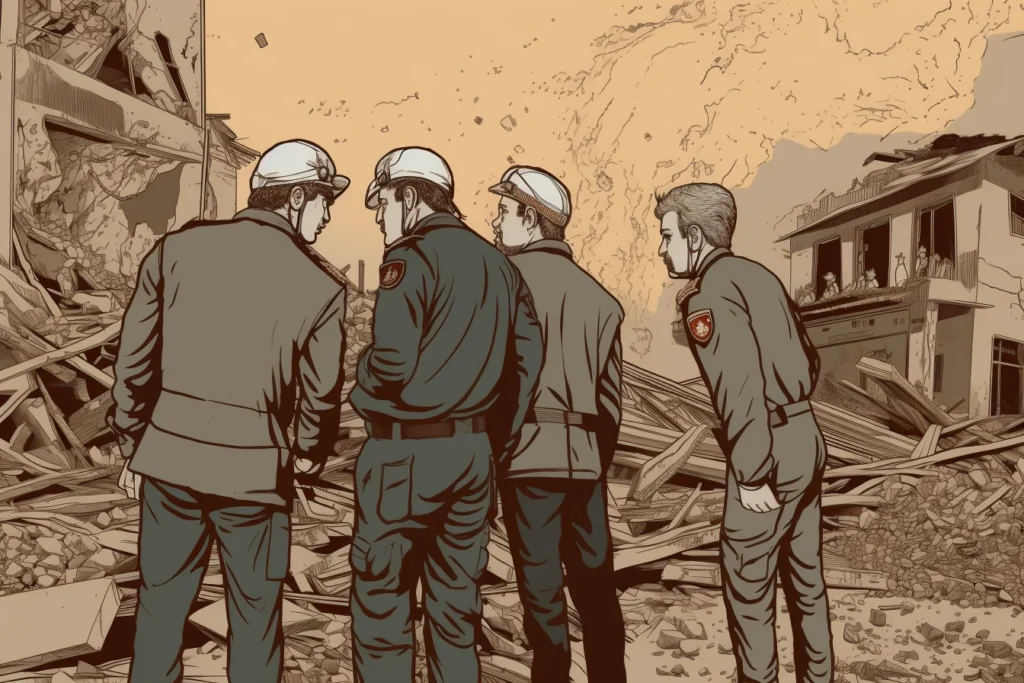
The twin explosions, which occurred around 3 p.m. local time, were described by Iranian state television and officials as bombings, though no immediate details were given about the nature of the devices used. The second blast, occurring some 20 minutes after the first, was particularly deadly, a tactic often used by militants to target emergency personnel responding to the scene and inflict more casualties.
The city of Kerman, located about 820 kilometers (510 miles) southeast of the capital, Tehran, was thrown into chaos as shrapnel hurtled into a crowd fleeing the first explosion. The casualty figures rose rapidly in the hours following the explosions, with emergency officials quoted by Iranian state TV and the state-run IRNA news agency.
While no group immediately claimed responsibility for the attack, Iran has multiple foes, including exile groups, militant organizations, and state actors, who could be behind the assault. Historically, Sunni extremist groups like the Islamic State have conducted large-scale attacks that killed civilians in Shiite-majority Iran, though not in the relatively peaceful Kerman. The country has also seen mass protests in recent years, including those over the death of 22-year-old Mahsa Amini in 2022, and has been targeted by exile groups in attacks dating back to the turmoil surrounding its 1979 Islamic Revolution.
Iran’s involvement in arming militant groups over the decades, including Hamas, the Lebanese Shiite militia Hezbollah, and Yemen’s Houthi rebels, adds complexity to the situation. As Israel wages its devastating war in Gaza after Hamas’ Oct. 7 attacks, both Hezbollah and the Houthis have launched attacks targeting Israel, claiming solidarity with the Palestinians.
The attack in Kerman comes at a time when the Middle East remains on edge, with tensions heightened by recent developments, including Israel’s war on Hamas in the Gaza Strip and the suspected Israeli attack that killed a deputy head of Hamas in Beirut. The region, already a tinderbox of conflicts and rivalries, now faces the aftermath of one of its deadliest attacks in recent history.
Soleimani’s legacy, both revered and reviled, continues to cast a long shadow over the region. His role in shaping Iran’s military strategy and influence in the Middle East has made him a figure of significant geopolitical importance. The attack on his commemoration ceremony not only represents a tragic loss of life but also underscores the ongoing volatility and deep-seated animosities that plague the region.
As the world watches, questions abound regarding the perpetrators and their motives, the implications for regional stability, and how Iran and other affected parties will respond. The tragedy in Kerman is a stark reminder of the fragility of peace in the Middle East and the human cost of its enduring conflicts. As the dust settles and the dead are mourned, the quest for answers and accountability begins, with the hope that such a catastrophe will not be repeated.