cooperativ
Origins: Tracing the historical roots of Czech soup culture
The origins of Czech soup culture can be traced back to ancient times, where soups were a staple of Czech cuisine. The historical roots of this culinary tradition can be found in the geographical location of the Czech Republic, which provides an abundance of natural resources such as forests, lakes, and fields. These resources have shaped not only the ingredients but also the cooking methods used in Czech soups.
The traditional Czech soups were primarily based on seasonal and locally available ingredients. For example, during the cold winter months, hearty soups made with root vegetables, legumes, and various cuts of meat were commonly prepared. In contrast, during the summer, light and refreshing soups featuring fresh herbs, garden vegetables, and cold dairy products were favored. These variations in ingredients reflect the close connection between Czech soup culture and the changing seasons, as well as the importance of utilizing the bounties of the land.
Traditional Ingredients: Exploring the key components of Czech soups
Czech soups are known for their rich and hearty flavors, which are achieved through the use of traditional ingredients that have been passed down through generations. One of the key components found in many Czech soups is the humble root vegetable: the potato. Potatoes add substance and body to soups, creating a comforting and satisfying base. They are often paired with other vegetables, such as carrots, onions, and celery, to enhance the flavor profile and add depth to the dish.
Another essential ingredient in Czech soups is the use of meat, typically pork or beef. The meat is often simmered for a long period of time to extract its flavors and create a savory broth. The addition of meat not only adds protein to the soup but also imparts a rich and robust taste. Along with the meat, the Czechs also utilize various herbs and spices to season their soups. Common herbs include marjoram, parsley, and bay leaves, which contribute to the aromatic qualities of the dish. These traditional ingredients are what give Czech soups their distinct taste and make them a beloved part of the country’s culinary heritage.
• Potatoes add substance and body to Czech soups, creating a comforting and satisfying base.
• Other vegetables like carrots, onions, and celery are often paired with potatoes to enhance the flavor profile.
• Pork or beef is commonly used in Czech soups, simmered for a long time to extract flavors and create a savory broth.
• The addition of meat adds protein and imparts a rich and robust taste to the soup.
• Various herbs such as marjoram, parsley, and bay leaves are used to season Czech soups.
• These herbs contribute to the aromatic qualities of the dish.
• Traditional ingredients like potatoes, meat, and herbs give Czech soups their distinct taste.
Regional Variations: Examining the different soup styles across Czech regions
When it comes to Czech cuisine, the regional variations of soup styles are truly intriguing. The distinct geographical regions of the Czech Republic have contributed to the development of unique soup recipes, each with its own flavors and ingredients. In the Bohemian region, for example, the popular Kulajda soup takes prominence. Made with potatoes, mushrooms, and dill, this creamy delicacy is often enhanced with the addition of vinegar, eggs, and sour cream.
Moving towards the Moravian region, one can discover the renowned Česnečka soup. Known for its strong garlic flavor, this soup is typically made with a base of broth, potatoes, garlic, and croutons. Variations of Česnečka can include the addition of sausage, mushrooms, or cheese, depending on the preferences of the particular region. Overall, the regional variations of Czech soups offer a captivating insight into the diverse culinary traditions found throughout the country.
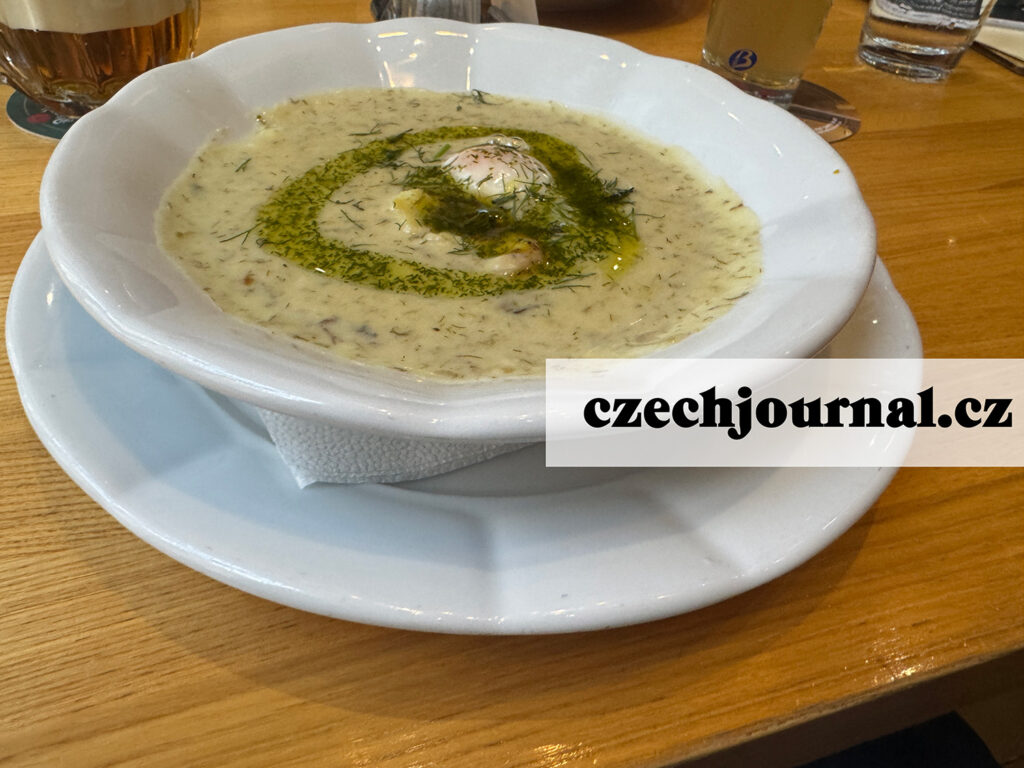
Kulajda: Unveiling the secrets of this iconic Czech potato and mushroom soup
The iconic Czech soup, Kulajda, is a beloved dish that has been enjoyed for generations. This unique soup combines the earthy flavors of potatoes and mushrooms with a tangy twist of vinegar and the creaminess of sour cream. Its origins can be traced back to the Czech region of South Bohemia, where it was traditionally made by using locally sourced ingredients.
The secret to the distinct taste of Kulajda lies in the combination of ingredients and the cooking process. Freshly picked forest mushrooms, such as chanterelles or porcinis, are sautéed with onions and then simmered in a rich vegetable broth. Potatoes are then added, creating a hearty base for the soup. This warm and comforting dish is further elevated by the addition of dill, which adds a fragrant and refreshing touch to the overall flavor profile. Whether enjoyed as a starter or a main course, Kulajda continues to captivate the taste buds of Czech locals and visitors alike.
Česnečka: A closer look at the popular garlic soup and its variations
Česnečka, a popular garlic soup, holds a special place in Czech cuisine. Known for its strong, pungent flavors, this soup has become a staple in many households and restaurants across the country. The base of Česnečka is typically made with vegetable or meat broth, infused with generous amounts of garlic. The addition of finely chopped onion and potato gives the soup a hearty texture, while the use of dried marjoram adds a subtle herbaceous note.
While Česnečka is traditionally enjoyed as a standalone dish, variations of this soup can be found throughout different regions of Czechia. In some areas, bits of bread are added to the soup, creating a thicker consistency and a more substantial meal. Other variations may include the addition of sliced sausage or croutons for added flavor and texture. No matter the variation, Česnečka continues to be a beloved soup, satisfying the cravings of garlic enthusiasts and soup lovers alike.
Lesser-known Delights: Discovering unique Czech soups beyond the classics
Like any culinary tradition, Czech soup culture extends beyond the well-known classics. Amidst the hearty bowls of kulajda and the robust flavors of česnečka, there are lesser-known delights waiting to be savored. These unique Czech soups often reflect the diverse regional culinary heritage and offer a glimpse into the rich tapestry of Czech cuisine.
One such hidden gem is dršťková polévka, a soup made from beef tripe. While it may not be a dish for the faint of heart, its bold flavors and unique texture make it a favorite among adventurous food enthusiasts. Another lesser-known delight is špenátová polévka, a spinach soup that showcases the Czech love for fresh and wholesome ingredients. The vibrant green color and delicate taste of this soup are sure to please even the most discerning palates. From the intriguing to the unexpected, exploring these lesser-known Czech soups opens up a world of flavors and traditions beyond the classics.
Soup Etiquette: Understanding the cultural customs and traditions associated with Czech soups
While enjoying Czech soups, it is important to keep in mind the cultural customs and traditions associated with them. One such tradition is the way in which soup is consumed. In Czech culture, it is customary to eat soup as a first course, before the main dish. This is seen as a way to prepare the stomach for the more substantial meal to come. It is also considered impolite to slurp or make noise while eating soup, as it is seen as uncouth and lacks proper table manners. Instead, diners are expected to eat soup quietly and with a soup spoon, savoring each spoonful.
Another important aspect of Czech soup etiquette is the use of condiments and garnishes. While some soups may be served with accompanying ingredients, such as croutons or sour cream, it is important to ask before adding any condiments. In some cases, the soup may already have been carefully seasoned by the chef, and adding extra ingredients may alter the intended flavor profile. Additionally, it is important to refrain from adding any condiments until after the soup has been tasted, as it is considered rude to assume that the soup needs further seasoning without first trying it as is. By respecting these customs and traditions, one can fully appreciate the cultural significance of Czech soups.
Soup as a Symbol: Exploring the significance of soups in Czech cuisine and culture
Soups hold a significant place in Czech cuisine and culture, serving as a symbol of hospitality, tradition, and comfort. It is not uncommon for Czech families to gather around a steaming bowl of soup, enjoying the warmth and camaraderie it brings. This culinary tradition is deeply rooted in the history and everyday life of the Czech people, with soups being a staple in their diet for centuries.
Beyond their practicality and nourishment, Czech soups carry a symbolic meaning. They are often prepared with love and care, representing the expression of affection towards family and friends. Serving soup is considered a gesture of kindness and generosity, reflecting the Czech people’s inclination towards hospitality. Moreover, soups are deeply intertwined with seasonal and festive traditions, with specific soups being associated with particular holidays or events. From comforting potato and mushroom soups to zesty garlic soups, each recipe tells a story and carries a sense of cultural identity.
Soup Festivals: Highlighting the annual celebrations of Czech soup culture
Soup festivals are much anticipated events in Czech Republic, where people come together to celebrate the rich culinary tradition of soups. These annual gatherings showcase a wide variety of soups, ranging from the traditional classics to innovative and modern creations. Visitors can expect to sample a plethora of flavors, textures, and aromas as they navigate through the bustling festival grounds. From hearty broths to creamy bisques, each soup tells a unique story and pays homage to centuries-old recipes passed down through generations. These festivals not only offer a gastronomic delight but also serve as a platform for local chefs and cooks to showcase their skills and creativity in soup-making.
One of the main highlights of Czech soup festivals is the competition held to crown the best soup. A panel of expert judges, consisting of renowned chefs and food critics, carefully evaluate each soup based on its taste, presentation, and adherence to traditional recipes. The competition fosters a spirit of healthy competition and drives culinary innovation. In addition to the competition, visitors can also participate in cooking demonstrations, where they can learn firsthand the techniques and secrets behind creating the perfect soup. The festivals often feature live music performances, cultural displays, and other entertainment, making it a vibrant and festive atmosphere for all attendees.
Modern Trends: Investigating how Czech soup culture has evolved in contemporary times
In recent years, Czech soup culture has experienced a notable shift and transformation in response to modern trends. One significant change has been the rise of fusion soups, where traditional Czech recipes are combined with flavors and techniques from other culinary traditions. This blending of influences has resulted in a rich and diverse array of soups that appeal to a wider audience, both locally and globally. Additionally, there has been an increased emphasis on using seasonal and locally sourced ingredients, reflecting a growing interest in sustainability and a desire to support local farmers and producers. This shift towards incorporating fresh, high-quality ingredients not only enhances the flavor and nutritional value of Czech soups but also aligns with a broader global movement towards mindful and responsible eating.
Another noteworthy trend in Czech soup culture is the growing popularity of soup delivery services and soup bars. In today’s fast-paced society, convenience and time-saving options are highly valued, and the demand for ready-to-eat meals has grown significantly. Soup delivery services provide customers with a convenient and hassle-free way to enjoy a warm and comforting bowl of soup, without the need for extensive preparation or cooking skills. Similarly, soup bars have become popular destinations for individuals seeking a quick and nourishing meal on the go. These establishments offer a wide selection of soups, allowing customers to choose from a variety of flavors and styles to suit their preferences. Whether it’s a hearty goulash or a light vegetable broth, these modern trends in Czech soup culture have made it easier than ever for people to enjoy a steaming bowl of soup, regardless of their busy schedules.