 Kristina Vankova
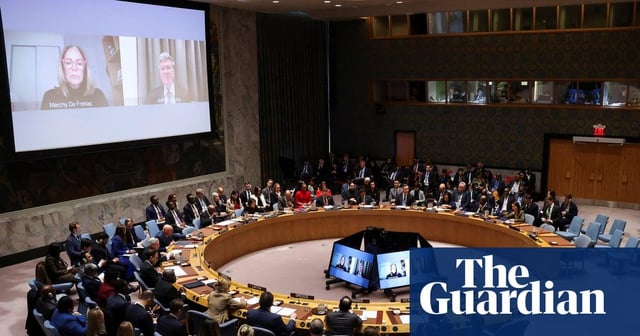
The international community has reacted with growing concern to President Donald Trump’s recent decisions regarding Venezuela at the United Nations. Both traditional allies and adversaries of the United States have voiced their alarm, marking a significant point of contention on the global stage. This development signals an increasing polarization over U.S. foreign policy under Trump’s leadership, with Venezuela becoming a central focus.
International Criticism
The backlash from global leaders over Trump’s policies with Venezuela is unprecedented. Nations across Latin America, Europe, and beyond have expressed unease with how the U.S. administration is handling the crisis in Venezuela. President Trump’s threats of military intervention have been particularly contentious, sparking a wave of denouncement from multiple countries.
Latin American countries, traditionally protective of their sovereignty, have been especially vocal. Leaders from Mexico, Colombia, and Argentina have explicitly voiced their opposition to any form of foreign intervention in Venezuelan affairs. They emphasize that such actions would only escalate tensions in an already volatile region.
Allies Voice Concerns
Even U.S. allies have found themselves in a difficult position. European leaders have been notably cautious, acknowledging the need for international engagement while urging diplomatic rather than military solutions. Countries like France and Germany have reiterated their support for diplomatic channels and sanctions, rather than the direct use of force.
The European Union has consistently advocated for a peaceful resolution to the Venezuelan crisis. EU foreign policy chief Federica Mogherini emphasized the importance of negotiations, stating, “The current situation demands a peaceful transition of power and respect for democratic processes.”
Regional Dynamics
Within Latin America, regional dynamics are shifting as countries seek to address the Venezuelan crisis collectively. The Organization of American States (OAS) has become a critical forum for discussion, with members advocating for a unified approach that respects Venezuela’s sovereignty while addressing human rights abuses.
However, the consensus on how to manage Venezuela remains fragile. While there is broad agreement on the need for democratic processes to be respected, the debate over foreign intervention remains heated. Countries like Brazil, under President Bolsonaro, have shown some alignment with Trump’s stance, although they stop short of supporting military intervention.
Impact on Global Relations
The controversy surrounding U.S. actions in Venezuela extends beyond Latin America. Russia and China, strong allies of Venezuelan President Nicolás Maduro, have condemned U.S. interference. Both countries see Venezuela as a key strategic partner in Latin America and have invested significantly in its economy. The Kremlin has criticized U.S. policies as “flagrant interference” in a sovereign nation’s internal affairs.
China’s foreign ministry has similarly issued statements emphasizing respect for sovereignty and urging peaceful resolution through dialogue. The Chinese government remains committed to its interests in Venezuela, which include substantial oil investments and developmental aid.
U.S. Domestic Reaction
Back home, Trump’s administration is facing a mixed reception to its foreign policy choices. While his hardline stance on Venezuela garners support from some quarters, it also faces criticism from within the U.S. Congress. Lawmakers from both parties have expressed concern that military intervention could have unforeseen consequences and further destabilize the region.
Analysts and experts alike have warned that U.S. military action could lead to a humanitarian crisis, exacerbate migration issues, and sour diplomatic relations with key allies. The growing discord over Trump’s foreign policy decisions presents a substantial challenge to his administration’s broader strategic objectives.
As global discontent rises, the future of U.S.-Venezuela relations remains uncertain. The international community continues to grapple with how to address the crisis, balancing the need for intervention with respect for sovereignty. The ultimate resolution of Venezuela’s turmoil may well define international relations and set a precedent for handling similar crises around the world.