 Kristina Vankova
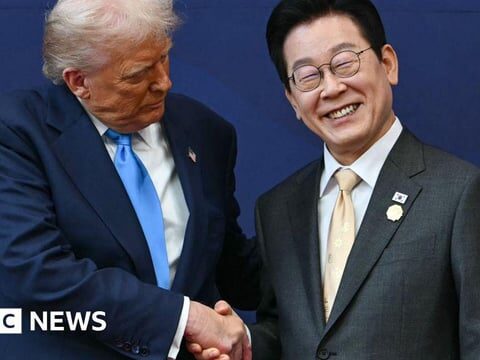
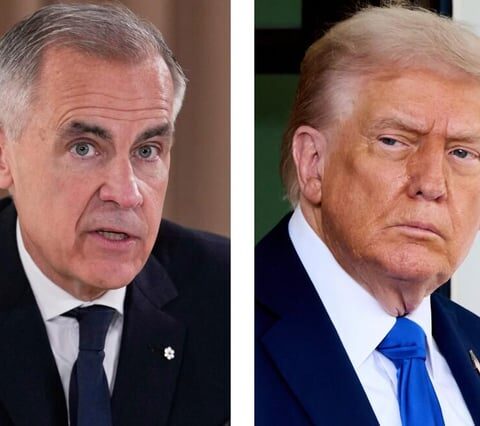
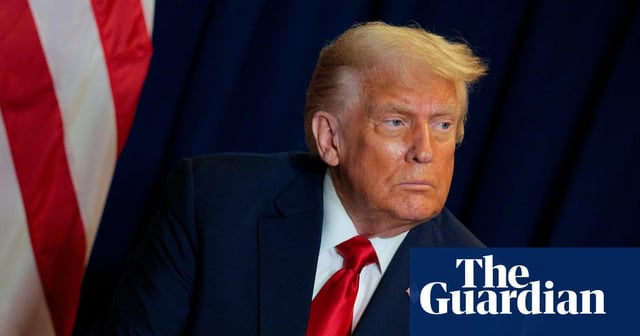
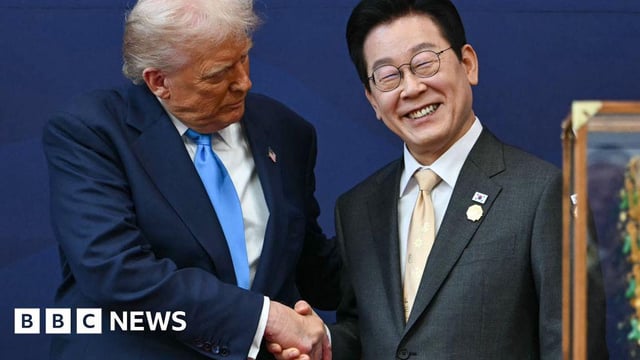
The diplomatic corridors of Washington, D.C., are abuzz with anticipation as President Donald Trump extends a warm welcome to Colombian President Iván Duque. This high-profile meeting at the White House underscores the intertwined destinies of the two nations, set against a backdrop of regional uncertainty and strategic interests.
The Agenda: Key Issues on the Table
Central to the discussions is the persistent issue of drug trafficking, a longstanding challenge that both countries face. Colombia remains one of the world’s largest producers of cocaine, and its eradication efforts have been supported by substantial U.S. aid. Recent years, however, have witnessed a surge in coca cultivation, putting pressure on both governments to find an effective strategy.
Beyond the narcotics trade, talks are expected to cover trade relations, economic assistance, and regional security. The two leaders will likely reiterate their commitments to building a more prosperous and secure Western Hemisphere, emphasizing shared democratic values and economic cooperation.
Political Implications and Diplomatic Nuances
This meeting takes place amid a complex geopolitical landscape, where the influence of external actors such as China and Russia in Latin America forms a growing concern. The United States aims to reinforce its ties with Colombia, a key ally in the region, to counterbalance these influences.
The dialogue between President Trump and President Duque also illuminates the U.S.’s ongoing interest in Venezuela’s political crisis. Colombia, bearing the brunt of the Venezuelan exodus, has received millions of refugees, which strains its resources and necessitates international support. It is anticipated that both leaders will discuss strategies to address this humanitarian concern, possibly seeking further assistance and collaboration.
Trade and Economic Cooperation
On the economic front, trade agreements and bilateral investments are likely to be high on the agenda. Both nations have benefited from the Free Trade Agreement in place, and there’s mutual interest in exploring avenues for further economic integration. Strengthening these ties not only promises economic growth but also bolsters political alliances in a time of global economic uncertainties.
Security and Defense Collaborations
The United States views Colombia as a cornerstone of its defense strategy in Latin America. Military cooperation, including joint training exercises and intelligence sharing, forms a vital part of their relationship. Enhancing these collaborations can serve as a deterrent to regional threats and provide stability in a historically tumultuous region.
Historical Context: A Robust Partnership
The diplomatic ties between the United States and Colombia are deeply rooted in a history of collaboration. This alliance has traditionally been shaped by a shared effort to counteract the narcotics trade and foster economic development. Over the years, numerous initiatives further cemented this partnership, such as Plan Colombia, which provided military and economic support to the South American nation.
The engagement between these two presidencies is yet another chapter in a longstanding relationship that has faced both challenges and triumphs. Each state visit builds upon this legacy, adapting to the present-day needs and priorities of both countries.
The outcome of the meeting at the White House remains to be seen, but the dialogue itself sends a strong message of solidarity and mutual respect. As geopolitical dynamics continue to evolve, the U.S.-Colombia partnership remains a crucial element in the broader tapestry of international relations, signaling commitment to shared goals and the perseverance of diplomatic bonds.