 Kristina Vankova
In a move that has garnered significant global attention, the United States has initiated discussions with NATO concerning mineral rights in Greenland. The discussions are part of a broader strategic framework that highlights the growing geostrategic importance of the Arctic region. These talks reflect a deeper interest in the resource-rich Arctic, an area rapidly becoming accessible due to climate change and technological advancements.
The Strategic Importance of Greenland
Greenland, the world’s largest island, is increasingly in the spotlight due to its vast untapped mineral resources. Rich in rare earth elements, precious metals, and other critical minerals essential for modern technologies, Greenland holds significant potential for future mining investments. As the Arctic ice melts, previously inaccessible areas become viable for exploration and extraction, amplifying the island’s strategic value.
The U.S.’s interest in Greenland is not new but has gained renewed focus amid global competition for resources. The Arctic region, shared by various nations, has historically been a zone of geopolitical tension and cooperation. As countries look to secure their energy and mineral futures, Greenland’s resources become more attractive.
NATO’s Role in the Greenland Framework
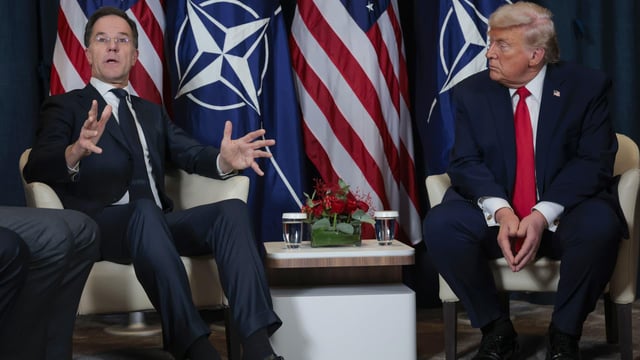
The involvement of NATO in the ongoing discussions underscores the geopolitical significance of the arrangement. By engaging NATO, the U.S. aims to ensure a multilateral approach to securing mineral rights and maintaining stability in the region. NATO’s engagement also reflects the alliance’s broader strategic interest in the Arctic, an area where security dynamics are becoming increasingly complex.
Moreover, the alliance’s presence provides a platform for cooperation among member states, ensuring that mineral exploration and potential extraction activities occur within a framework that considers environmental concerns and geopolitical stability. This multilateral engagement showcases the balancing act between resource extraction and the preservation of fragile Arctic environments.
Global Implications and Future Prospects
As the world shifts towards greener technologies, the demand for minerals found in Greenland is expected to surge. These minerals are crucial for the development of electronics, renewable energy technologies, and a range of other high-tech applications. America’s move to secure mineral rights is part of a broader strategy to reduce dependence on non-allied nations for critical materials.
The discussions with NATO could potentially lead to significant investments in Greenland’s mining sector, providing economic benefits to the local populace. However, these developments are not without challenges. Environmental concerns loom large, and the indigenous communities in Greenland have expressed varying views on the economic and cultural impacts of large-scale mining projects.
In conclusion, the conversations surrounding mineral rights in Greenland reflect broader geopolitical trends and the growing importance of the Arctic region. As countries navigate the complexities of resource extraction, environmental preservation, and geopolitical strategy, the outcomes of these discussions could reshape the economic and political dynamics of the Arctic in the years to come.