 Kristina Vankova
In a recent development that has stirred political and public discussion, former U.S. President Donald Trump’s remarks on NATO have met with sharp criticism, particularly from Canadian veterans. Trump’s comments, perceived as undermining the alliance’s strength and unity, have resonated across borders, sparking a wave of concern and debate regarding the future of international defense collaborations.
Trump’s Controversial Statements
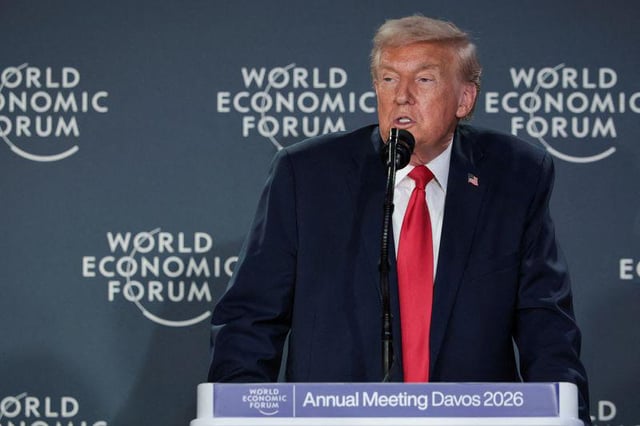
During a recent speech, Trump expressed skepticism about the current dynamics of NATO, questioning the financial and strategic commitments of member countries, including those of Canada. His statements suggested that some member nations are not contributing their fair share to the alliance, igniting backlash from various factions, especially those in Canada.
The former president’s remarks focused on what he perceives as an imbalance in the defense spending of NATO members, a longstanding issue but one that has been articulated with distinct intensity in this instance. He called for greater financial contributions from countries like Canada, which he claims are not meeting their pledged financial commitments to the military alliance.
Canadian Veterans Respond
In response, several Canadian veterans have come forward to express their dismay at Trump’s comments, which they believe undermine the sacrifices and contributions that Canadian soldiers have made to NATO missions over the decades. They argue that his statements fail to acknowledge the human aspect and historical engagements of Canada in the alliance.
Many veterans pointed out that Canada has played critical roles in NATO operations, including significant deployments in Eastern Europe and counterterrorism missions. Former military officials have highlighted Canada’s active participation in essential NATO exercises and training programs, which go beyond monetary contributions and underline a commitment to mutual security goals.
The Historical Context
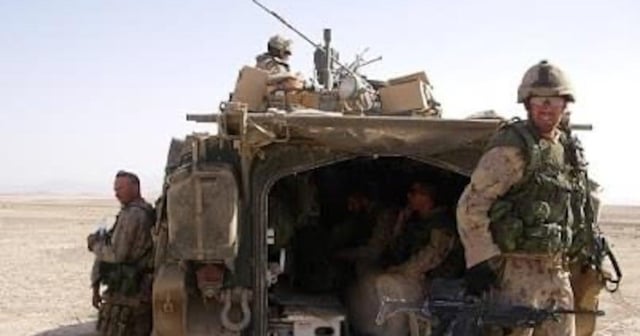
Since its inception, NATO has been a cornerstone of collective defense and cooperation among Western countries. Canada’s role in the alliance has been substantial, often acting as a key partner in efforts to stabilize regions and address emerging threats. From its deployment in Afghanistan to its peace-building missions across the Balkans, Canada’s military contributions have consistently supported NATO’s objectives.
- Canada participated in NATO’s Afghanistan mission for over a decade.
- Canadian forces have been involved in various peacekeeping duties in volatile regions.
- The country regularly contributes to NATO’s rapid response forces.
Broader Implications
Trump’s comments have rekindled conversations about NATO’s future and the demands it places on its members. Critics of Trump’s viewpoint argue that his rhetoric could potentially weaken the alliance by sowing discord among its members at a time when unity is crucial. Supporters, however, believe his statements might spur necessary discussions on equitable contributions for a balanced alliance.
Beyond the immediate backlash, Trump’s statements also underscore long-standing debates regarding NATO’s financial frameworks and the necessity for nations to fulfill their commitments. Analysts suggest this discourse can lead to constructive dialogues that bring clarity and renewed commitment among NATO members.
In Canada, the discussion about defense spending and military contribution to alliances like NATO is ongoing. The response to Trump’s comments reflects broader national discussions about defense priorities, the role Canada wishes to play on the global stage, and how it intends to tackle emerging international security challenges.
As Canada’s government and military institutions assess these exchanges, the conversation around defense spending, strategic commitments, and the future role within international alliances remains pertinent. The reactions from Canadian veterans underscore a collective desire to reaffirm Canada’s position as a reliable and committed NATO member, ensuring that military service and international engagement remain integral components of national policy.
While the immediate fallout from Trump’s comments continues to unfold, the broader implications for NATO’s cohesion and effectiveness remain a critical focus for policymakers worldwide, as they navigate the complexities of international defense and collaborative security initiatives.