 Kristina Vankova
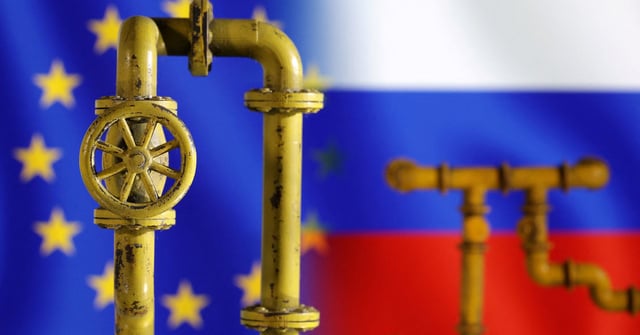
In a significant geopolitical move, the European Union has finalized its decision to prohibit the importation of Russian gas. This groundbreaking resolution follows intense deliberations among EU member states, marking a pivotal step in the EU’s strategy to diminish reliance on Russian energy exports.
Background of the Decision
The decision to ban Russian gas imports comes amidst rising tensions between Russia and European countries. This move is part of a broader effort to address the EU’s energy security and reduce the influence of Russian energy on European markets. The ban is seen as a direct response to the geopolitical uncertainties exacerbated by Russia’s controversial actions on the global stage.
The EU has long been dependent on Russian gas, with Russia being one of the largest suppliers to the European market. The dependency has often been criticized due to the potential for energy leverage by Russia and the associated political risks. As such, the ban represents both a symbolic and practical shift in the EU’s approach to energy security.
Implications for Energy Markets
The ban is expected to have wide-ranging implications for energy markets across Europe and beyond. With Russian gas supplies being curtailed, EU countries will need to rapidly diversify their energy sources. This may involve ramping up renewable energy production, importing gas from alternative suppliers, and increasing energy efficiency measures across various sectors.
Energy market analysts predict that the ban could lead to short-term volatility in energy prices, as countries adjust to the new dynamics. However, the long-term impact may drive innovation and investment in sustainable energy solutions, potentially accelerating the EU’s transition towards a greener energy framework.
Alternative Energy Sources
- LNG Imports: The EU is likely to increase its liquefied natural gas (LNG) imports from countries such as the United States, Qatar, and Australia to compensate for the deficit left by Russian gas.
- Renewable Energy: Investments in solar, wind, and other renewable energy technologies are expected to surge as member states aim to meet both energy needs and climate commitments.
- Nuclear Power: Some EU countries may reconsider or expand their nuclear energy capacities as a stable and cleaner alternative to fossil fuels.
Political and Economic Repercussions
The decision to ban Russian gas imports will also have significant political and economic repercussions. For Russia, the EU ban represents a substantial loss of a key export market, potentially affecting its economy which highly depends on energy exports. This may prompt Russia to seek alternative markets, particularly in Asia and the developing world.
For the EU, this decision aligns with broader strategic objectives to project unity and reduce dependence on external powers that may have conflicting interests. It sends a strong message about the EU’s commitment to its principles, particularly in areas concerning national sovereignty and global security.
Economically, EU member states need to manage the transition smoothly to ensure that the energy supply remains stable and affordable. This involves substantial investment in infrastructure and technology development, requiring cooperation across national borders and public-private partnerships.
Finally, the societal impact should not be underestimated. With energy being a crucial component of daily life, governments must communicate effectively with the public to foster understanding and support for the transition, addressing any concerns over potential increases in energy costs.
The EU’s ban on Russian gas imports marks a historic turn in the continent’s energy policy, reflecting a deliberate shift towards securing energy independence while upholding geopolitical and environmental values. As Europe charts this new course, the world watches closely, anticipating the broader implications of this landmark decision.