Karolina Sedlackova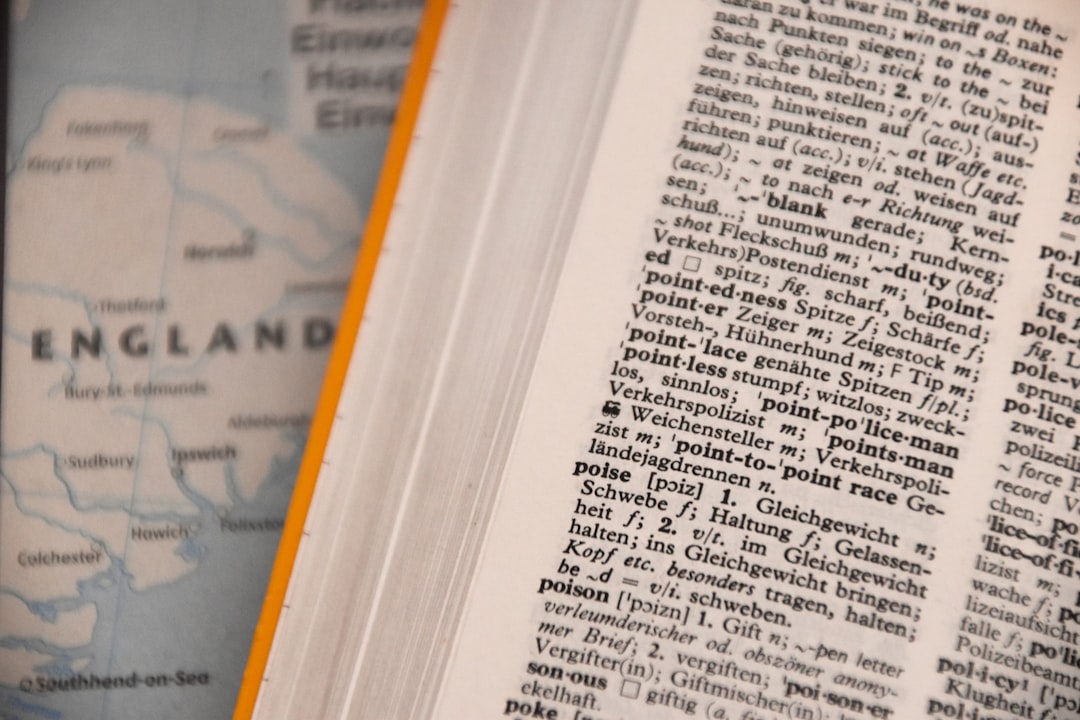
Czech is not an easy language for English speakers — it has seven grammatical cases, unfamiliar sounds, and a script full of háčeks and čárkas. But Czech people love it when foreigners try — even a single “dobrý den” and “děkuji” earns you warmer service, better tables, and the occasional free shot of Slivovice. This is the essential 60-phrase Czech travel phrasebook, with pronunciation guides that actually work.
The 5 phrases that matter most
- “Dobrý den” (DOH-bree dehn) — “Good day”. The default greeting; use it any time between morning and evening.
- “Děkuji” (DYEH-koo-yee) — “Thank you”. The single most-used pleasantry.
- “Prosím” (PROH-seem) — “Please” / “You’re welcome”. Used constantly.
- “Mluvíte anglicky?” (MLOO-vee-teh ANG-lits-key) — “Do you speak English?” Ask before assuming.
- “Na shledanou” (nahs-KHLEH-dah-noh-oo) — “Goodbye”. Formal but appropriate everywhere.
Czech pronunciation — what you actually need to know
- c = “ts” (as in “cats”)
- č = “ch” (as in “church”)
- š = “sh” (as in “shoe”)
- ž = “zh” (as in “measure”)
- ř = a rolled r + zh sound combined; the hardest Czech sound. Approximate as “rzh” and Czechs will forgive you.
- ch = the German “ch” as in “Bach” — one sound, not two.
- j = “y” (as in “yes”)
- y and i both pronounced “ee”
- ý and í = long “ee”
- ě = “ye”
- Stress: always on the first syllable, no matter how long the word.
Greetings and pleasantries
| Czech | Pronunciation | English |
|---|---|---|
| Ahoj | AH-hoy | Hi / Bye (casual) |
| Dobrý den | DOH-bree dehn | Good day (formal, use always) |
| Dobré ráno | DOH-breh RAH-noh | Good morning |
| Dobrý večer | DOH-bree VEH-cher | Good evening |
| Dobrou noc | DOH-broh nohts | Good night |
| Na shledanou | nahs-KHLEH-dah-noh-oo | Goodbye (formal) |
| Prosím | PROH-seem | Please / You’re welcome |
| Děkuji / Díky | DYEH-koo-yee / DEE-key | Thank you (formal / casual) |
| Promiňte | PROH-min-teh | Excuse me / Sorry |
| Nerozumím | NEH-roh-zoo-meem | I don’t understand |
| Mluvíte anglicky? | MLOO-vee-teh ANG-lits-key | Do you speak English? |
Restaurant and pub Czech
| Czech | Pronunciation | English |
|---|---|---|
| Jídelní lístek, prosím | YEE-del-nee LEES-tek | Menu, please |
| Jedno pivo, prosím | YED-noh PEE-voh | One beer, please |
| Dvě piva, prosím | dvyeh PEE-vah | Two beers, please |
| Vodu z kohoutku, prosím | VOH-doo skoh-HOHT-koo | Tap water, please (see our tap water guide) |
| Kávu, prosím | KAH-voo | Coffee, please |
| Zaplatíme, prosím | zah-PLAH-tyee-meh | We’ll pay, please |
| Ještě jedno | YESH-tyeh YED-noh | One more (for beer) |
| Na zdraví! | nahz-DRAH-vee | Cheers! (make eye contact — see our Na zdraví guide) |
| Bez cibule, prosím | bez TSEE-boo-leh | Without onion, please |
| Jsem vegetarián/vegetariánka | ysem veh-geh-TAR-ee-ahn(kah) | I’m vegetarian (m/f) |
| Bylo to skvělé, děkuji | BEE-loh toh SKVYEH-leh | It was excellent, thank you |
Getting around
| Czech | Pronunciation | English |
|---|---|---|
| Kde je…? | gdeh yeh | Where is…? |
| Metro | MEH-troh | Metro |
| Tramvaj | TRAM-vay | Tram |
| Autobus | OW-toh-boos | Bus |
| Nádraží | NAH-drah-zhee | Train station |
| Letiště | LEH-tyish-tyeh | Airport |
| Vlevo / vpravo / rovně | VLEH-voh / vprah-voh / ROV-nyeh | Left / right / straight |
| Vpřed | vpshed | Forward |
| Vzadu | VZAH-doo | Behind |
| Kolik to stojí? | KOH-lik toh STOH-yee | How much does it cost? |
Shopping and money
| Czech | Pronunciation | English |
|---|---|---|
| Koruna / Kč | KOH-roo-nah | Czech koruna (currency — see our currency guide) |
| Platím kartou | PLAH-tyeem KAHR-toh-oo | I’ll pay by card |
| Platím hotově | PLAH-tyeem HOH-toh-vyeh | I’ll pay in cash |
| Slevu, prosím? | SLEH-voo | A discount, please? |
| Účet, prosím | OO-chet | Receipt, please |
Numbers 1-10
| Number | Czech | Pronunciation |
|---|---|---|
| 1 | jeden / jedna / jedno | YEH-den / YEHD-nah / YEHD-noh |
| 2 | dva / dvě | dvah / dvyeh |
| 3 | tři | trzhee |
| 4 | čtyři | CHTIR-zhee |
| 5 | pět | pyet |
| 6 | šest | shest |
| 7 | sedm | SEH-doom |
| 8 | osm | OH-soom |
| 9 | devět | DEH-vyet |
| 10 | deset | DEH-set |
Days of the week
- Monday — pondělí (PON-dyeh-lee)
- Tuesday — úterý (OO-teh-ree)
- Wednesday — středa (STRZHEH-dah)
- Thursday — čtvrtek (CHTVR-tek)
- Friday — pátek (PAH-tek)
- Saturday — sobota (SOH-boh-tah)
- Sunday — neděle (NEH-dyeh-leh)
Emergency phrases
- “Pomoc!” (POH-mots) — Help!
- “Zavolejte policii” (ZAH-voh-lay-teh POH-lee-tsee-ee) — Call the police
- “Zavolejte sanitku” (ZAH-voh-lay-teh SAH-nit-koo) — Call an ambulance
- “Ztratil jsem se” (STRAH-tyil ysem seh) — I’m lost (male). Female: “ztratila jsem se”
- “Bolí to” (BOH-lee toh) — It hurts
- Emergency number: 112 (EU-wide)
Formal vs informal — the “ty/vy” distinction
Czech distinguishes formal (“Vy”) from informal (“ty”) address — like French “vous/tu” or German “Sie/du”. As a tourist, always use the formal Vy form (which is the default in phrasebooks). Only switch to ty if a Czech offers first.
Language-learning tools
- Lonely Planet Czech Phrasebook — pocket-sized, comprehensive, includes menu decoder.
- “Colloquial Czech: The Complete Course for Beginners” — for the seriously curious.
- Pocketalk S language translator — for the moments when your phrasebook fails.
- Duolingo or Anki (both free apps) — for pre-trip vocabulary building.
- Google Translate with offline Czech pack downloaded — camera mode reads Czech menus surprisingly well.
Cultural notes on speaking Czech to Czechs
- Czechs are proud of their language and appreciate any effort. Even a mangled “Dobrý den” scores points.
- Older Czechs (65+) generally speak German better than English. Younger Czechs speak excellent English.
- Do NOT speak Russian. Czechs distinguish Czech and Russian sharply; the historical resentment of the 1968 Soviet invasion remains.
- Slovak is essentially mutually intelligible with Czech — Czechs understand Slovak natively.
- Learn “Prosím” and use it liberally — it’s the single most-used word in Czech pleasantries.
FAQ
Do Czechs speak English?
Younger Czechs (under 40) in Prague and major cities: usually yes, often well. Older Czechs and outside major cities: less consistently.
Is Czech hard to learn?
Yes — seven grammatical cases, complex consonant clusters, and an unfamiliar sound system (especially “ř”). But basic tourist phrases can be learned in an evening.
Is Czech the same as Slovak?
Very similar — they diverged from a common language around 1900. Mutually intelligible; a Czech can read a Slovak newspaper without translation.
What’s the best way to say “thank you” in Czech?
“Děkuji” (DYEH-koo-yee) — formal; used in shops, restaurants, taxis. Casual version among friends: “Díky”.
How do you pronounce “Praha”?
PRAH-hah — the “h” is pronounced (not silent like French).
Do I need to know Czech to visit Prague?
No — English is widely spoken in tourist areas. But learning a handful of pleasantries dramatically improves your experience.