cooperativ
The Nutella Dilemma: Czech PM’s Cross-Border Shopping Exposes Stark Price Disparities
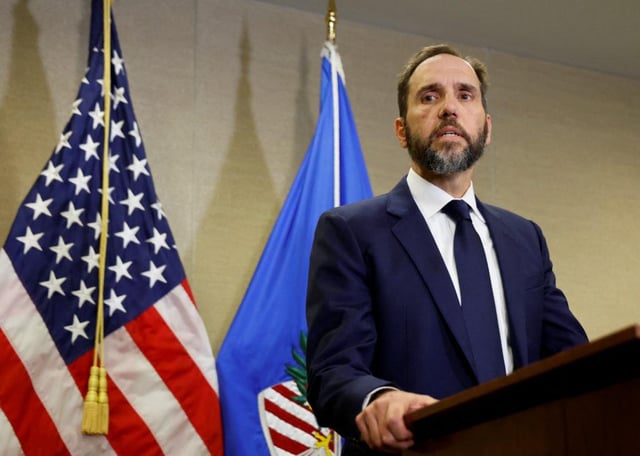
In a move that has stirred up public discourse, Czech Prime Minister Petr Fiala took to social media to share his eye-opening findings on the price differences for everyday grocery items, including the much-loved Nutella, between the Czech Republic and neighboring Germany. This revelation has not only sparked a debate on the cost of living but also raised questions about market practices and government policies.

The Price Comparison Expedition: It began as a simple shopping trip across the border. Prime Minister Fiala, leveraging his proximity to the German town of Waldsassen, decided to conduct a price comparison of basic groceries. His shopping list was straightforward – milk, butter, bread, and of course, Nutella, among other staples. The outcome of this shopping experiment was a stark revelation: for the same basket of goods, Fiala paid significantly more in the Czech Republic than in Germany.
The difference was not just in the price but also in the quantity offered. A 750-gram jar of Nutella in Germany cost 113.30 CZK, while in the Czech Republic, a smaller 600-gram jar came with a price tag of 169.90 CZK. When adjusted for size, the Czech citizens were paying nearly double for their Nutella fix.

A Familiar Scenario: This isn’t the first time a Czech leader has highlighted such disparities. Former Prime Minister Andrej Babiš had previously conducted similar comparisons, pointing out the dual quality of food products in different European countries. These actions have consistently brought to light the varying standards that consumers face within the single European market.
Unraveling the Why: The pressing question that emerges from Fiala’s findings is the cause behind these price discrepancies. While the government does not directly control prices – a task left to producers and retailers – the prime minister has committed to seeking explanations from manufacturers and demanding public clarification.
Alena Schillerová, the former Finance Minister, criticized the current economic ministers for prioritizing the interests of banks and energy giants over the needs of the citizens. She attributed the high cost of living and the government’s inability to manage inflation as the primary reasons behind the cross-border price shock.
The Bigger Picture: Tomáš Prouza, President of the Trade and Tourism Association, broadened the scope of the debate by pointing out the issue of territorial restrictions on imports. He explained that multinational food producers often supply different versions or smaller packages of the same product to different markets, which hinders retailers from offering the same products as those available in other countries.
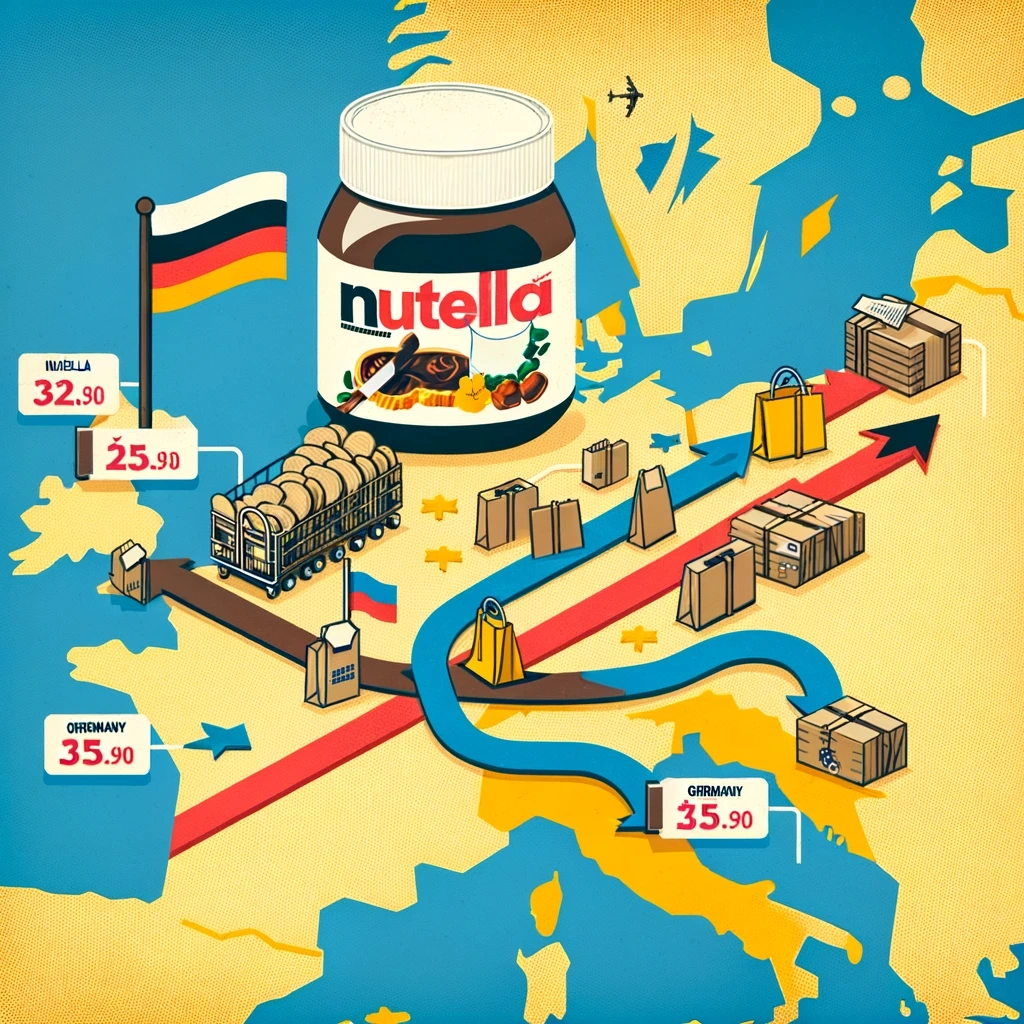
According to the European Commission, such unfair practices cost EU customers an extra 14 billion euros each year. A notable example is Coca-Cola, which is sold with artificial sweeteners in Central Europe, as opposed to the sugar-sweetened version sold in Western Europe, resulting in a higher calorie content.
In Conclusion: Prime Minister Fiala’s shopping comparison has shed light on the significant price differences between the Czech Republic and Germany, but it has also opened up a conversation about the intricate web of market practices, government policies, and the influence of multinational companies on pricing. As Czech citizens grapple with the reality of paying more for less, the government’s next steps in addressing these disparities are eagerly anticipated. The “Nutella Dilemma” is more than just about chocolate spread; it’s a snapshot of the economic challenges facing consumers in the Czech Republic today.