 Jan Nettig
The Escalation of Labor Discontent
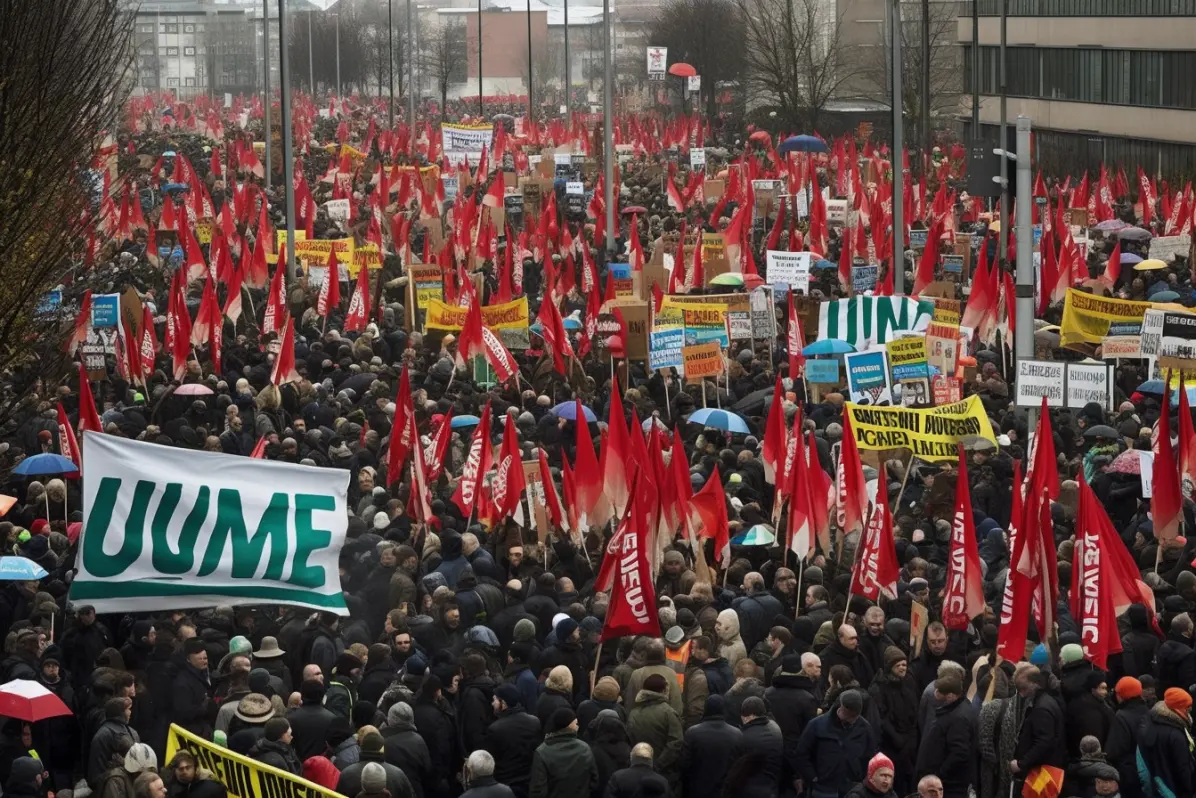
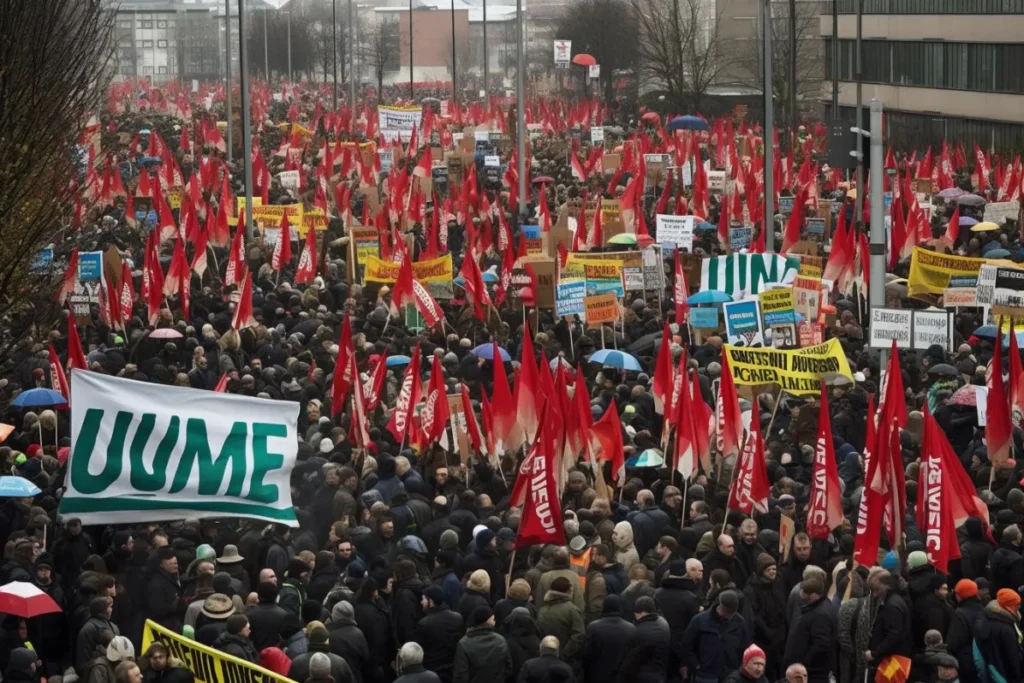
In a significant escalation of labor unrest, the Czech-Moravian Confederation of Trade Unions (ČMKOS) has announced a massive strike on November 27 against government policies. Josef Středula, the head of ČMKOS, confirmed that more than half of the 270,000 union members from various sectors are expected to participate. The strike, which is set to involve unions from education, public administration, woodworking, and the largest union KOVO, along with transportation, healthcare, culture, libraries, food industry, and higher education sectors, is a response to the government’s consolidation package, proposed pension reforms, high energy prices, and the lack of wage increases in the public sector amidst high inflation.
The Scope and Impact
The strike is anticipated to have a significant impact across the Czech Republic, with dozens of schools in Prague alone confirming their participation. Some schools will be closed, while others will operate in a limited capacity. Healthcare unions will also join, with acute care workers participating symbolically due to the nature of their work. The transportation sector is expected to see disruptions, particularly in parts of South Bohemia, from midnight to noon. However, operations like the Prague metro are not expected to be significantly affected.
The Government’s Response and Union Demands
Středula emphasized that the government had ample time to negotiate and find a consensus but failed to do so. The unions are now determined to go ahead with the strike, which they see as the last resort to voice their grievances. Additionally, a protest march and demonstration are planned in Prague, starting from Rudolfinum at noon and moving to Malostranské náměstí for a rally at 1 PM. Union leaders will present their statements and demands during this event.
This upcoming strike is a critical moment for labor relations in the Czech Republic, highlighting the growing discontent among workers in various sectors. It underscores the challenges the government faces in balancing economic policies with the welfare of its workforce.