 Karolina Sedlackova
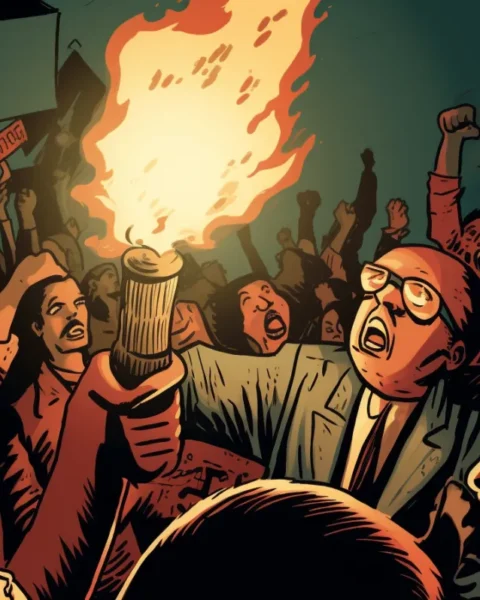
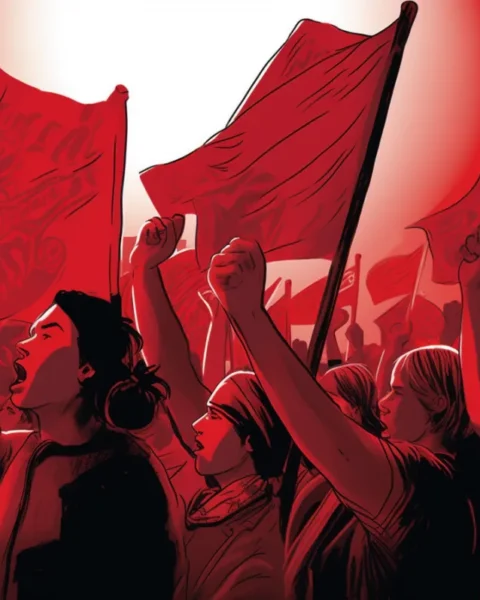
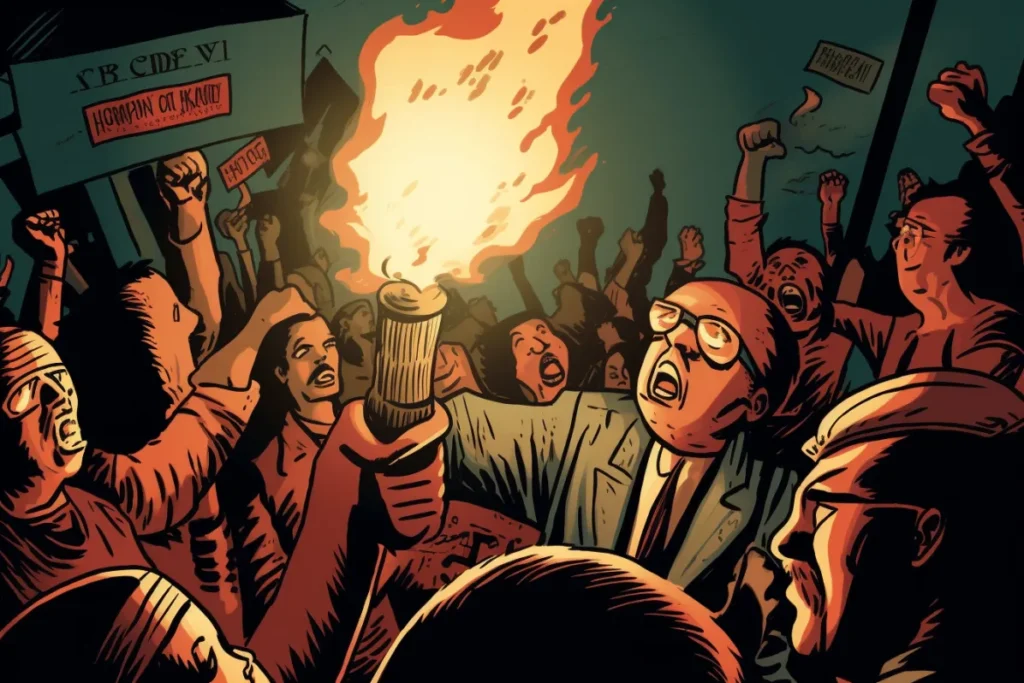
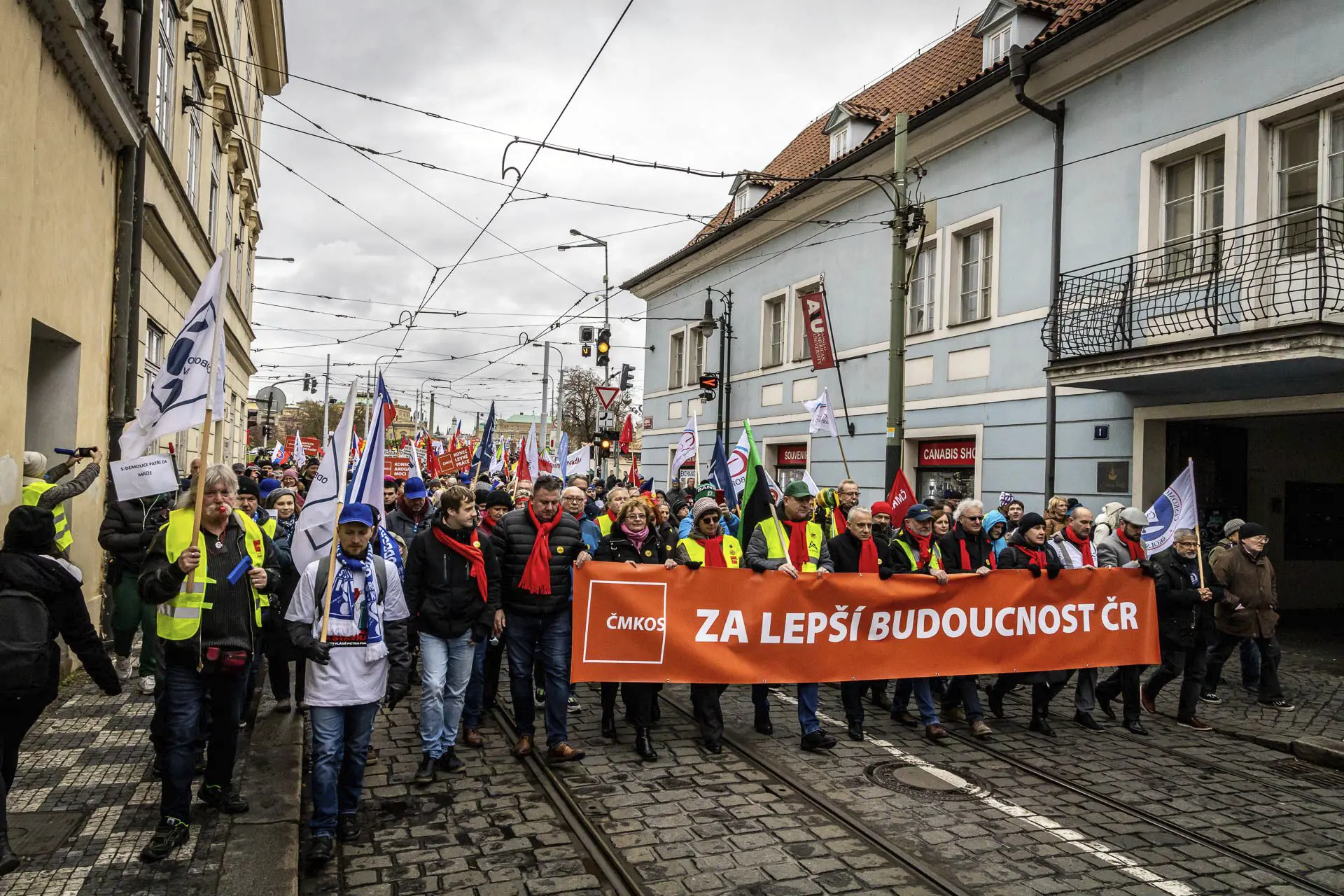
In the Czech Republic, a historic strike, one of the largest since 1989, has unfolded, bringing to light the deep-seated economic and social challenges facing the nation. At the heart of this monumental event are the government’s economic policies and the resistance from various labor unions, led by the Českomoravská konfederace odborových svazů (ČMKOS). This article delves into the complexities of this situation, exploring the perspectives of key figures, the government’s stance, and the broader implications for the Czech society.
The Strike: A Response to Economic Policies
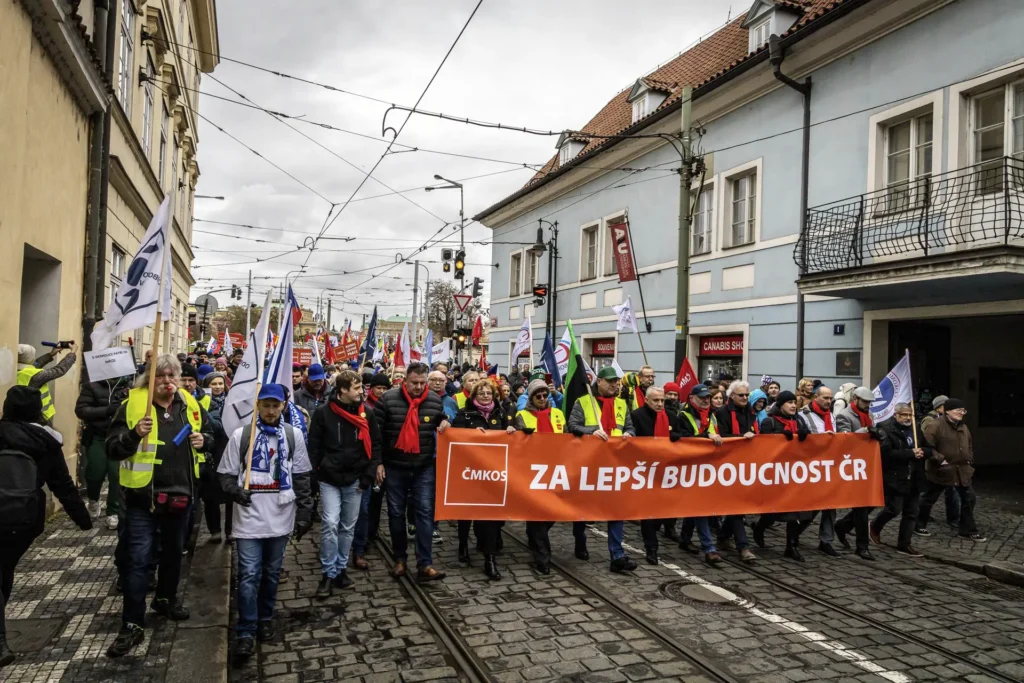
The strike, which has seen widespread participation across various sectors, is a direct response to the government’s recent economic measures. These measures, according to the unions, have significantly impacted the purchasing power and living standards of the average citizen. The government, led by Prime Minister Petr Fiala, maintains that these policies are essential for the financial health of the nation, emphasizing the need for fiscal responsibility and economic recovery.
Union’s Perspective: A Call for Negotiation and Fairness
Josef Středula, the head of ČMKOS, has been vocal about the union’s willingness to negotiate. Contrary to the government’s claims of continuous dialogue, Středula argues that the government has shown little interest in genuine negotiation, only partially addressing the union’s nine-point consolidation package. The union’s demands include maintaining existing employee benefits and addressing the rising cost of living exacerbated by the government’s policies.
Government’s Stance: Firm on Economic Recovery
Prime Minister Fiala has reiterated his administration’s commitment to not yielding under pressure and focusing on revitalizing public finances. Despite acknowledging the ongoing dialogue with the unions, Fiala accuses them of having political ambitions, a claim that has added a layer of complexity to the situation.
Economic and Social Implications
The strike and the ensuing debate highlight the broader economic and social challenges in the Czech Republic. The government’s policies, aimed at economic recovery, have inadvertently affected various sectors, leading to a decrease in the standard of living for many. The unions, representing a significant portion of the workforce, demand a more balanced approach that considers the welfare of the employees.
The unfolding events in the Czech Republic are more than just a dispute over economic policies; they represent a critical juncture in the nation’s post-1989 history. The outcome of this struggle will not only determine the immediate economic future of the country but also set a precedent for how such conflicts are resolved in a modern democratic society. As the nation watches, the dialogue between the government and the unions continues, with the hope of finding a resolution that balances economic recovery with social justice.