 Jan Nettig
The Czech Parliament is currently in the final stages of discussing the budget for the upcoming year. The proposed budget, which forecasts a deficit of 252 billion Czech koruna, has sparked significant debate and criticism, particularly from opposition parties. This article delves into the key aspects of the budget discussions, the government’s stance, opposition criticisms, and the broader implications for the Czech Republic’s fiscal policy.
Government’s Stance on the Budget
Finance Minister Zbyněk Stanjura (ODS) emphasized the government’s commitment to consolidating public finances. He highlighted the efforts to slow down the pace of indebtedness and return to a period of responsible budgetary policy. Prime Minister Petr Fiala (ODS) defended the budget extensively, noting the challenges of battling record-high national debt and the high costs of servicing this debt. Fiala pointed out that total state expenditures are set to decrease for the first time since 2016, attributing this to the high deficits left by Andrej Babiš’s government.
Opposition’s Critique
Former Prime Minister and leader of the opposition ANO party, Andrej Babiš, strongly criticized the government’s approach. He accused the current administration of destroying the country and being out of touch with reality. Alena Schillerová, chairwoman of the ANO parliamentary group and former Finance Minister, labeled the budget as the “worst non-crisis budget in the modern history of our country.” She described it as a flawed financial statement, driven by a misguided fight against a non-existent threat of state bankruptcy.
Budget Details and Amendments
The budget for the next year is set to have a deficit of 252 billion Czech koruna. The planned revenues are expected to increase by 12 billion to 1.94 trillion Czech koruna, while expenditures are projected to decrease by 31 billion to 2.19 trillion Czech koruna. Approximately 120 amendment proposals have been submitted, mostly by opposition lawmakers, focusing on various budgetary adjustments.
Focus on Education and Healthcare
The opposition, particularly ANO, has criticized the government for allegedly neglecting education and healthcare in the budget. They argue that the proposed budget for education is underestimated and lacks at least six billion Czech koruna. The opposition is pushing for increased funding in these sectors, often suggesting reallocating funds from other areas such as the defense budget.
Government’s Response to Criticism
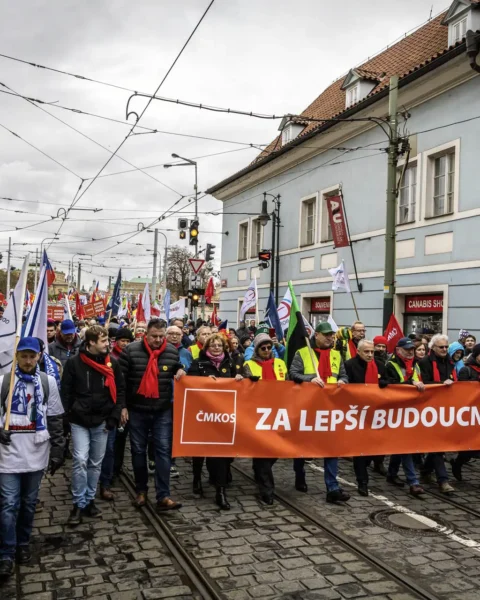
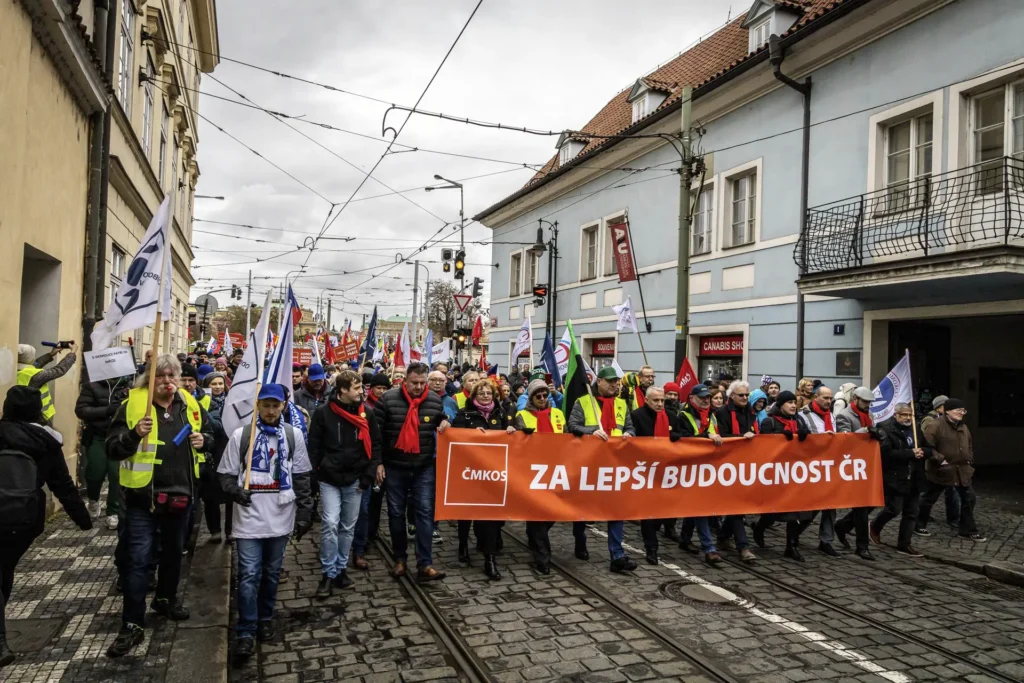
In response to the criticism and recent strikes by unions, Minister Stanjura stated that expenditures on education and healthcare would increase next year. He noted that spending on education and schooling would be 269 billion Czech koruna, a year-on-year increase of four billion, and healthcare spending would be 165.1 billion Czech koruna, up from 160 billion this year.
The budget discussions in the Czech Parliament reflect the ongoing challenges and differing perspectives on managing the nation’s finances. While the government emphasizes fiscal responsibility and reducing deficits, the opposition criticizes the approach as overly cautious and detrimental to crucial public sectors like education and healthcare. The final decision on the budget will have significant implications for the country’s economic direction and public services in the coming year.