 Kristina Vankova
The Czech government has announced a significant financial boost for workers within the public sector, approving a pay increase of 1,400 CZK per month. This move has been met with a mix of anticipation and relief among public servants who have long awaited a salary enhancement amid rising living costs and economic pressures.
An Overview of the Pay Increase
The 1,400 CZK pay increase, which affects a diverse array of public sector employees, is a strategic effort by the Czech government to alleviate financial pressures experienced by workers in this sector. This decision is poised to benefit tens of thousands of employees, including teachers, healthcare workers, and administrative staff, reflecting the government’s recognition of their diligent work and dedication.
The adjustment in pay aims not only to improve the living standards of public servants but also to serve as an incentive for enhanced productivity and engagement in their respective roles. It is a part of broader economic measures designed to promote stability and growth within the public sector and the economy at large.
Economic Context and Implications
Amidst fluctuating economic conditions, the decision to approve a salary increment is a critical step in ensuring the welfare of public sector employees. The Czech Republic has faced various economic challenges, including inflationary pressures which have significantly impacted the purchasing power of households. By increasing wages, the government hopes to mitigate these impacts, ultimately bolstering consumer spending and driving economic activity.
Moreover, this pay hike reflects an understanding of the essential roles played by public sector employees in underpinning societal functions. These workers have been instrumental during challenging periods, such as the recent pandemic, underscoring the necessity for competitive and fair compensation.
Stakeholder Reactions
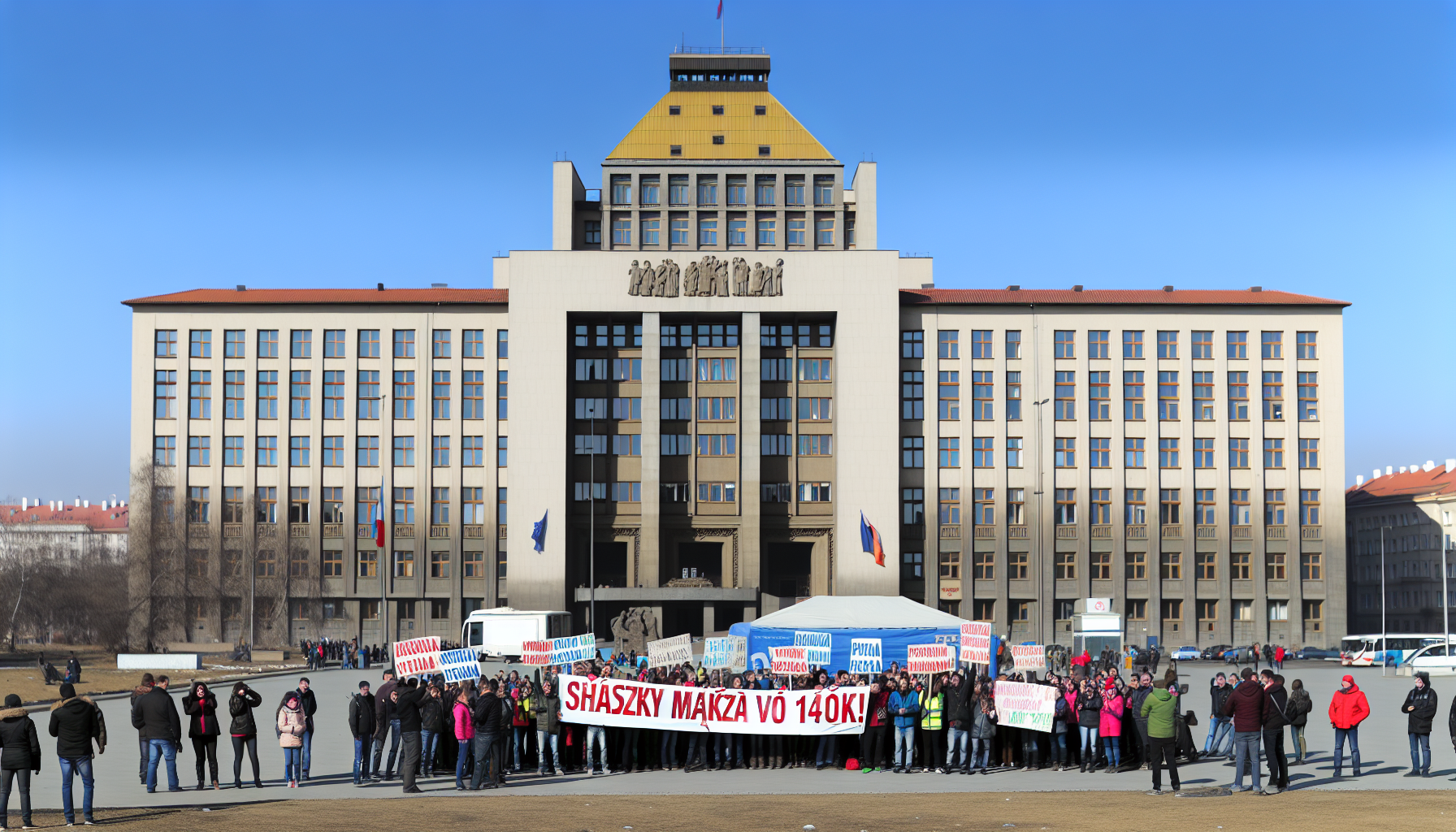
The announcement has been well-received across various sectors of society, particularly within unions representing public sector employees. Union leaders have expressed their support, highlighting that the increase is a long-awaited and necessary adjustment for workers who have faced significant financial constraints in recent years.
On the other hand, some economists caution about potential fiscal impacts, stressing the importance of balancing wage increases with prudent fiscal management. There is an acknowledgment that while increasing public sector wages is beneficial for workers, it must be aligned with sustainable economic policies to avoid long-term financial strain on the national budget.
Future Prospects
Looking forward, the pay increase could set a precedent, underscoring the government’s commitment to prioritize public sector employees’ welfare. It might also encourage further reforms and strategic investments aimed at enhancing the efficiency and productivity of public services.
This decision could spur similar measures within private sectors, encouraging businesses to evaluate compensation structures, leading to potential positive ripple effects throughout the economy. Such actions are crucial in maintaining a motivated workforce capable of driving innovation and growth.
Understanding the Logistics
Implementing this pay increase requires meticulous planning and coordination across various governmental departments. The adjustment is expected to be rolled out in the coming months, with provisions in place to ensure seamless integration into existing payroll systems.
The administration of this increase will involve careful analysis and management of resources to prevent unnecessary financial bottlenecks. The government has expressed confidence in its ability to absorb and effectively manage this wage adjustment, citing robust economic frameworks and fiscal strategies as foundational supports.
Engaging with Stakeholders
As part of its commitment to transparency and dialogue, the government is engaging with a range of stakeholders, including union representatives, policy advisors, and economic analysts. These discussions are pivotal in ensuring that the wage increase not only meets the immediate financial needs of workers but also aligns with broader economic objectives.
This collaborative approach seeks to foster a sense of shared responsibility and partnership, emphasizing the collective effort required to support and sustain public sector roles which are indispensable to national prosperity and community well-being.
The Call for Continued Advocacy
The allocation of an additional 1,400 CZK in monthly wages represents a tangible improvement in the economic outlook for public sector workers. However, it is crucial to maintain momentum in advocating for sustainable economic policies that ensure fair compensation across all sectors.
As stakeholders continue to advocate for equitable pay reforms, the government is urged to regularly assess wage structures, considering inflation trends and cost-of-living adjustments to minimize disparities over time.
This pay increase serves as a reminder of the ongoing need to value the contributions of all employees, fostering environments where public service is recognized and rewarded appropriately. Future discussions and policies should continue to reflect these priorities, ensuring that advancements in public sector compensation are both meaningful and sustainable.
The approved pay increase marks a pivotal moment for the Czech public sector, underlining the government’s awareness of and responsiveness to its employees’ needs. As the initiative unfolds, it presents an opportunity for continued dialogue and improvement, reinforcing the essential role of public service in building a thriving and equitable society.
Encouraging feedback and engagement, readers are invited to share their perspectives on the recent pay increase and its anticipated impact on both individuals and the broader economic landscape. By fostering an exchange of ideas, there is potential to enhance understanding and support for policies that promote fairness and economic resilience.