 Kristina Vankova
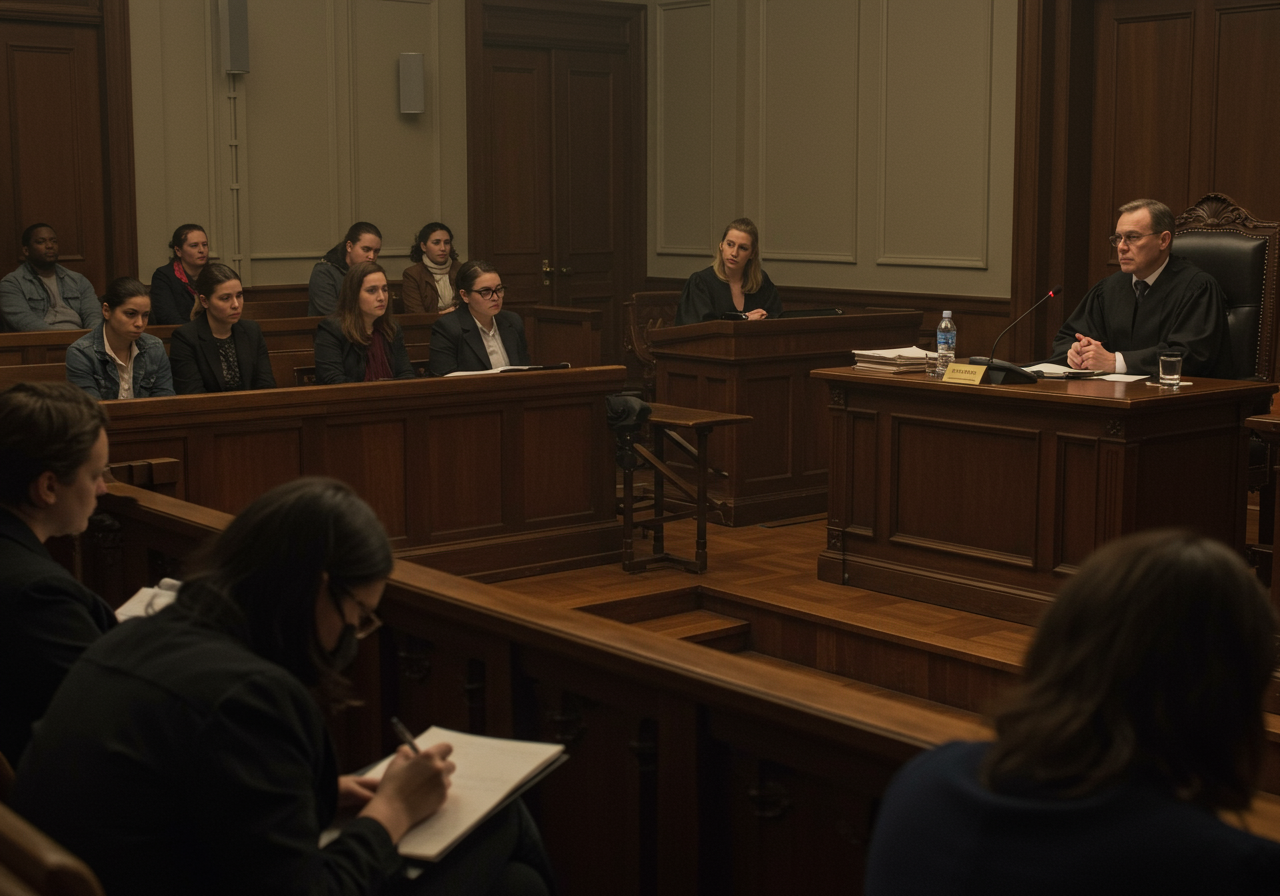
In a significant court hearing that has caught international attention, the intersection of democracy advocacy and cultural policies has taken center stage in Slovakia. This hearing, which continues to unfold amidst a backdrop of political turbulence and public scrutiny, raises important questions about the balance between cultural policy and democratic ideals—a subject that has ramifications far beyond Slovakia’s borders.
The case involves high-profile political dynamics and tensions that reflect larger global issues about cultural identity and governance. At the heart of the hearing is the prominent Slovak politician, Robert Fico, whose political maneuvers and cultural strategies have long been under the spotlight. Fico, known for his nationalistic rhetoric and controversial policies, invariably finds himself amidst debates over potential overreach and the role of cultural policies in a robust democracy.
During the hearing, the court examined the implications of cultural policies that have been both praised for promoting national identity and criticized for allegedly marginalizing minority voices. The discussion highlights how cultural initiatives can be a double-edged sword, serving to bolster a sense of national pride while potentially stifling diverse perspectives that are essential to a democratic society.
Fico’s administration has often touted its cultural policies as a protective measure for Slovakia’s heritage in an increasingly globalized world. However, critics argue that these policies strategically consolidate power by defining cultural norms that align with a singular, often exclusionary, narrative of national identity. This has led many to question whether such measures truly serve the democratic values they profess to uphold or if they risk veering into authoritarianism under the guise of cultural preservation.
The Intersection of Culture and Politics
The political climate in Slovakia reflects a broader trend in which governments around the world grapple with the dual objectives of cultural preservation and democratic inclusivity. Fico’s policies have reignited debates among political scientists and cultural theorists alike, concerning the role that state-led cultural policies should play in a democratic society. The question at the forefront is whether these policies protect or undermine democratic tenets.
During the court hearing, various experts presented differing views. Some argued in favor of Fico’s approach, seeing it as a necessary step to safeguard Slovakia’s cultural identity amidst pressures from external influences. They contend that in an era of transformative globalization, efforts to preserve unique cultural characteristics are not only beneficial but necessary to maintain a sense of national coherence and unity.
Conversely, opponents of this viewpoint suggest that an overemphasis on cultural policies can alienate minority groups, thereby threatening the pluralism that democratic societies are built upon. They emphasize the need for policies that are inclusive and reflective of diverse cultural identities, warning that exclusionary practices can exacerbate social divisions and erode trust in democratic institutions.
The Broader Implications
The case in Slovakia serves as a microcosm of the challenges faced by democracies worldwide in maintaining a balance between cultural heritage and inclusivity. As the global political landscape becomes increasingly polarized, nations are finding it difficult to strike a balance that satisfies both majorities and minorities while adhering to democratic values.
Critically, this hearing could set a precedent in Eastern Europe, where similar debates about cultural policy and democracy are prevalent. Fico’s strategies, seen by some as hegemony of the majority, have implications for how other nations might approach their own cultural policies amidst rising nationalist sentiments.
The court’s decision in this case could have far-reaching effects, shaping policy frameworks not only in Slovakia but across Europe and potentially influencing international discourse on cultural policy and democracy. This matter underscores the delicate act of policy-making, where decision-makers must navigate complex cultural landscapes and make choices that reflect both the past and the aspirations of an evolving society.
A Reflection on Democratic Values
As Slovakia navigates through this pivotal moment, the court’s eventual decision will be a testament to how it interprets democratic values in the context of cultural preservation. For Fico and his allies, this is a litmus test of their cultural policies and their alignment with democratic principles. For the citizens, it is an assurance—or warning—of governmental adherence to democratic ideals.
This trial necessitates a broader reflection on how cultural policies are crafted and the principles that guide them. In recognizing culture’s capacity to unite and divide, policymakers must strive to create frameworks that not only safeguard national identity but also embrace the diverse fabric of modern societies. It stresses the importance of dialogue between cultural conservation and democratic advancement, urging countries to consider their policies’ implications on inclusivity and freedom.
In conclusion, as the court hearing continues in Slovakia, the reverberations of its outcome will likely extend beyond its borders, contributing significantly to the global discourse on democracy and cultural policy. At this critical juncture, the balance Slovakia chooses to strike could serve as a defining moment in how nations perceive their cultural identities and their responsibilities in upholding democratic values in an interconnected world. The decisions made today may well shape the landscape of cultural and democratic policy for future generations.