 Kristina Vankova
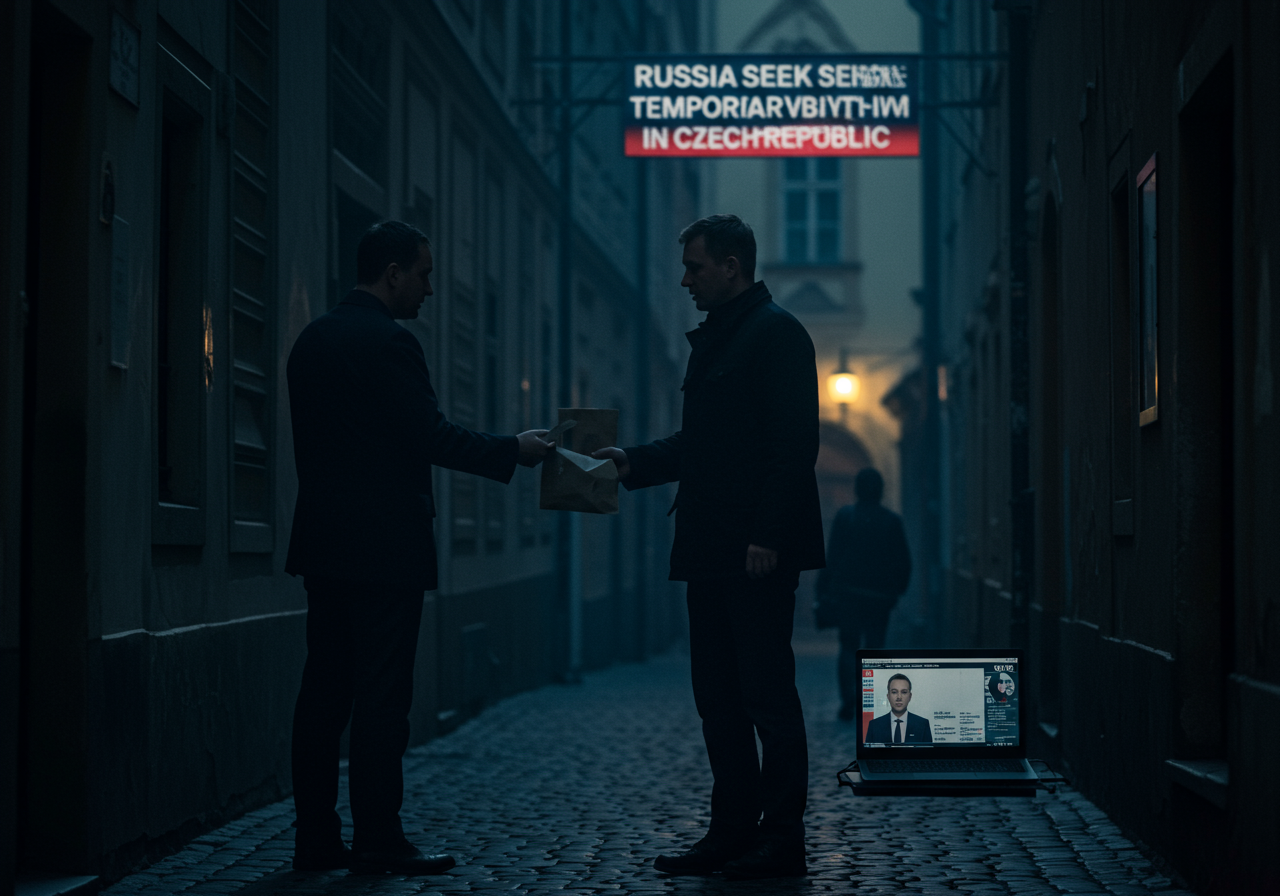
As geopolitical tensions continue to rise between Russia and various European states, the Czech Republic finds itself caught in a critical struggle. Recently, the Czech Security Information Service (BIS) has raised alarms over Russia’s intensified efforts to recruit temporary operatives within the nation. These individuals, often referred to as “agents of one-time use,” serve fleeting yet crucial roles in intelligence efforts, posing significant security concerns for the Czech Republic.
Emerging Threats from Russia’s Intelligence Operations
In its recent bulletin, BIS outlined how Russia has escalated its covert activities across Central Europe, specifically targeting the Czech Republic. These temporary operatives are tasked with limited-scope assignments, enhancing Russia’s ability to conduct espionage without leaving substantial footprints. The use of such transient agents complicates the identification process for counterintelligence agencies, as these operatives typically engage in single missions before ceasing operations.
The strategic recruitment of these agents bears significance due to the critical geopolitical position of the Czech Republic. Situated at the heart of Europe, the country serves as a central hub for international diplomacy and commerce, making it a lucrative target for intelligence operations. Moreover, historical ties between the two countries have facilitated a network that Russia could exploit to infiltrate key institutional sectors.
The Role of Technology and Communication Channels
Another facet of Russia’s intelligence strategy involves exploiting digital communication platforms, notably using encrypted messaging services like Telegram. These platforms, managed directly from Moscow, act as conduits for issuing instructions and receiving reports without direct contact, thus maintaining operational secrecy. Telegram channels often serve as repositories for intelligence acquired by these operatives, ensuring the rapid relay of information back to Russian authorities.
According to BIS reports, these communication platforms are well crafted to withstand interception attempts by foreign countersurveillance, mainly due to sophisticated encryption technologies. By leveraging such channels, Russia enhances the efficacy of its espionage efforts while minimizing the risk of detection.
Implications for Czech National Security
The continual recruitment of single-use agents underlines significant vulnerabilities in the Czech security apparatus. The dynamics of modern intelligence require proactive measures to counter such sophisticated infiltration techniques. For Czech policymakers, this development mandates an urgent reevaluation of security protocols and intelligence-sharing mechanisms within the broader European framework.
This revelation also indicates broader security implications beyond Czech borders. Given the interconnected nature of European security, a breach in one nation’s sovereignty can ripple through the entire region, weakening collective defense mechanisms. Enhanced collaboration with NATO allies and reinforcing intelligence-sharing agreements with neighboring countries could be pivotal in countering such threats.
Czech Response and Strategic Recommendations
In response to these emerging threats, the Czech Republic has already begun to augment its counterintelligence capabilities. Allocating more resources towards cyber defense and enhancing cross-agency coordination form the backbone of these efforts. Furthermore, BIS underscores the need for heightened public awareness regarding such espionage activities, urging citizens and institutions to remain vigilant against potential recruitment by foreign entities.
Strategic recommendations include enhancing cyber literacy among the populace to recognize and report suspicious activities. Moreover, investing in advanced surveillance technologies can allow for better monitoring of encrypted communications, reducing the anonymity that these operatives currently exploit. Strengthening existing legal frameworks on data security could also be instrumental in mitigating these risks.
International Implications and Reactions
Russia’s aggressive intelligence maneuvers have drawn international scrutiny, prompting discussions among European diplomatic circles regarding the necessity for a unified response. While each nation must fortify its security apparatus, collective action remains indispensable in presenting a formidable front against such covert operations.
International organizations, including the European Union and NATO, have reiterated the importance of solidarity among member states in combating espionage. These entities advocate for enhanced intelligence-sharing agreements and synchronized countermeasures to safeguard national sovereignties effectively.
Furthermore, these revelations necessitate a reassessment of diplomatic dynamics with Russia. As intelligence tensions escalate, European nations may need to reevaluate their engagement strategies with Moscow to mitigate potential confrontations. While keeping diplomatic channels open remains crucial, ensuring that such dialogue does not compromise national security interests is paramount.
The Broader Context of Russia’s Foreign Policy
The recruitment of temporary operatives in the Czech Republic underscores a broader trend in Russia’s foreign policy strategy, emphasizing asymmetric warfare and unconventional tactics. These actions are indicative of a wider objective to maintain geopolitical influence across Europe, concurrently undermining Western alliances.
Such strategies reflect historical precedents, often employed during periods of heightened tension to test the resilience of opposing nations. By leveraging soft power methods alongside covert operatives, Russia aims to maintain influence within the European geopolitical landscape, projecting strength without engaging in overt conflict.
Understanding these underlying paradigms allows for a more nuanced analysis of Russia’s strategic objectives and aids policymakers in crafting informed responses. As nations grapple with these challenges, the emphasis should remain on adaptability, ensuring that security strategies evolve to counteract diverse and evolving threats effectively.
In conclusion, the recent disclosures by the Czech Security Information Service illuminate the persistent and evolving nature of Russian espionage activities within Europe. The urgency for robust counterintelligence measures, alongside international cooperation, underscores the critical importance of safeguarding national integrity amidst complex geopolitical currents. With vigilance and strategic innovation, the Czech Republic, alongside its allies, aims to protect its sovereignty in this age of digital espionage and intelligence warfare.