 Kristina Vankova
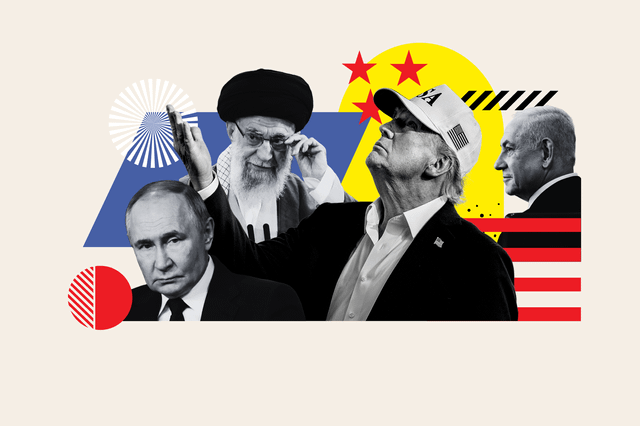
In a bold move reflecting the intricacies of international diplomacy, Donald Trump recently announced a deal aimed at bolstering Ukraine’s defense capabilities. In collaboration with NATO, the U.S. plans to dispatch military support to the embattled Eastern European nation. This development underscores the geopolitical tensions that continue to characterize relations between Western powers and Russia, especially amid ongoing conflicts in Ukraine.
The Strategic Negotiation
Trump’s negotiation to send U.S. weapons to Ukraine via NATO reveals a strategic alignment with allies in Europe to counteract Russian aggression. This decision marks a pivotal step in reinforcing NATO’s commitment to its Eastern European members and partners, emphasizing collective defense frameworks. According to Trump, the deal emphasizes bolstering Ukraine’s defense systems to ensure its sovereignty against external threats.
Although the specific details of the deal remain undisclosed, officials have indicated that the support will include advanced weaponry designed to enhance Ukraine’s military resilience. This tactical support aims to restore some balance to the region, where Ukrainian forces have been combating Russian-backed separatists since 2014. The agreement also sends a strong political message, reaffirming Western support for Ukraine amid its ongoing struggles.
Diplomatic Reactions
The announcement has sparked a wide array of responses on the global stage. In the U.S., proponents of strengthening NATO and supporting democratic institutions have welcomed the move as a necessary measure to uphold international law and national sovereignty. Defense analysts suggest that solidifying Ukraine’s military capacity could deter further Russian advances and stabilize the volatile region.
Meanwhile, the response from the Kremlin was predictably less favorable. Russian officials have condemned the deal as an act of provocation that could exacerbate tensions rather than promote stability and peace. Moscow maintains that Western military interventions in Ukraine are unwarranted and provoke unnecessary hostility. This development contributes to the complex and often strained diplomatic relations between Washington and Moscow.
Implications for U.S.-Russia Relations
The accord comes at a time when U.S.-Russia relations are already tense, with numerous points of contention ranging from cybersecurity attacks to election interference. The decision to send military aid to Ukraine could further strain diplomatic ties, potentially complicating negotiations on other critical issues such as nuclear arms control and climate change.
Experts note that while the Trump administration’s agreement with NATO underscores a commitment to defending allies, it also risks inflaming existing hostilities between East and West. Balancing a firm stance against perceived aggression without escalating into open conflict will require nuanced diplomacy.
The international community watches closely as these dynamics unfold. How this military support impacts the conflict in Eastern Ukraine remains to be seen, but its symbolic importance as a show of solidarity with Ukraine is undeniable.
In conclusion, Trump’s negotiation to facilitate U.S. defense support for Ukraine via NATO stands as a testament to the complex and multi-layered nature of global geopolitics. It underscores the Western commitment to countering Russian influence while safeguarding democratic nations in Europe. However, it also introduces new challenges and responsibilities, as both superpowers navigate a precarious path towards stability and peace in the region.