 Kristina Vankova
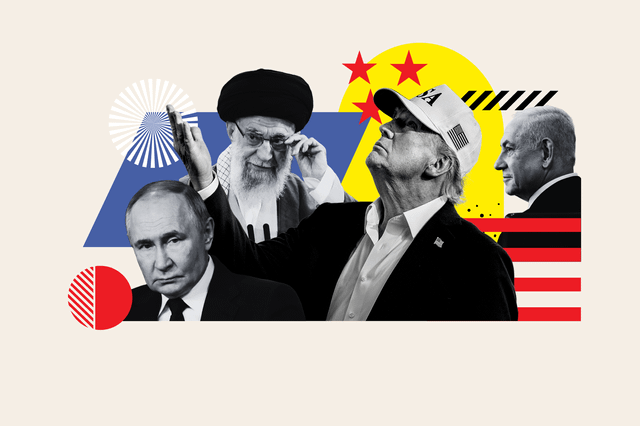
In recent years, Donald Trump has repeatedly expressed his desire to withdraw the United States from what he views as costly and unnecessary international engagements. As the former President sought to reshape U.S. foreign policy, he encountered significant challenges in reducing America’s involvement on the global stage.
The Complexity of International Reduction
Attempting to scale back the U.S.’s international commitments is more complex than it might initially appear. The interconnectedness of global economies and security frameworks means that any reduction in involvement can have far-reaching ramifications. Trump’s administration discovered that disentanglement from global affairs can be fraught with risk and unintended consequences.
Through various decisions, including pulling back from international agreements and institutions, Trump aimed to bolster his “America First” agenda. However, each move demanded careful navigation to maintain diplomatic relations and protect American interests abroad. Such efforts often met with resistance not only from foreign allies but also within the U.S. political landscape.
Navigating Diplomatic Challenges
The administration’s approach was marked by several notable attempts to retreat from international commitments. The decision to withdraw from the Paris Climate Agreement, for instance, drew widespread criticism. This move not only impacted global environmental efforts but also strained relationships with allies who remained committed to combating climate change.
Trump’s skepticism towards NATO further complicated diplomatic ties with European allies. His demands for member nations to increase defense spending stirred tensions, provoking discussions about the alliance’s relevance in addressing contemporary security challenges. These actions reflected a strategic shift but also underscored the delicacy involved in renegotiating long-standing international alliances.
Trade Policies and Economic Impacts
On the economic front, Trump’s administration moved to renegotiate key trade agreements, including NAFTA, resulting in the United States-Mexico-Canada Agreement (USMCA). While proponents argued these changes would benefit American workers, critics warned of potential disruptions to international trade relationships.
The imposition of tariffs on imports, particularly from China, marked a significant departure from previous trade policies. These decisions sparked trade tensions, affecting global markets and eliciting retaliatory measures from affected nations. While intended to protect domestic industries, such strategies also faced backlash from businesses reliant on international supply chains.
Security and Military Considerations
In terms of military engagement, Trump’s administration pursued a reduction of U.S. troop presence in several conflict zones. The intention was to shift the burden of military operations to local forces and partners. However, the execution of these plans faced hurdles, with concerns about regional stability and the rise of extremist groups complicating withdrawal efforts.
Particularly in Afghanistan, the drawdown of troops was a contentious point. Although the goal was to end the longest-running U.S. war, the pace of withdrawal faced criticism from military and foreign policy experts. They cautioned against leaving a power vacuum that could be exploited by insurgent groups.
Balancing Domestic and International Pressures
Another layer of complexity in reducing international involvement was balancing domestic political pressures with global expectations. Trump’s actions were often met with intense debate within Congress, illustrating the challenges of securing bipartisan support for major foreign policy shifts.
Domestically, there was a strong divide over the appropriate level of U.S. involvement overseas, with debates centering around national security priorities versus economic constraints. This division reflected broader ideological differences concerning America’s role in the world.
Ultimately, while Trump’s endeavors to retreat from the world stage were met with various obstacles, they underscored the enduring debate over America’s place in global affairs. The pursuit of reduced involvement raised significant questions about the responsibilities and implications of the United States in an increasingly interconnected world.
As the global landscape continues to evolve, the discourse surrounding international engagement and the redefinition of alliances remains a critical conversation, shaping future U.S. policy decisions and their impact on the international order.