 Kristina Vankova
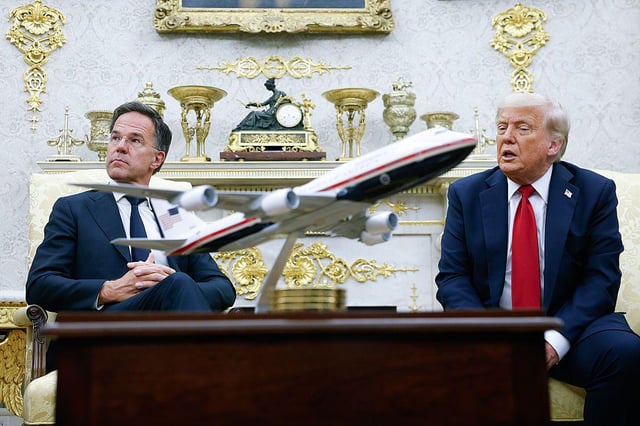
Europe has been left reeling in the wake of a major diplomatic move by the United States regarding Ukraine. In a surprising announcement, former President Donald Trump unveiled a deal with Ukraine that many European nations found out about only after it became public. The agreement, which bypassed the usual diplomatic channels and consultations with European allies, has set off a flurry of reactions across the continent.
A Sudden Diplomatic Shift
The surprise announcement has raised significant concerns among European leaders, who were neither briefed nor consulted about the deal. Traditionally, matters concerning Ukraine have seen extensive cooperation between Washington and European capitals, given the region’s geopolitical sensitivity and the ongoing conflict involving Russia. This sudden shift in diplomacy leaves Europe questioning the approach and motives behind the U.S.’s strategic decisions.
The deal itself is shrouded in ambiguity, with limited details available to the public and European officials. Speculations swirl around its implications, especially in light of ongoing tensions in Eastern Europe. The announcement has intensified the debate about America’s foreign policy approach, posing questions about its alignment with Europe’s strategic interests.
European Reactions and Concerns
The lack of communication has prompted criticism from several European nations, most notably Germany and France, who play pivotal roles in European Union foreign policy. These countries have long emphasized the importance of a unified European stance on Ukrainian issues, striving for cohesion in confronting Russian aggression and supporting Ukraine’s sovereignty.
European Union officials have expressed their bewilderment over the fundamental departure from established protocols. With the deal’s announcement coming as an apparent bolt from the blue, several European states now find themselves scrambling to understand its full ramifications, both diplomatically and strategically.
Key Concerns Raised
- The potential realignment of U.S. foreign policy priorities and its impact on transatlantic relations.
- The implications for European security and the ongoing conflict in Ukraine.
- A perceived sidelining of European interests, which undermines collaborative efforts in the region.
Implications for Transatlantic Relations
The sudden nature of the deal and the lack of European involvement highlight the frictions that can arise in transatlantic relations. Experts argue that this development could be a test for NATO and the EU’s ability to maintain a unified front. Some analysts perceive this as a move by Trump to assert a unilateral foreign policy direction that might diverge from what Europe deems acceptable or effective.
In the complex mosaic of international diplomacy, the activities of one nation can have profound ripple effects. Europe’s surprise at the U.S.’s maneuver underscores emerging complexities in the post-Cold War world order, where geopolitical allegiances and strategies are constantly evolving. Thus, the deal’s ramifications could potentially echo through the corridors of European power long after it has been implemented.
As the world continues to digest the news, European leaders maintain their calls for clarity and engagement from the U.S., seeking to address the “new normal” this agreement might usher in. Whether this deal marks a transient rift or a broader shift remains to be seen, but its immediate effects punctuate an already tense geopolitical narrative surrounding Ukraine.