 Kristina Vankova
The International Criminal Court (ICC) has issued a stark warning regarding the escalating humanitarian crisis in Sudan’s Darfur region, highlighting that the situation has reached unimaginable levels of suffering. A combination of a violent conflict, severe food shortages, and widespread displacement has placed millions of lives at risk, urging immediate global attention and intervention.
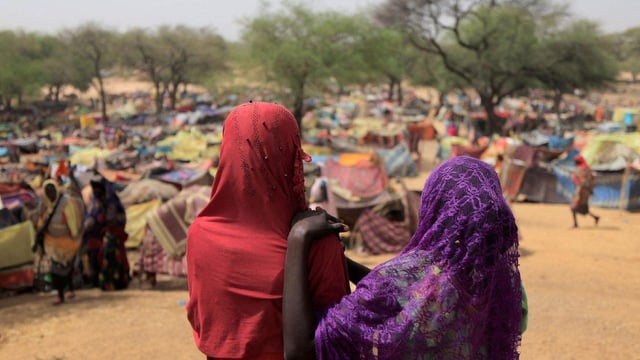
Darfur, a region already scarred by years of strife, is now experiencing an exacerbation of its ongoing crisis. Reports from various humanitarian organizations painting a dire scenario have prompted the ICC to describe the plight faced by civilians as “suffering beyond words.” The violence has resulted in an alarming death toll and the displacement of countless individuals, creating a humanitarian nightmare on an unprecedented scale.
Conflict’s Impact on Civilians
As fighting intensifies, civilians are bearing the brunt of the conflict, with women and children being disproportionately affected. The renewed clashes have severely disrupted daily life, demolishing essential infrastructure and cutting off access to necessities such as food, water, and healthcare. Thousands are fleeing their homes in search of safety, adding to the swelling numbers of internally displaced persons.
Human rights organizations have documented numerous atrocities committed amidst the chaos. Reports of systemic sexual violence, indiscriminate attacks on populated areas, and unlawful killings have surfaced, painting a grim picture of the crisis. The widespread violence is not only a threat to peace in the region but also poses significant challenges to holding perpetrators accountable under international law.
Food Insecurity and Health Concerns
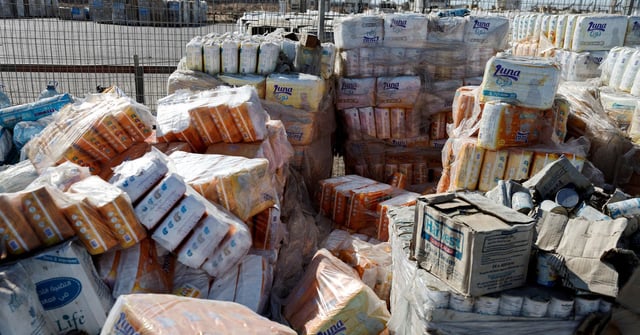
In addition to the immediate threat of conflict, Darfur is grappling with severe food insecurity. The turmoil has impeded agricultural activities, leading to a diminishing food supply. Aid agencies are struggling to reach affected populations due to continuing hostilities, further exacerbating the crisis.
Malnutrition rates, particularly among children, have surged, prompting fears of a looming health disaster. Health facilities, already limited and strained, are overwhelmed with the influx of patients in need of medical assistance. As conditions deteriorate, the risk of disease outbreaks—compounded by inadequate sanitation and access to clean water—has become a critical concern.
Calls for Immediate International Action
The ICC’s urgent appeal underscores the need for an immediate international response to avert further catastrophe. The global community has been urged to deploy all available resources to support the humanitarian response and pressure all parties involved to cease hostilities.
The complexity of the conflict, rooted in ethnic tensions, political power struggles, and resource competition, has hindered previous peace efforts. International stakeholders emphasize that a sustainable resolution requires a multifaceted approach, one that addresses the underlying causes of hostility while providing immediate relief to those affected.
The ICC continues to stress the importance of delivering justice to victims and ensuring accountability for crimes committed. However, achieving this in a volatile and unstable environment remains a significant challenge, necessitating renewed commitment from the international judicial community.
As the crisis deepens, the resilience of Darfur’s civilians is put to the test. The international eyes now fixed on Sudan must translate into concrete actions that can foster peace, provide relief to those in dire need, and pave the way for long-term stability in the region. The world’s response, or lack thereof, will determine the future trajectory of the region and the lives of countless individuals grappling with unimaginable hardship.