 Kristina Vankova
In a strategic diplomatic move, Malaysia has recently intensified its efforts to mediate a peaceful resolution between Thailand and Cambodia amid escalating tensions. Over the past few weeks, these Southeast Asian neighbors have been embroiled in a territorial dispute, primarily centered around the ancient Hindu temple Preah Vihear, situated on their shared border. This conflict has drawn significant attention from global observers, concerned about its potential to destabilize the region further.
Malaysia’s Role as Mediator
Recognizing the urgency to defuse the situation, Malaysia has taken a proactive role in advocating for a ceasefire and promoting dialogue between the two countries. Malaysian diplomatic officials have been engaging with both Thai and Cambodian leaders, urging them to consider negotiations as the primary solution to their disagreements. This diplomatic push aligns with Malaysia’s longstanding commitment to regional stability and peace within the Association of Southeast Asian Nations (ASEAN) framework, of which both Thailand and Cambodia are prominent members.
The Malaysian initiative is in line with its foreign policy strategy which emphasizes peaceful conflict resolution, and its position within the ASEAN bloc reinforces this approach. By serving as a neutral party, Malaysia is positioned to facilitate meaningful discussions aimed at resolving the dispute amicably.
Historical Context of the Dispute
The conflict over the Preah Vihear temple is not new; it has historical roots dating back to a ruling by the International Court of Justice in 1962, which awarded the temple to Cambodia. Despite this ruling, disputes over the land surrounding the temple have persisted for decades, occasionally erupting into skirmishes and military confrontations. The latest flare-up has seen troops from both sides stationed at the border, raising fears of a full-scale conflict.
Understanding the historical context is crucial, as it highlights the complexities involved in territorial disputes that intertwine cultural, historical, and political elements. The Preah Vihear temple holds significant cultural and historical importance to both nations, exacerbating the sensitivity of the issue.
International and Regional Reactions
The international community, including the United Nations and ASEAN, has expressed concern over the growing tensions, emphasizing the need for peaceful dialogue and the avoidance of any action that could exacerbate the conflict. ASEAN, in particular, has reiterated its commitment to regional peace and stability, offering support for Malaysia’s mediation efforts. The organization sees this as an opportunity to showcase its capability in conflict resolution within its member states.
Meanwhile, various countries and international organizations are monitoring the situation closely, underscoring the conflict’s broader implications for regional security. There is a shared apprehension that the conflict, if left unresolved, could lead to more significant geopolitical tensions in Southeast Asia.
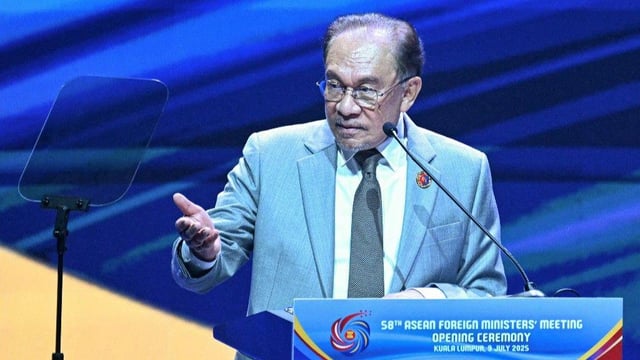
Malaysia’s diplomatic activities continue to gain traction, with its leaders advocating for cooler heads to prevail. In a recent statement, the Malaysian foreign minister emphasized the need for a joint commitment to peace, urging both nations to come to the negotiating table.
Steps Toward Resolution
- Encouraging open dialogue: Malaysia is advocating for a series of meetings between Thai and Cambodian officials to discuss the situation calmly and constructively.
- Inviting third-party mediation: Should direct dialogue prove challenging, Malaysia suggests involving reputable international mediators to offer neutral ground for negotiations.
- Strengthening ASEAN’s role: Using ASEAN’s established protocols and frameworks, Malaysia proposes a collaborative approach to manage and de-escalate the conflict.
- Utilizing historical and legal frameworks: Encouraging both parties to respect international rulings and pursue legal avenues for claims.
The coming weeks will be pivotal in determining the direction of this dispute. Malaysia’s initiative is seen as a crucial test of diplomacy in Southeast Asia, offering a glimpse into the region’s ability to manage internal conflicts peacefully. As Malaysia continues to emphasize diplomacy over confrontation, the region watches closely, hoping for a peaceful resolution to this longstanding issue.
Malaysia has reiterated its commitment to facilitating discussions and enabling both Thailand and Cambodia to reach a mutual understanding. The stakes are high, not just for the parties directly involved, but for the stability and prosperity of Southeast Asia as a whole.
As the world waits to see how this diplomatic endeavor unfolds, the emphasis remains on peace, mutual respect, and the hopeful prospect of an amicable resolution.