 Kristina Vankova
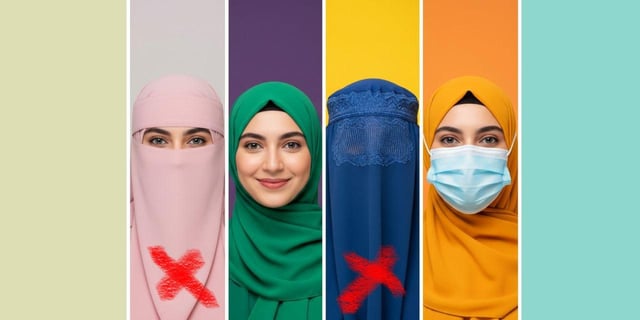
The government of Kazakhstan is on the verge of implementing a new regulation that will significantly restrict the wearing of face coverings in public spaces. This move, which has sparked a lively debate across the country, is part of a broader effort by the authorities to address safety and cultural assimilation concerns. While proponents argue the ban is essential for security and societal cohesion, critics see it as a potential infringement on personal freedoms and religious expression.
Background and Rationale
The proposed legislation is primarily aimed at clothing that obscures facial identity, including the niqab and burqa. Officials argue that such garments pose a security risk by making identification difficult. Additionally, the government has expressed concerns that face coverings hinder cultural integration, particularly in a nation with an increasingly diverse population.
Historic tensions around religious attire have long been part and parcel of Kazakhstan’s social fabric, reflecting its position as a nation straddling both European and Asian cultural influences. The leadership maintains that the proposed laws align with policies seen in various European countries, which have enacted similar bans citing security needs. Kazakhstan’s officials suggest that such measures will encourage unity and help bridge cultural divides.
Public Reaction
Public opinion on the ban is divided. Supporters believe that the restrictions will contribute to a more secure and harmonious society. Many citizens, particularly those in urban centers, perceive the legislation as a necessary step in modernizing and protecting the populace. This perspective is bolstered by concerns over potential extremist threats.
Conversely, criticism has emerged from human rights activists and religious communities. Opponents argue that the ban infringes upon individual religious rights by limiting the freedom to practice religious customs as one sees fit. The Islamic community, in particular, has expressed concerns over how this regulation might marginalize certain religious expressions and create divisions rather than fostering integration.
International Perspectives
Kazakhstan’s proposed policy has drawn international interest, with observers noting similar legislation in European nations such as France and Belgium. These precedents serve as both a reference point and a cautionary tale. In many cases, such bans have faced legal challenges and street protests, with critics arguing they target specific religious groups unfairly.
Organizations advocating for religious freedom and human rights have been vocal in their criticism of Kazakhstan’s proposal. They warn that the ban might set a troubling precedent and argue for the protection of individual rights to cultivate a truly inclusive society.
Looking Forward
The regulation is expected to go into effect following a parliamentary review and public consultation period. Authorities have indicated they are open to feedback and willing to make amendments to ensure the legislation balances security with personal freedom. However, the potential for heightened tensions and societal division remains a critical concern for policymakers.
In the coming months, Kazakhstan’s legislative process will likely be watched closely both domestically and abroad. The implications of such a ban are wide-reaching, touching on issues of national identity, security, and the balance between cultural modernization and respect for traditional practices.
As Kazakhstan moves forward with these proposed restrictions, the nation finds itself at a crossroads. The challenge lies in navigating these policies’ socio-cultural ramifications while striving to maintain a secure and non-exclusionary public space for all its citizens.