 Kristina Vankova
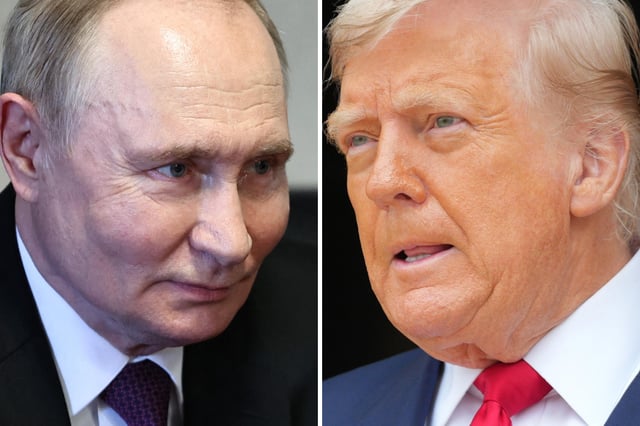
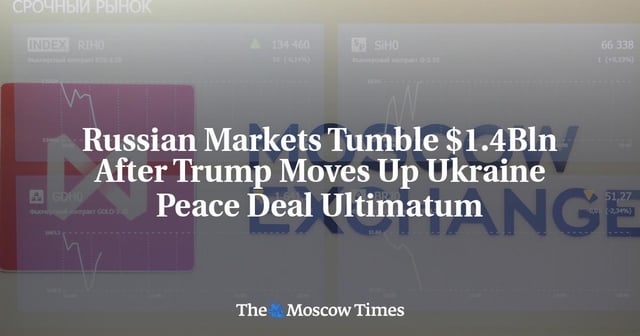
The Russian financial landscape faced a significant upheaval as markets saw a dramatic decline following a decision by former U.S. President Donald Trump to accelerate the timeline of a Ukraine peace deal. The resulting uncertainty sent ripples through Russian markets, wiping a staggering $14 billion off market valuations in a single day. This development has raised questions about the potential long-term implications for the Russian economy, which has already been grappling with the impacts of international sanctions and fluctuating oil prices.
Market Volatility Unleashed
The decision to expedite the timeline of the Ukrainian peace deal caught many investors off guard, leading to a frenetic sell-off on the Moscow Exchange. Analysts noted that the abrupt change in the geopolitical landscape spurred fears among investors, who are now questioning the stability and predictability of the region’s future. The Moscow Exchange Index saw a precipitous drop, marking one of the most significant daily declines in recent history.
Financial experts have been quick to point out that this level of market volatility is indicative of underlying fragilities within the Russian economy. “The tension resulting from geopolitical decisions can translate into significant market swings, as seen in this instance,” said a leading market analyst from a prominent Moscow-based investment firm. “Investors are understandably nervous, and this unease is reflected in today’s market performance.”
Geopolitical Implications
Beyond the immediate economic impact, the alteration to the Ukraine peace deal’s timeline has profound geopolitical ramifications. The original deal was seen as a milestone towards stabilizing the region, and any modifications to its timeline might alter the delicate balance achieved in previous negotiations. Trump’s decision, therefore, not only affects economic processes but could also jeopardize the fragile peace that had been established.
For Russia, the move comes at a time when the country is looking to reposition itself on the global stage amidst ongoing tensions with Western nations. As Russia continues to face sanctions and diplomatic pressure, the stability of its markets is more crucial than ever. The unpredictability introduced by changes to international agreements threatens to undermine investor confidence further and could lead to a prolonged period of economic strain.
Economic Challenges Ahead
The immediate market reactions are a harbinger of the broader economic challenges that Russia may face in the near future. The nation’s heavy reliance on oil and gas exports makes it particularly vulnerable to external shocks, and the current situation underscores the need for a more diversified economic strategy.
Some experts warn that unless Russia takes measures to mitigate such vulnerabilities, the ramifications of the market tumble could extend beyond short-term financial loss. A strengthened economic foundation would not only buffer against geopolitical risks but also enhance Russia’s capacity to maintain stability in the face of external pressures.
As the dust settles from this recent market turbulence, both Russia and its international partners are left to consider the complexities and challenges of sustaining peace while ensuring economic resilience. The interplay between geopolitical decision-making and market confidence continues to play a pivotal role in shaping the region’s economic outlook.