 Kristina Vankova
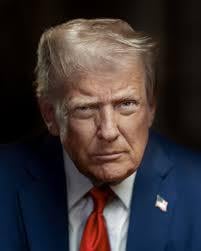
The announcement of a 25% tariff imposed on Indian goods by the Trump administration has sparked discussions across international trade communities and political circles. This latest move is seen as part of a broader strategy by the United States to recalibrate its trade relationships worldwide, focusing specifically on addressing what it perceives as imbalances.
Impact on India’s Economy
India, the world’s seventh-largest economy, faces a significant challenge in adapting to the new tariff measures. The sectors most likely to bear the brunt include textiles, automotive parts, and information technology. India’s export-driven industries, which rely heavily on access to the vast American consumer market, could experience short-term disruptions.
Industry leaders in India have expressed concerns over potential job losses and reduced growth rates in export sectors. Companies may need to seek alternative markets to offset the impact of the tariffs, which could lead to increased operational costs. This shift may also spur innovation and adaptation in Indian manufacturing and service industries as they adjust to the changing landscape.
U.S. Objectives and Trade Balance
From the U.S. perspective, the tariff aims to close the trade deficit with India, which has been a persistent issue for successive American administrations. The tariffs are intended to incentivize U.S. companies to source products domestically and encourage foreign companies to establish manufacturing bases within the United States.
However, the efficacy of tariffs in achieving these goals remains debated among economists. Some argue that while tariffs may temporarily reduce trade deficits, they can also lead to retaliatory measures by affected countries, potentially resulting in a negative impact on the global economy.
Diplomatic Repercussions and Future Relations
The imposition of tariffs has diplomatic implications as well. Historically, India and the United States have maintained a strategic partnership, cooperating on various fronts such as defense, technology, and climate change. The current tariff situation could test this partnership, with India expected to engage in diplomatic negotiations to seek concessions or relief.
Speculation surrounds the potential for reciprocal measures from India, such as increased tariffs on American imports or restrictions on certain U.S. businesses operating within Indian borders. Such actions, while aimed at balancing trade relations, could escalate tensions and complicate future negotiations.
As both nations navigate this complex trade environment, the outcome of these negotiations will likely have lasting consequences on their bilateral relationship and the broader international trade system. Businesses, policymakers, and consumers worldwide will be watching closely to see how this economic story unfolds.