Karolina Sedlackova
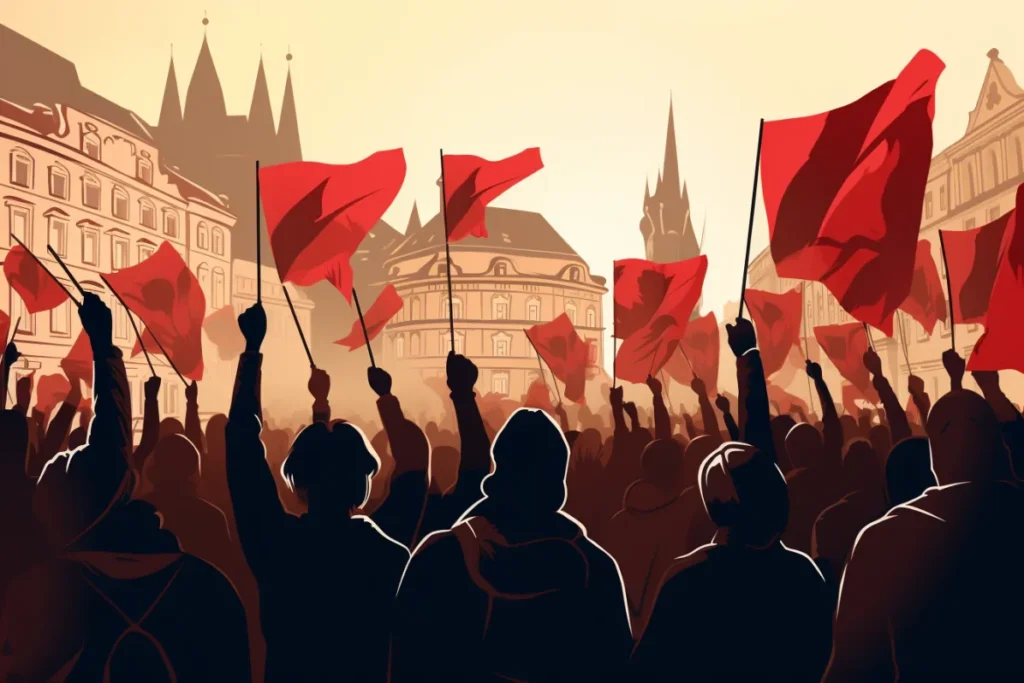
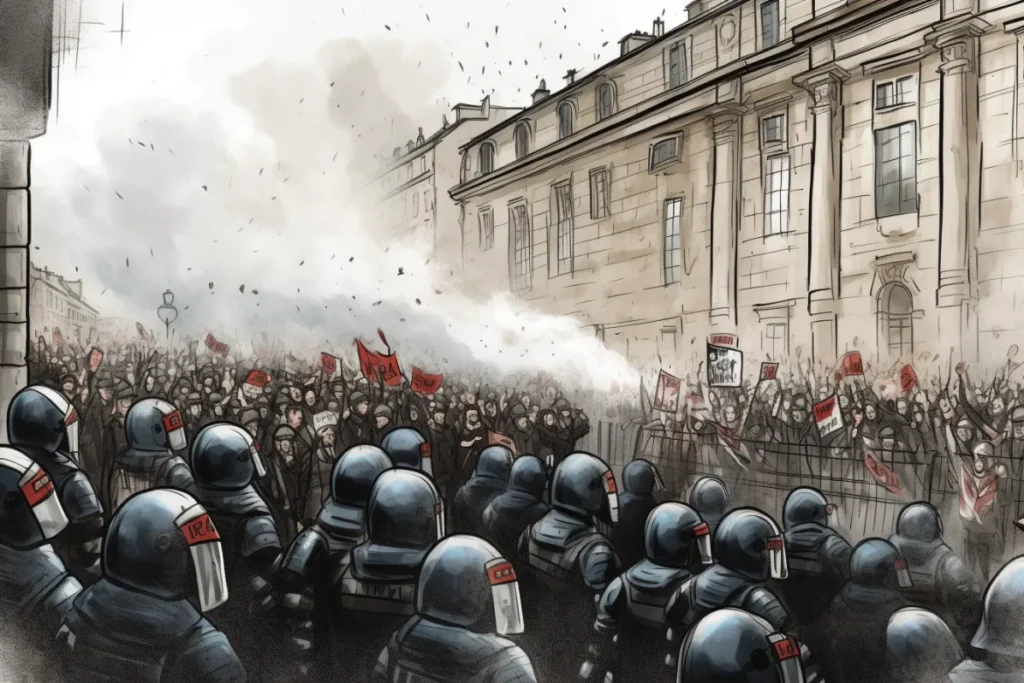
In a remarkable display of solidarity, the Czech Republic witnessed widespread protests and strikes across various sectors, challenging the government’s policies. From healthcare to education, from public offices to industrial sectors, the nation echoed with the voices of dissent.
Healthcare Sector Strikes: A Symbolic Stand
In a significant move, healthcare workers in some hospitals staged a symbolic one-hour warning strike. This action was carefully planned to avoid disrupting acute care and endangering lives. The strike primarily occurred during usual break times, ensuring minimal impact on patient care. For instance, appointments scheduled during the strike hour were simply rescheduled to a later time on the same day.
Education Sector’s Strong Participation
The education sector saw an overwhelming response, with up to 70% of primary, secondary, and kindergarten schools participating. Some institutions closed for the day, while others operated with limited services. Parents were informed in advance about the disruptions, although they did not receive any compensation for childcare expenses incurred due to the strike.
Industrial Sector’s Involvement
Hundreds of Czech companies in the industrial and food sectors also joined the protest with a one-hour warning strike, typically held between 12:00 PM and 1:00 PM. Notable participants included the Škoda Auto plant in Mladá Boleslav, several steel mills in the Moravian-Silesian region, and employees of the Prague Cable Factory.
Public Offices Join the Movement
Various public offices, including some branches of the Labor Office and the Czech Social Security Administration, participated in the strike. While some offices held a full-day strike, others limited their protest to one hour between 12:00 PM and 1:00 PM. Despite the strikes, these offices remained open, with senior officials, who are legally unable to strike, taking over duties.
Demonstrations and Rallies Across the Nation
In addition to strikes, numerous protest meetings and demonstrations were organized. One of the largest gatherings occurred at the Škoda Auto plant in Mladá Boleslav, where employees from both morning and afternoon shifts worked an hour less to participate in the protest. The main event in Prague began at 12:00 PM at Palach Square, with a march to Malostranské Square near the Chamber of Deputies, where union representatives presented their demands at 1:00 PM. Buses organized by unions brought demonstrators from outside Prague to Letná between 10:00 AM and 12:00 PM. Participants then moved to the gathering points, likely stopping at Straka Academy, where a petition site was set up. A smaller gathering at Jungmann Square involved university teachers and students, who marched to the Ministry of Education with their demands.
The Underlying Causes and Demands
The widespread protests and strikes were a response to various government policies perceived as unfavorable by different sectors. The healthcare sector’s symbolic strike highlighted the need for better working conditions and recognition. The education sector’s participation underscored the demand for improved funding and support. Industrial workers and public office employees joined in to voice their concerns over labor rights and working conditions.
The Government’s Response
The government’s reaction to these protests and strikes was a mix of acknowledgment and criticism. Some officials recognized the legitimacy of the grievances, while others questioned the timing and political motives behind the protests.
In conclusion, the day of nationwide protests in the Czech Republic was a powerful demonstration of unity across various sectors against government policies. The strikes and demonstrations brought to the forefront the pressing issues faced by healthcare workers, educators, industrial workers, and public office employees. The government’s response to these widespread protests will be crucial in addressing the concerns raised and finding a path forwar