 Jan Nettig
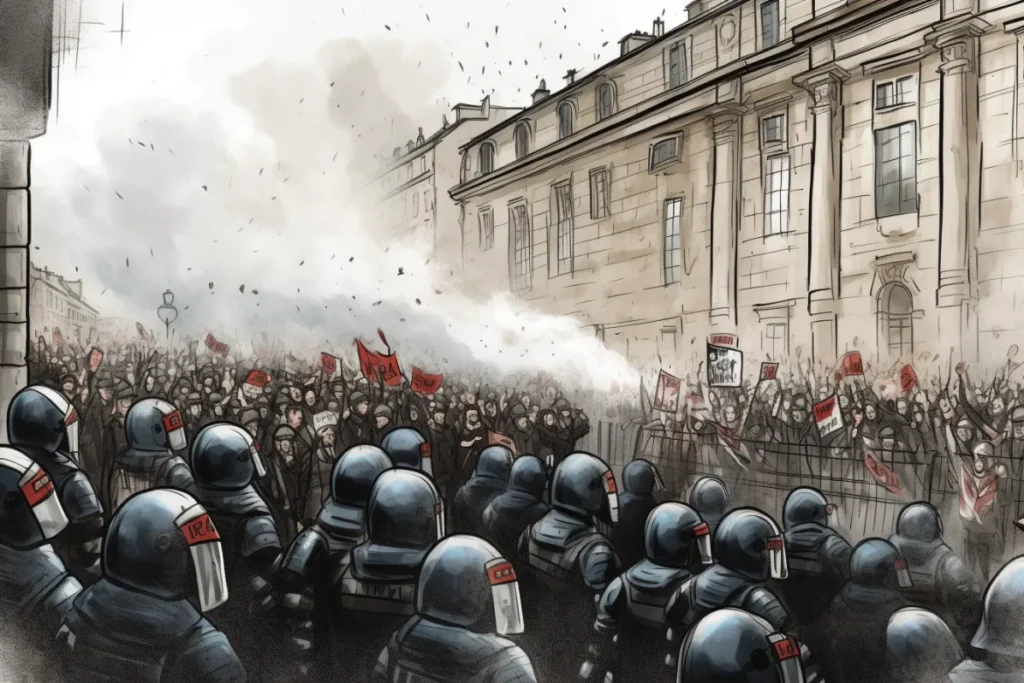
In a remarkable display of solidarity and frustration, the Czech Republic witnessed a massive strike on Monday against the government’s policies under Prime Minister Petr Fiala (ODS). This nationwide protest, involving various sectors, marked a significant moment in the country’s recent history.
The Strike’s Extent and Impact
Education at the Forefront: The strike saw an overwhelming participation from the educational sector, with estimates suggesting that nearly 70% of primary, secondary, and preschool institutions were involved. This massive involvement from schools highlighted the deep-seated discontent within the educational community.Beyond Education: The strike wasn’t confined to the education sector alone. It extended to transportation, healthcare, administrative, cultural, library, food industry, and woodworking unions. This broad spectrum of participation underscored the widespread dissatisfaction with the government’s approach.
The Core Issues
Protest Against Government’s Consolidation Package: The unions protested against the government’s consolidation package, which they believed would adversely affect the quality of education. The educational representatives demanded more funding for schools, warning that budget cuts could lead to a decline in educational standards.A Call for Social Dialogue: The unions accused the government of ignoring social dialogue, emphasizing the need for more inclusive and participatory governance.
Major Events of the Day
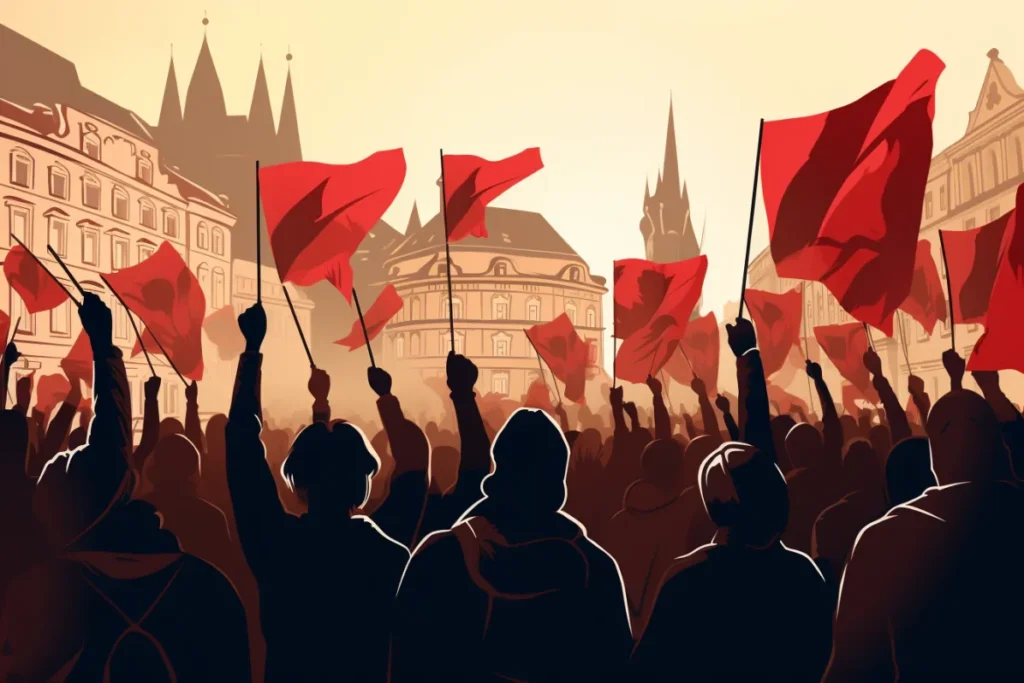
March for a Better Future: A significant event was the march from Jan Palach Square to Malostranské náměstí, where a demonstration titled “For a Better Future of the Czech Republic” was held. This march symbolized the collective aspiration for improved governance and policy-making.Student Involvement: Students played a crucial role in the protests, with many marching towards the Ministry of Education to express their concerns. They carried banners with messages like “The Ministry cuts, the youth suffer,” highlighting the impact of government policies on non-teaching professions such as cleaners and teaching assistants.Industrial Sector’s Response: While the industrial sector did not witness significant disruptions, there was a general sense of support for the strike’s objectives. This was evident in the symbolic gestures made by employees in various industries, such as wearing yellow armbands.
Government’s Reaction
Acknowledgment of Public Sentiment: The government, while standing by its policies, acknowledged the need to better communicate the necessity of pension reforms and financial consolidation to the public. There was an admission that more effort was needed to convince a significant portion of society about the rationale behind these measures.
The “Day of Anger” in the Czech Republic was not just a protest against specific policies but a manifestation of a broader demand for change and dialogue. It highlighted the need for more inclusive policy-making and the importance of addressing the concerns of various sectors of society. As the nation moves forward, the lessons from this day will likely influence the future course of its political and social landscape.