 Kristina Vankova
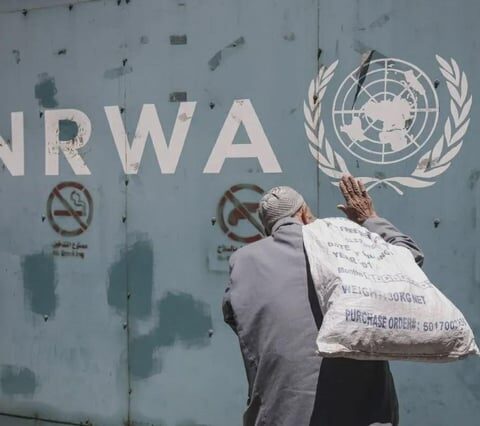
In a revealing account, a worker involved in the humanitarian aid sector shares a troubling experience in Gaza that has taken the spotlight on international aid distribution challenges. Speaking to BBC, the worker described witnessing a disconcerting situation involving colleagues during food distribution efforts, raising broader questions about the integrity and complexities surrounding aid operations in the region.
Challenge of Humanitarian Aid in Gaza
The Gaza Strip, often described as one of the most densely populated areas globally, is no stranger to humanitarian crises. With ongoing conflict and a blockade affecting living conditions, international aid plays a critical role in everyday survival for many residents. The report from the aid worker underscores the precarious balance organizations must maintain while operating in such a complex environment.
The worker, employed by an unnamed contractor involved in food distribution, detailed an incident that casts a shadow on the often-complicated aid process. According to his testimony, the distribution surrounding food supplies revealed concerns over how aid is managed and the environment under which these workers operate.
Worker’s Eye-Witness Account
During the interview, the worker recounted observing several coworkers engaging in behavior that compromised the integrity of the food distribution efforts. While specifics on the incident remain scant, the claim highlights systemic vulnerabilities within aid distribution frameworks. Such incidents may erode trust among the communities the aid is intended to help, potentially fostering suspicion and resentment.
The worker’s account not only issues a call for transparency but also underlines the importance of implementing stringent monitoring systems to ensure aid reaches its intended beneficiaries effectively. This revelation brings to light the significant obstacles faced by humanitarian organizations in safeguarding their endeavors against misuse and exploitation.
Reevaluating Humanitarian Strategies
Global humanitarian bodies often face criticism regarding inefficiencies and occasional misconduct. The situation in Gaza, as described by the worker, is a microcosm of broader challenges worldwide, where the sanctity of aid work is continually tested by external and internal pressures.
Humanitarian experts emphasize the need for innovative solutions and collaborative efforts among international partners to revamp aid distribution mechanisms. This includes greater accountability and utilization of technology to track supplies, ensuring transparency and minimizing human error or deliberate manipulation.
The question of aid effectiveness in conflict zones like Gaza remains a pervasive dilemma. Aid agencies operate under constant pressure to deliver essential resources, maintain neutral stances, and navigate the delicate political landscapes that often influence aid strategies.
As conversations around humanitarian aid evolve, integrating robust verification systems and fostering inclusive dialogues with local communities stand as pivotal steps towards improving trust and operational success. The incident reported by the Gaza aid worker serves as a powerful reminder of the ongoing need for vigilance, accountability, and reform in the humanitarian sector.
In light of these revelations, it becomes increasingly clear that sustained efforts to fortify the structural integrity of aid operations are essential. Only by addressing these vulnerabilities can the international community ensure that aid reaches those who need it most, ultimately fostering hope and resilience amid adversity.