 Kristina Vankova
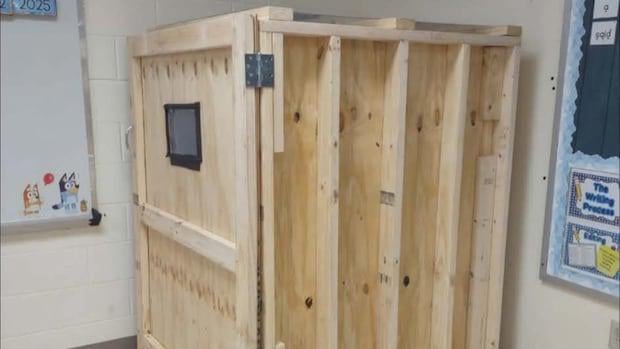
The Akwesasne community finds itself at the center of a heated discussion following revelations about a controversial timeout practice in one of its schools. The controversy flared up after photos of children placed in what has been described as an “isolation booth” began circulating, sparking outrage among parents and prompting educational authorities to take action.
Outrage Over Isolation Booths in Schools
Parents within the Akwesasne community were shocked when images emerged showing children in a confined area used supposedly as a disciplinary measure. Dubbed an “isolation booth,” this practice allegedly serves as a timeout zone for students who are perceived as disruptive or difficult to manage. For many parents, this raised significant concerns about the psychological and emotional well-being of their children.
One parent, visibly upset by the images, described the practice as “unconscionable,” questioning the school’s methods and the lack of transparency in how such measures are implemented. Many community members have expressed disbelief and anger, arguing that such practices echo punitive measures not suited for a modern educational environment that should prioritize growth and understanding over punishment.
School Administration’s Response
In the wake of these revelations, school administrators have been quick to address the swelling concerns. A statement from the school board clarified that the isolation booth was designed as a means to provide children a space to calm down, not as a punishment. The school emphasized that the booth was only used in specific circumstances and always under supervised conditions.
“We aim to support our students’ emotional and social development. The use of the timeout area is carefully monitored and is part of a broader strategy to help children learn self-regulation,” stated a school representative. Despite this clarification, the assurances have done little to quell the unease felt by many within the community.
Calls for Review and Policy Changes
In response to the uproar, community leaders and educational advocates are calling for a thorough review of disciplinary practices within the school. Many are urging the administration to ensure that policies align with contemporary educational standards that favor restorative practices over punitive isolation.
Several parents are now pushing for more involvement in decision-making processes at the school, seeking greater transparency and more robust discussions surrounding student welfare and discipline policies. The community is advocating for a shift towards positive reinforcement strategies and personalized support to address behavioral challenges among students.
Psychological Impact of Isolation Practices
Experts in child psychology have weighed in on the current controversy, suggesting that the use of isolation as a disciplinary measure can have adverse effects on children. Critics argue that such practices are likely to exacerbate behavioral problems rather than remediate them, potentially leading to increased anxiety and lower self-esteem among students.
Child development specialists advocate for approaches that provide constructive feedback and encourage children to express emotions healthily and productively. This aligns with broader educational paradigms that favor inclusive and supportive environments over exclusionary practices.
The community’s demand for accountability and change signifies a growing awareness of the potential harm caused by inappropriate disciplinary measures. Parents and activists are mobilizing to ensure their children’s educational environments are safe, nurturing, and conducive to both academic and personal growth.
Ultimately, the controversy surrounding the isolation booth practice at the Akwesasne school has sparked critical conversations about educational discipline and the importance of adopting strategies that prioritize the well-being of students. With tensions still high, the community remains vigilant, determined to ensure that the experiences of the past do not dictate the future of their children’s educational experiences.