 Kristina Vankova
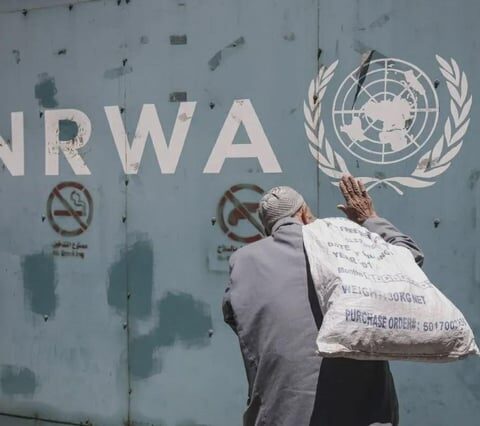
In a dramatic escalation of tensions in the Middle East, American aid workers have found themselves directly in the line of fire, resulting in injuries. For the first time, these humanitarians, whose mission is to assist and provide relief to communities affected by conflict, have been wounded. This incident marks a significant turning point in the safety and security of international aid operations in volatile regions.
Escalating Tensions in Conflict Zones
The Middle East has long been a hotbed for geopolitical clashes, often drawing international attention. Aid workers from various nations have dedicated their efforts to alleviating the hardships faced by those caught in the crossfire. However, the recent injuries of American humanitarians signal an alarming shift, bringing to the fore concerns about the security of foreign aid workers in hostile territories.
Traditionally considered neutral entities, humanitarian organizations aim to provide much-needed support without taking sides in conflicts. Despite this neutrality, the unpredictable nature of conflict zones means that these workers are often at risk. The recent incident underscores the increasingly blurred lines between combatants and non-combatants in modern warfare.
Implications for Humanitarian Efforts
The attack on American aid workers could have far-reaching implications for the future of humanitarian assistance in the Middle East. Many organizations may reconsider deploying personnel to regions where the threat level is deemed excessively high. This could ultimately lead to a reduction in the aid and support available to populations caught in the midst of conflict, exacerbating their already dire circumstances.
Aid agencies might be forced to revise their operational strategies, placing greater emphasis on remote assistance and partnerships with local groups. This shift could help mitigate risk, although it may also compromise the effectiveness of direct aid delivery.
Challenges Facing Aid Organizations
- Ensuring the safety of personnel while maintaining effective operations.
- Navigating unpredictable security environments and rapidly changing political landscapes.
- Sustaining financial and logistical support amidst growing crises.
International Reactions and Security Measures
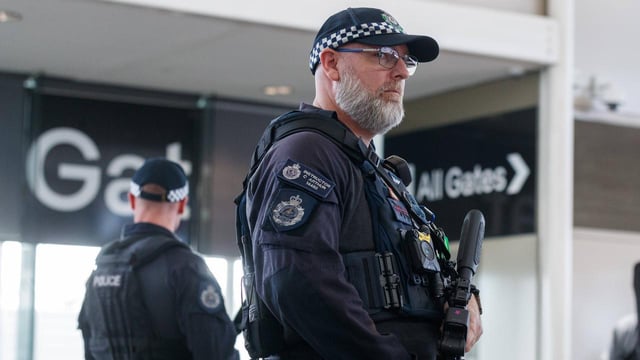
The international community has responded with concern and calls for strengthened protections for humanitarian workers. Governments and international bodies are likely to reassess their security measures and provide additional resources to safeguard their personnel. Increasing escort services, investing in technology to enhance communication, and implementing strict safety protocols may become priorities.
Furthermore, diplomatic efforts could intensify, with nations pushing for stronger agreements and treaties to protect humanitarian actors. Such measures would aim to reaffirm the neutrality of aid workers and hold accountable those responsible for violations.
Steps Towards Enhanced Security
- Enhancing training and support for workers deployed in conflict zones.
- Strengthening international legal frameworks to protect humanitarian aid operations.
- Fostering collaboration between governments and agencies to improve on-the-ground intelligence.
The plight of these injured American humanitarians highlights the growing complexities and risks associated with providing aid in conflict-ridden regions. As stakeholders work together to enhance security measures and ensure safe passage for aid workers, the resilience and dedication of those on the ground remain steadfast. Their efforts, often unseen and underappreciated, continue to bring hope and relief to countless lives despite the challenges they face.