 Kristina Vankova
Amidst mounting political instability and deteriorating security conditions, the U.S. government has issued an urgent advisory for all American citizens to vacate Venezuela. The decision comes as tensions in the South American nation escalate, posing an increasing risk to both locals and expatriates.
Escalating Political Turmoil
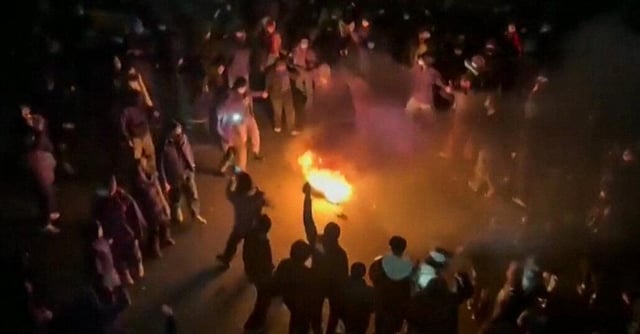
The political crisis in Venezuela has been simmering for years, with discontent among citizens reaching a boiling point. The economic collapse, exacerbated by hyperinflation and scarcity of basic necessities, has fueled widespread protests and violent clashes between demonstrators and government forces. As President Nicolás Maduro’s administration continues to consolidate power, accusations of human rights abuses and election rigging have intensified.
Amid this backdrop, the U.S. State Department has heightened travel warnings, advising against all travel to Venezuela. The current instability could severely hamper efforts to provide consular assistance to American citizens in need, thereby precipitating the heightened advisory.
Concerns Over Safety and Security
The security situation in Venezuela has drastically deteriorated. Reports of kidnappings, armed robberies, and violent crimes have surged, creating an unsafe environment for residents and visitors alike. Many neighborhoods in the capital, Caracas, are deemed excessively dangerous, even during daylight hours. The U.S. Embassy’s capacity to assist Americans in distress has been notably curtailed.
Power outages and disruptions to key infrastructure and services have further exacerbated the daily challenges faced by Venezuelans. These conditions are particularly concerning for U.S. citizens who may not be as accustomed to navigating such an unpredictable environment.
Impact on Diplomatic Relations
- Increased U.S.-Venezuela tensions
- Possible ramifications on diplomatic agreements
- Humanitarian concerns amid worsening conditions
The evacuation advisory also underscores strained diplomatic relations between the United States and Venezuela. As both nations grapple with a history of mutual suspicion and ideological opposition, the latest developments offer little hope for rapprochement. This could lead to further diplomatic isolation for Venezuela, while complicating potential international cooperation on resolving the current crisis.
Challenges for Remaining Expatriates and Locals
For those who choose or are compelled to remain in Venezuela, daily life presents significant challenges. Hyperinflation has rendered the local currency almost worthless, while the healthcare system teeters on the brink of collapse. Hospitals frequently deal with shortages of essential medicines and supplies, leaving individuals with few options for adequate treatment.
Additionally, the ongoing power struggles within the government have created an atmosphere of unpredictability. The potential for sudden changes in policy or further political upheaval continues to loom, adding to the anxiety of both locals and remaining expatriates.
Community and Economic Impact
- Businesses facing operational disruptions
- Community cohesion strained by shortages
- Economic challenges deepening societal divides
Local businesses face significant operational challenges as they navigate intermittent power outages and shortages of basic goods. Community cohesion is strained as people compete for limited resources, deepening societal divides. The economic challenges are not new, but they are intensifying under the weight of ongoing political discord.
As conditions in Venezuela continue to deteriorate across multiple fronts, the advisory for Americans to leave is both a cautionary measure and a reflection of the broader challenges facing the nation. The international community watches closely, hoping for a resolution that will restore stability and security to the beleaguered country.