 Kristina Vankova
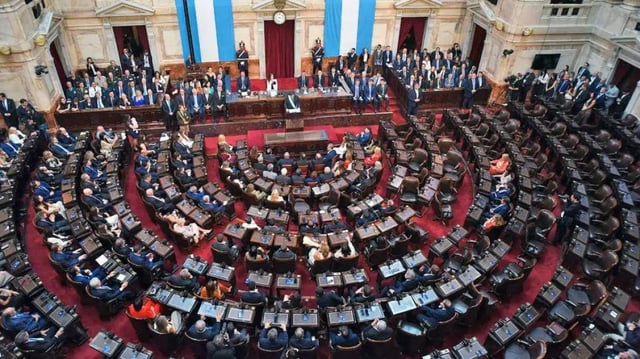
In the lead-up to Argentina’s 2025 election, the composition of the lower house of Congress is undergoing significant changes, highlighting ongoing challenges in gender representation. Despite efforts to address gender disparities, the representation of women in Argentina’s lower house has not seen the anticipated progress. This situation reflects broader issues within the nation’s political landscape, where gender equality initiatives face numerous hurdles.
Historical Context of Gender Representation in Argentina’s Politics
Argentina has a notable history of promoting women’s participation in politics. It was one of the first countries in Latin America to introduce gender quotas, mandating that a certain percentage of candidates on electoral lists be women. This move was instrumental in increasing female political representation. Over the years, these quotas led to more women holding positions in Congress, and the country witnessed a steady rise in female lawmakers.
However, despite the initial success of these quotas, the momentum has slowed. In recent years, the number of women in Argentina’s lower house has stagnated and, in some cases, even decreased. The 2025 election is unfolding in this challenging context, raising questions about the effectiveness of current policies and the political will to push for greater gender equality.
Challenges Facing Female Politicians in Argentina
Several factors contribute to the difficulties women face in achieving political equality in Argentina. These include entrenched cultural norms, political party dynamics, and systemic barriers that limit women’s access to power. Cultural attitudes that prioritize male leadership roles continue to influence voter perceptions and candidate selections. These societal views often make it harder for women to be seen as viable candidates for high-level positions.
Furthermore, political parties play a crucial role in candidate selection. Despite the existence of gender quotas, parties sometimes place female candidates in lower-ranking positions on electoral lists, reducing their chances of being elected. This practice, known as “list padding,” undermines the intent of gender quota laws.
Systemic Barriers to Gender Equality
- Political Resistance: Resistance within political parties often stymies progress. Male-dominated leadership structures can inhibit efforts to prioritize gender equality within party agendas.
- Societal Attitudes: Deeply ingrained stereotypes about gender roles continue to affect the political ambitions and perceptions of female candidates.
- Limited Resources: Women frequently face challenges in securing the financial resources necessary to conduct effective campaigns, limiting their competitiveness in elections.
Potential Paths Forward
To address these challenges, Argentina needs to evaluate and strengthen its approach to gender equality in politics. First, enforcing stricter compliance with gender quotas and addressing the practice of list padding can ensure more equitable representation. Additionally, the introduction of policies that support female candidates, such as funding opportunities and mentorship programs, could help level the playing field.
Beyond policy changes, a cultural shift is necessary. Encouraging the electorate to challenge stereotypes and embrace female leadership can create a more welcoming environment for women in politics. Educational campaigns aimed at highlighting the successes of female politicians and promoting gender equality could help shift public perceptions.
Moreover, the empowerment of women within political parties is crucial. Creating more inclusive party structures and fostering environments where women can rise through the ranks will contribute to lasting change. By prioritizing diversity and inclusion, political parties can pave the way for a more balanced representation in Argentina’s legislative bodies.
As Argentina approaches the 2025 election, the outcome will not only influence the nation’s governance but also signal the direction of gender politics in the region. The success of these efforts will depend on the collective action of politicians, parties, and citizens working towards a more equitable future.